News Summary
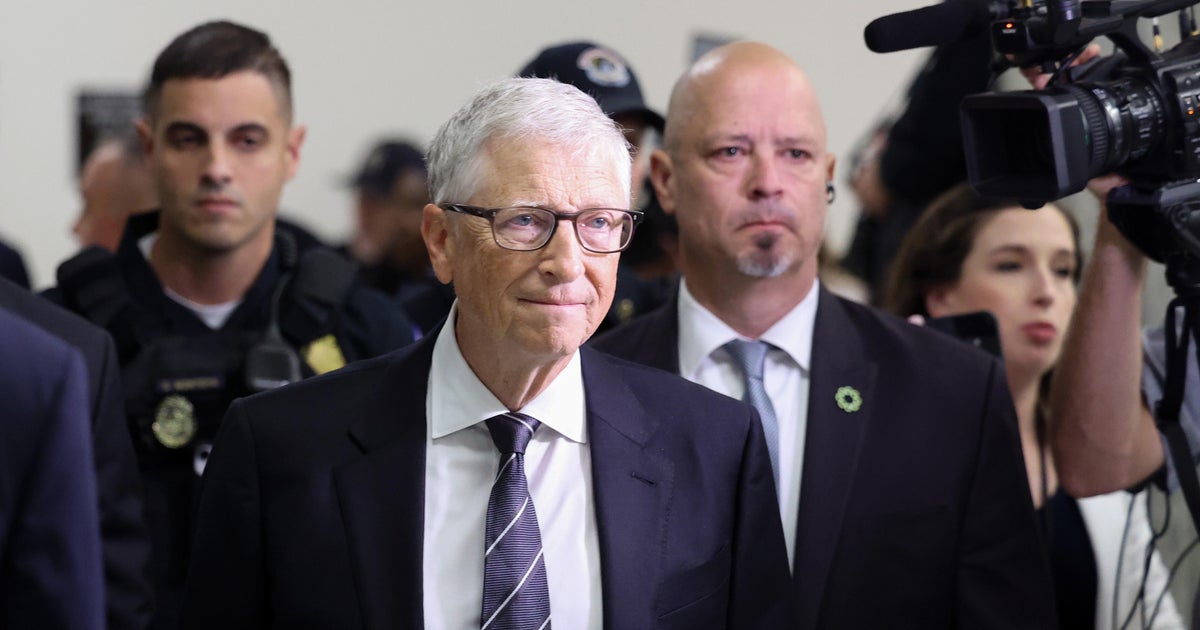
Bill Gates testified for nearly six hours before the House Oversight Committee on June 10; a transcript released June 24 details his account. Gates said he met Jeffrey Epstein beginning in 2011 through an adviser, Boris Nikolic, and last had contact with Epstein in 2015. Gates denied knowledge of Epstein’s ongoing criminal conduct, acknowledged awareness of Epstein’s prior legal trouble, and called his association a "grave error in judgment." He admitted to multiple extramarital affairs, apologized to Gates Foundation staff, and said emails indicate Epstein may have tried to leverage knowledge of those affairs to pressure him, though Gates said he was not blackmailed and that such efforts were unsuccessful. Gates said he did not pay Epstein and that discussions about charitable giving structures with Epstein went nowhere. The transcript shows Gates met Epstein roughly a dozen times, including visits to Epstein’s homes and travel on Epstein’s plane. Emails also show Epstein acted as an intermediary in a severance negotiation for Nikolic and requested reimbursements related to one of the women involved. Gates said he supports release of files and hopes his testimony helps victims. The committee has also interviewed other wealthy individuals with ties to Epstein and plans additional interviews.
Biblical Reflection
This reporting centers on testimony and documentary evidence rather than new criminal findings; it documents a prominent philanthropist acknowledging poor judgment, personal failings, and interactions with a convicted sex offender. The article is straightforward about what Gates said and what emails show, but readers should remember testimony is one person’s account and not the same as corroborated legal findings. From a Christian perspective, the story highlights dangers when influence, wealth, and secrecy intersect with moral compromise: powerful people can be tempted to rationalize relationships that harm others and families, and institutions can be slow to reckon with complicity. The piece rightly focuses on transparency and accountability; Christians should seek truth and justice for victims while holding leaders accountable, practicing mercy for genuine repentance, and refusing to minimize systemic harm. The article’s framing is largely factual; it does not explore in depth the broader institutional questions about how philanthropy and access to power are mediated, nor does it center survivors’ ongoing needs — areas Christians should notice and press for further attention.
Scripture in context
This outlook does not yet include contextual Scripture citations. Do not treat a general biblical theme as an exegetical conclusion.
Faithful Response
No prescribed response is offered. Consider the reflection prompts below in your own church context.
Reflection and Discussion
- 1How does society’s admiration for wealth and influence make it easier for moral compromises to go unchallenged?
- 2When powerful people acknowledge wrongdoing, how should we weigh repentance, accountability, and support for survivors in assessing their testimony?
- 3What institutional reforms would reduce the ability of harmful actors to leverage relationships for influence or cover-up?
Sources
Reporting links are evidence inputs; Sanctuary News' biblical reflection is commentary.
This outlook currently relies on fewer than two linked sources. Broaden verification before teaching from it.
- 1.Original reportprimary