News Summary
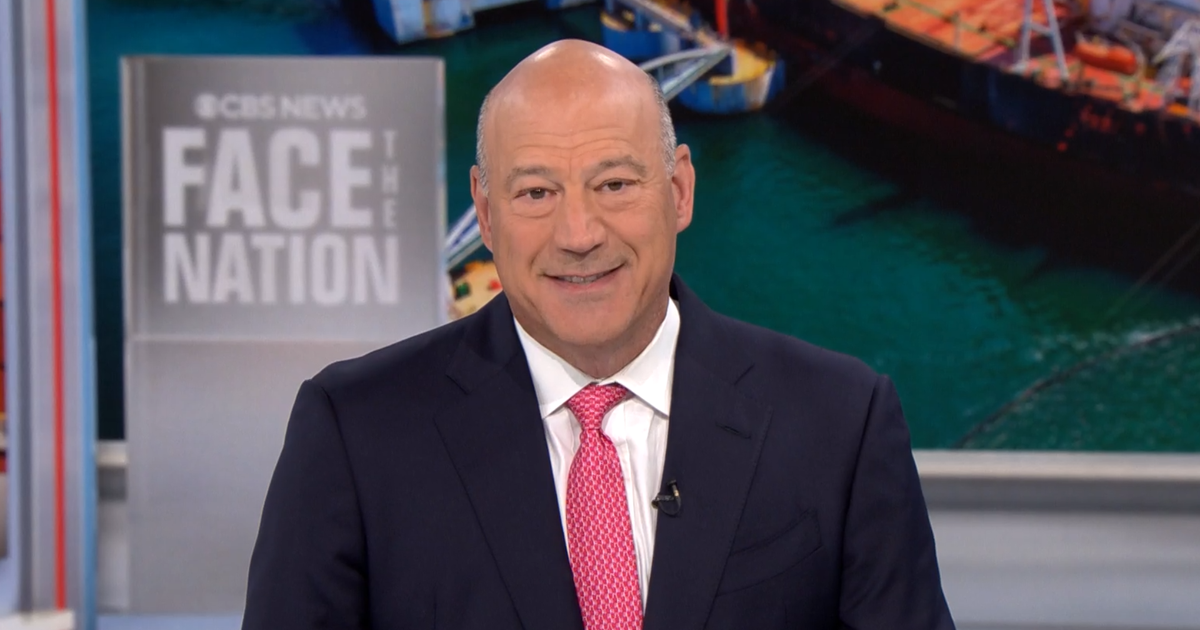
This is a transcript of a June 14, 2026 interview on CBS's Face the Nation with Gary Cohn. Cohn said reopening the Strait of Hormuz could take time and that oil and gasoline prices will not fall immediately but should decline as supply returns and market psychology changes. He noted energy costs feed through to groceries, manufacturing, and delivery, and that retailers may be slow to lower consumer prices even if energy costs fall. Cohn warned that commercial fuel inventories are low and that a security premium could keep oil prices higher than pre-war levels. On monetary policy, he said new Federal Reserve Chair Kevin Warsh will act independently and base decisions on economic data rather than political pressure, balancing higher inflation and a relatively strong job market. On technology, Cohn celebrated the recent large public market debut of SpaceX and broader U.S. entrepreneurial and engineering capacity; he argued historical technological advances have increased GDP and jobs over time and that modern tech companies combine intellectual property with asset-based operations that require people to build and operate assets.
Biblical Reflection
The interview presents mainstream, pro-market economic reasoning: energy supply disruptions raise prices and changing supply will ease them gradually; the Fed should and likely will prioritize data over politics; technological innovation spurs growth though distributional effects matter. Cohn’s claims are plausible but conditional — the timing and magnitude of price declines depend on how quickly supply is restored, inventory positions, and whether firms pass cost reductions to consumers. The piece assumes market mechanisms and corporate competition will correct prices and generate broad benefit; that worldview emphasizes optimism about innovation and market-driven solutions while downplaying short-term hardship and distributional concerns. A Christian reading affirms gratitude for human creativity and stewardship of gifts, yet should also test whether policy and business decisions protect the vulnerable: will falling wholesale energy prices reach low-income families, and will job gains from innovation be accessible to those at risk of displacement? Christians should prize truth-telling about uncertainty, advocate for humility from leaders (economic and corporate), and press for mercy toward those who bear short-term costs of geopolitical or technological change.
Scripture in context
This outlook does not yet include contextual Scripture citations. Do not treat a general biblical theme as an exegetical conclusion.
Faithful Response
No prescribed response is offered. Consider the reflection prompts below in your own church context.
Reflection and Discussion
- 1Whose welfare is assumed and whose is invisible when experts focus on aggregate growth and market psychology?
- 2Are we placing too much confidence in rapid market corrections instead of planning protections for those harmed by short-term price shocks or technological displacement?
- 3How does our praise for technological achievement include responsibility for fair distribution of its benefits?
Sources
Reporting links are evidence inputs; Sanctuary News' biblical reflection is commentary.
This outlook currently relies on fewer than two linked sources. Broaden verification before teaching from it.
- 1.Original reportprimary