News Summary
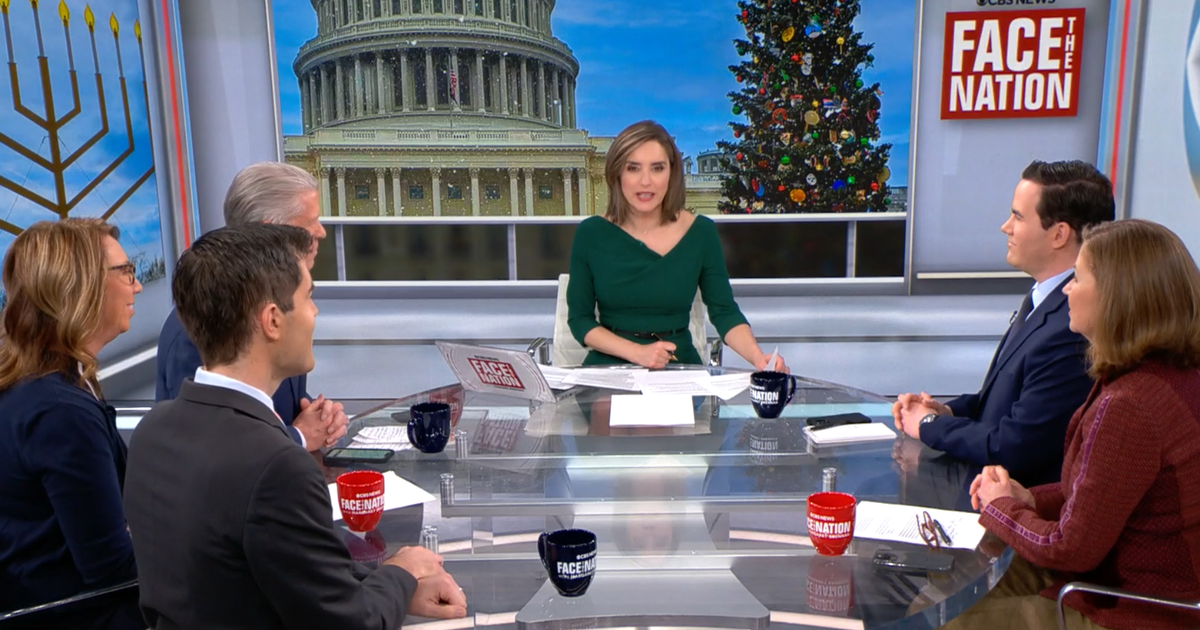
This episode of "Face the Nation with Margaret Brennan" offers an in-depth look at the end of 2025 and expectations for 2026 in the United States. The show features interviews with leading figures such as Brian Moynihan, CEO of Bank of America, and national security experts Chris Krebs and Samantha Vinograd, as well as a roundtable discussion with CBS News correspondents. Key themes include the state of the U.S. economy—highlighting persistent inflation, differences in economic experience across income brackets, housing affordability, and trade policy (especially tariffs and relations with China). The panel discusses the impact of recent immigration reforms, the role of the Federal Reserve, and ongoing debates about government regulation and the independence of financial institutions. On national security, the conversation focuses on the rapid advancement of artificial intelligence, its risks and opportunities, and the increasing threat landscape, including foreign cyberattacks, political violence, and the challenges of regulating new technologies. The roundtable further delves into the political climate, public opinion on the administration's handling of key issues, legal battles over executive power, the Supreme Court’s role, and emerging trends in American politics—including the rise of new political figures and movements.
Biblical Reflection
From a biblical perspective, this broadcast reveals both the complexities and the anxieties of modern governance and society. The focus on economic disparity, the struggles with affordability, and the plight of small businesses remind us of the scriptural call to seek justice and care for the poor (Proverbs 31:8-9). Discussions around immigration and the reduction of legal pathways for immigrants challenge us to remember the biblical exhortation to welcome the stranger (Leviticus 19:34, Matthew 25:35). The rise of political violence and the erosion of trust in institutions signal a society at risk of division and fear, which stands in contrast to Christ’s call to be peacemakers (Matthew 5:9) and to pursue truth, justice, and reconciliation. Meanwhile, the debates over technology, particularly artificial intelligence, and the need for wisdom and discernment in its use echo the biblical wisdom literature, urging humility and ethical responsibility in stewarding creation (James 1:5, Micah 6:8). The uncertainty and rapid change depicted in the article should prompt Christians to place their hope not in shifting political powers or economic forecasts, but in God’s unchanging justice and mercy. Ultimately, this news story challenges believers to pray for leaders, serve their neighbors, seek justice, and trust in God’s sovereignty amidst an unsettled world.
Scripture in context
This outlook does not yet include contextual Scripture citations. Do not treat a general biblical theme as an exegetical conclusion.
Faithful Response
No prescribed response is offered. Consider the reflection prompts below in your own church context.
Reflection and Discussion
- 1How do I respond, as a Christian, to economic and political changes that affect the most vulnerable in society?
- 2In what ways can I be a peacemaker and a source of truth in a society troubled by fear, division, and rapid technological change?
- 3Am I trusting more in political solutions or in God’s justice, mercy, and sovereignty during uncertain times?
Sources
Reporting links are evidence inputs; Sanctuary News' biblical reflection is commentary.
This outlook currently relies on fewer than two linked sources. Broaden verification before teaching from it.
- 1.Original reportprimary