News Summary
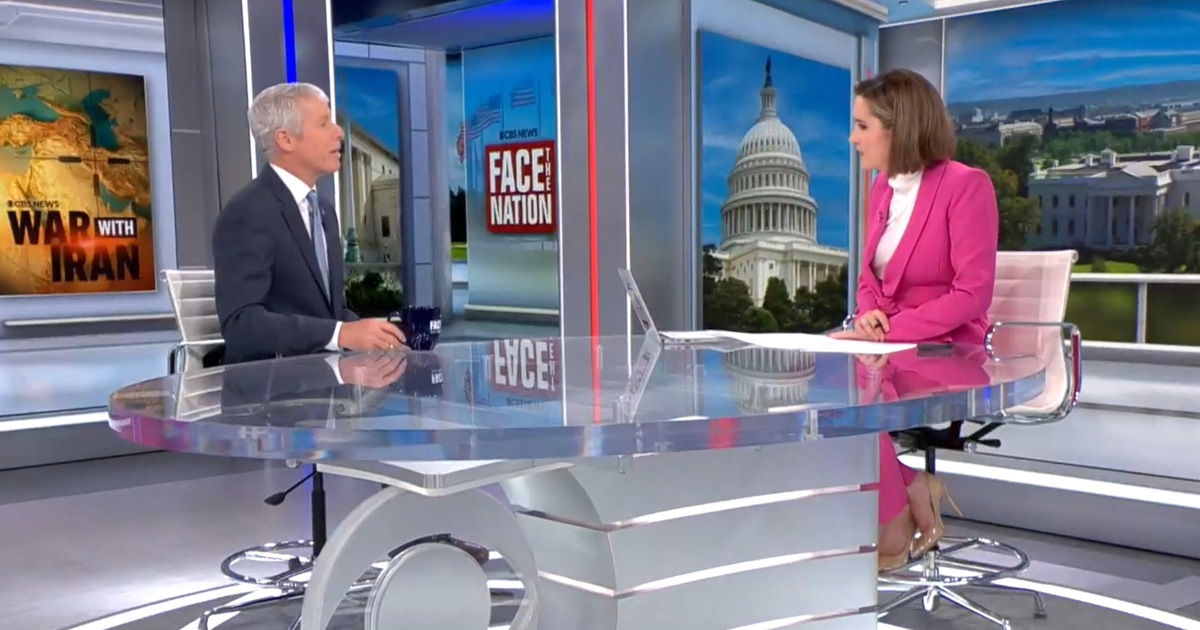
This is a full transcript of the May 10, 2026 broadcast of Face the Nation with Margaret Brennan. The program included: a preview of a 60 Minutes interview with Israeli Prime Minister Benjamin Netanyahu about continuing objectives related to Iran's nuclear material and proxies; an interview with Arizona Senator Mark Kelly on U.S. munitions depletion because of the war with Iran, his opposition to the administration's $1.5 trillion defense spending request, recent sanctions on entities (three based in China) tied to satellite imagery shared with Iran, and his pending First Amendment lawsuit regarding statements about illegal orders to service members; an interview with U.S. Energy Secretary Chris Wright on the status of a U.S. truce offer to Iran, plans for removing enriched uranium from Iran (noting Department of Energy expertise would be involved), the pause and potential resumption of 'Project Freedom' to reopen the Strait of Hormuz, effects on global energy markets and shipping, and economic measures targeting IRGC assets; a segment with former FDA Commissioner Dr. Scott Gottlieb on a hantavirus outbreak aboard a cruise ship (passengers disembarked in the Canary Islands; 17 Americans to be quarantined in Nebraska; public-health agencies assessing low overall risk), the ineffectiveness of ivermectin for hantavirus, and staffing and leadership issues at the FDA; a conversation with Representative Ted Lieu about recent redistricting rulings, Democratic prospects in the midterms, U.S. readiness and munitions shortfalls relevant to Taiwan and Indo-Pacific deterrence, and comments on AI oversight; and a report with Janti Soeripto (Save the Children U.S.) on humanitarian conditions in Sudan (mass displacement, sexual violence, logistics challenges) and how disruptions in shipping and higher transport costs tied to the Iran conflict are impeding delivery of aid. The program also noted developments such as the fragile cease-fire negotiations involving Iran, the blockade/harassment affecting Strait of Hormuz traffic, higher gas/energy prices, and state-level redistricting disputes.
Biblical Reflection
The broadcast brings together multiple national-security, humanitarian, and public-health threads that invite careful Christian discernment. Scripture calls Christians to pursue peace, protect the vulnerable, and seek wise stewardship of resources (both human and material). Several themes stand out: 1) the human cost of prolonged conflict — political and military narratives often focus on strategy, timelines, and capability, while the deepest harms fall on civilians, children, and aid operations; the Save the Children reporting underscores this moral priority. 2) the trade-offs of power politics — talk of military options, sanctions, and economic pressure is framed as necessary to prevent a greater evil (a nuclear-armed Iran), but Christians should ask whether the means honor truth, justice, and prudence and whether nonviolent paths have been fully pursued. 3) public trust and authority — discussions about depleted munitions, shifting policy labels (skirmish/war/terminated), and disputes over the FDA and public-health messages highlight how institutional credibility matters; Christians should weigh claims carefully and avoid partisan reflexes. 4) compassion in reporting — the program mixes geopolitical analysis with humanitarian updates; a Christian response emphasizes advocacy for relief, truthful reporting, and prayer for victims and policymakers. Potential biases in the coverage include partisan framing (assigning primary blame to one administration), militaristic shorthand (suggesting simple military fixes for complex nuclear and political problems), and a tendency to prioritize official sources over frontline civilian testimony. Evaluated against biblical truth: seeking national security is not unbiblical, but it must be pursued with humility, care for the innocent, and commitment to justice (Micah 6:8; Matthew 5:9). Christians should resist cynicism and fear-driven reactions while pressing for diplomacy, accountability, and humanitarian access.
Scripture in context
This outlook does not yet include contextual Scripture citations. Do not treat a general biblical theme as an exegetical conclusion.
Faithful Response
No prescribed response is offered. Consider the reflection prompts below in your own church context.
Reflection and Discussion
- 1Whose voices are centered in this coverage (officials, military leaders, aid workers, civilians), and how would the story read differently if the priorities of the most vulnerable were primary?
- 2Where does the reporting simplify complex problems into single narratives (e.g., military action as decisive vs. long-term diplomacy and reconstruction), and what assumptions does that simplification reveal?
- 3How should Christians weigh urgent security claims against the biblical call to protect the weak and pursue justice when policies cause or prolong humanitarian suffering?
Sources
Reporting links are evidence inputs; Sanctuary News' biblical reflection is commentary.
This outlook currently relies on fewer than two linked sources. Broaden verification before teaching from it.
- 1.Original reportprimary