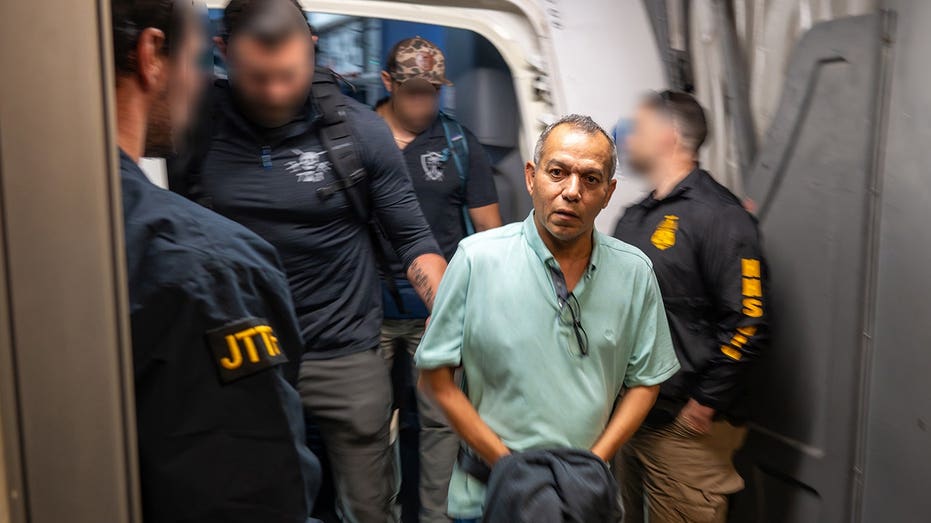
News Summary
Reported facts: The Fox News article states that Khalid Ahmed Satary allegedly billed Medicare $547 million for genetic tests deemed unnecessary and that he fled the country in 2022 before being arrested overseas by the FBI; the report calls this the third capture from the FBI's 'Most Wanted Fraudsters' list. Attributions and uncertainty: The report consistently uses the qualifier "allegedly" for the billing amount and the claim the tests were unnecessary; the article does not provide court filings, government press releases, Medicare billing records, or independent documentation within the supplied text to substantiate the dollar amount, the medical necessity determination, or the exact circumstances of the arrest.
Source and Framing Analysis
The supplied report is a single-item news story that emphasizes the headline monetary figure and the FBI’s capture. That framing highlights law-enforcement success and the scale of alleged fraud, which may lead readers to focus on criminality and spectacle. Material uncertainties that affect interpretation include the absence of cited primary evidence (indictment text, court filings, DOJ or FBI press release, Medicare audit reports) and limited detail about how the $547 million figure was calculated and who was directly harmed. Because only one news outlet is supplied, independent corroboration is lacking; the story's practical import is substantial but the evidentiary basis in the supplied material is thin.
Biblical Reflection
This report highlights two clear concerns for Christians: the exploitation of vulnerable people and the stewardship of shared resources. If the charges are true, elderly patients were harmed and public trust in a health system funded by taxpayers was violated. Christian ethics call us to defend and care for the weak and to pursue honest stewardship of communal goods. That requires both accountability when wrongdoing occurs and careful attention to due process so justice is measured and not merely performative.
At the same time, the article is short on publicly cited evidence beyond the prosecutorial allegation. A temperate Christian response holds both truth and mercy: we should pray for victims and for repentance and repair where harm is proven, while also resisting the rush to final judgment before courts have resolved the facts. We can also use stories like this to ask how our institutions and communities protect elders, how we cultivate fiscal integrity, and how our congregations support those who are victimized by fraud.
Finally, this case points to systemic realities—financial incentives, regulatory gaps, and the temptation to exploit trust—and calls Christians to advocate for reforms that prevent abuse, to offer pastoral care for victims, and to practice personal and communal vigilance in stewardship of resources entrusted to us.
Scripture in context
- 1Isaiah 1:17 (general context) — Isaiah addresses a community whose religious ritual has not been matched by just behavior; the prophet calls for learning to do right, defending the oppressed, and seeking justice for the fatherless and widow. — The passage frames faith as inseparable from justice toward the vulnerable; it calls Christians to notice and oppose systems and practices that exploit elders or public trust and to pursue remedies that restore dignity and fairness.
Faithful Response
Pray for victims, investigators, and all involved—seeking truth, healing, and repentance where appropriate.
Support and protect older adults in your congregation: educate about common scams, encourage cautious sharing of medical and financial information, and connect victims with legal/advocacy resources.
Advocate for accountability and better safeguards in public programs—contact representatives or community groups for systemic reforms to prevent similar fraud.
Reflection and Discussion
- 1How should the church balance a desire for swift accountability with the biblical call to refrain from hasty condemnation?
- 2What structures (in church and civic life) can we strengthen to reduce opportunities for elder exploitation?
- 3Where might our own community inadvertently enable the kind of greed or secrecy that allows large-scale fraud to go undetected?
Sources
Reporting links are evidence inputs; Sanctuary News' biblical reflection is commentary.
This outlook currently relies on fewer than two linked sources. Broaden verification before teaching from it.
- 1.FBI nabs alleged $547M Medicare fraud fugitive overseas, third capture from 'Most Wanted Fraudsters' listprimary_reporting