News Summary
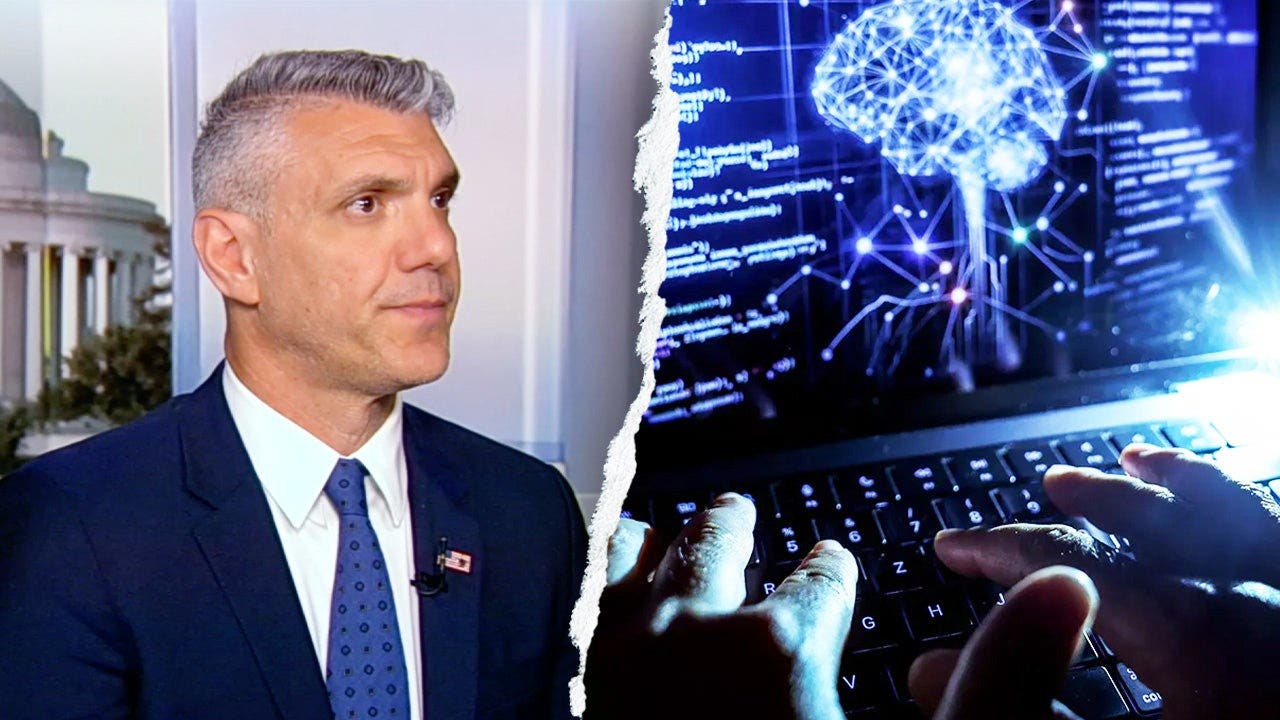
Facts reported: David Maimon of SentiLink testified before the House Oversight Committee’s Government Operations Subcommittee during a July 15, 2026 hearing titled “Emerging Fraud Threats and the Evolving Fraud Landscape.” Maimon said the federal government lacks adequate tools, policies, and deterrence to stop fraud. He described SentiLink intelligence about online markets where stolen identities and tutorials are traded and warned criminals are using AI to create fake documents, videos, and deepfakes to bypass identity verification and liveness checks. Attributions and uncertainty: Most assertions come from Maimon as reported by Fox News; the article does not provide independent data, government confirmation of the specific trends, nor detailed metrics on the prevalence or financial scale of AI-enabled fraud.
Source and Framing Analysis
Source role: Fox News is reporting on a congressional hearing and the testimony of a private‑sector expert; the piece primarily relays that expert’s perspective. Missing voices: the article does not include responses or data from federal agencies (e.g., HHS OIG, IRS, SSA), independent academic researchers, law‑enforcement leaders, victims, or other firms working on fraud detection. Incentives and framing: the story highlights a security‑and‑accountability frame that aligns with policy priorities (the cited 'War on Fraud') and with an audience concerned about government waste; it emphasizes private‑sector intelligence as the primary evidence source. Disputed claims and verification needs: the prevalence and scale of AI-enabled fraud, the specific mechanisms used to bypass particular verification systems, and the effectiveness of proposed technical remedies require independent verification and corroboration from government audits, law‑enforcement case files, or peer‑reviewed research.
Biblical Reflection
This article reports an expert’s warning that AI is amplifying criminal capabilities and that current public systems lag behind. The testimony raises a real prudential concern — technology lowers the marginal cost of creating convincing fakes — but the piece is primarily attribution of an expert’s claims rather than independent proof of scale. The framing emphasizes a security and accountability worldview (protect public funds, strengthen verification, incentivize deterrence) and privileges private‑sector intelligence as the key evidence base. From a Christian pastoral perspective, the report calls for sober stewardship of public resources, compassion for victims whose benefits are lost to fraud, and humility about technological hubris. Christians should resist simplistic fear or partisan certitude: demand facts, support cooperative remedies, and insist reforms protect the vulnerable while upholding justice. We should advocate for transparency, lawful enforcement, and moral restraint in deploying technologies that can harm neighbors.
Scripture in context
- 1Proverbs 11:1 — In its literary context Proverbs contrasts honest behavior with corrupt gain; the verse belongs to a wisdom tradition instructing leaders and individuals to value fairness in commerce and social dealings. — Applied here the passage urges systems and people to pursue honest measures, resist deceit, and create safeguards that prevent dishonest gains at the expense of the vulnerable.
Faithful Response
Educate yourself about basic data protection practices (strong passwords, careful sharing of personal information) and encourage family members—especially elders—to adopt them.
Pray for victims of fraud and support local organizations that help people recover financially and emotionally.
Advocate for transparent, accountable public spending and for independent audits that track fraud and recovery so policymaking is evidence‑based.
Hold private vendors and public agencies to cooperative standards that protect privacy while enabling lawful fraud detection.
Reflection and Discussion
- 1What independent data would you look for to evaluate the scale and growth of AI‑enabled fraud?
- 2How might an emphasis on security risk harming privacy, charity, or access to services for the vulnerable, and how should policymakers weigh those tradeoffs?
- 3Whom should journalists quote beyond private‑sector experts to give a fuller picture of systemic fraud risks and remedies?
Sources
Reporting links are evidence inputs; Sanctuary News' biblical reflection is commentary.
This outlook currently relies on fewer than two linked sources. Broaden verification before teaching from it.
- 1.Fraud expert warns AI is helping criminals outpace the government: 'Don't have the right tools'primary_reporting