News Summary
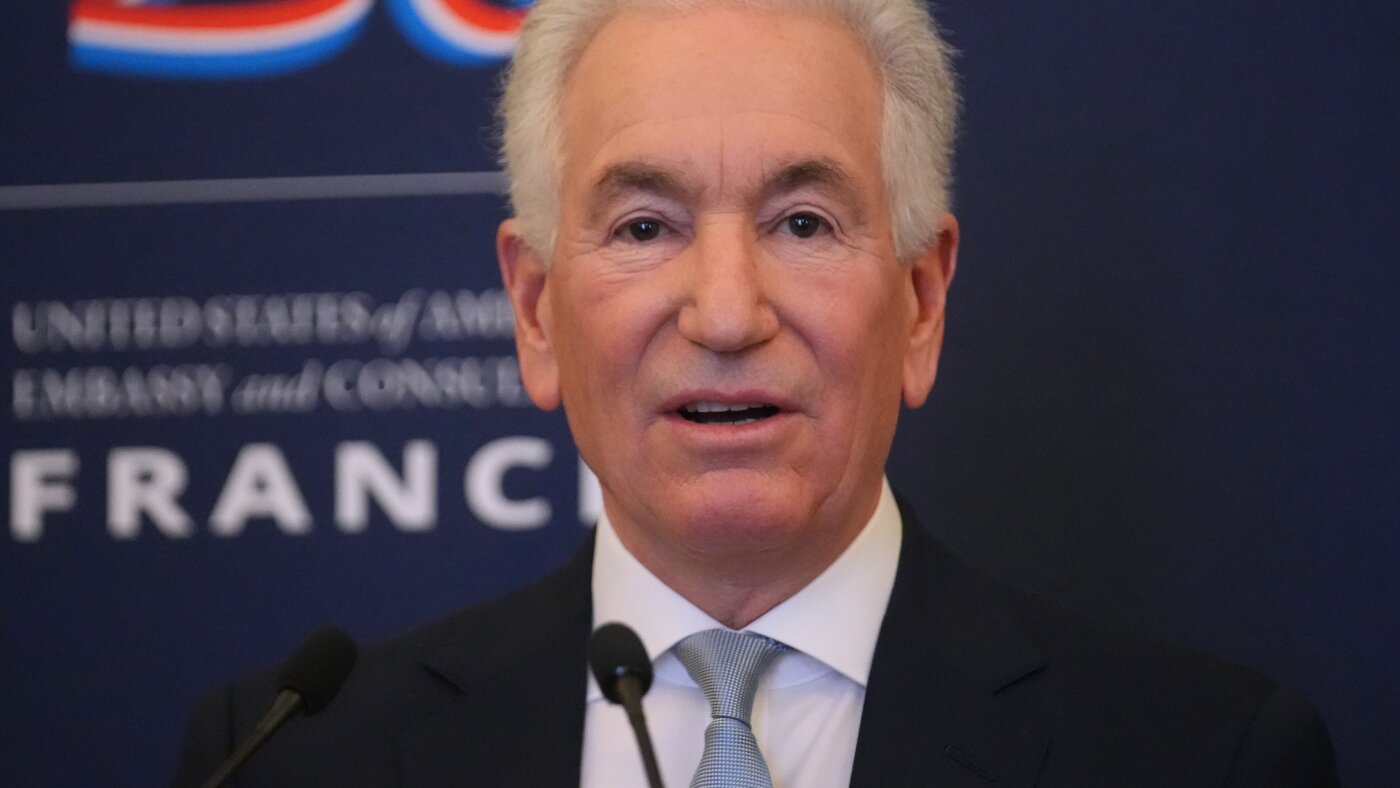
France's foreign affairs minister has restricted U.S. Ambassador Charles Kushner's direct access to French government officials after he failed to attend a meeting regarding recent U.S. statements about the death of Quentin Deranque, a far-right activist. Deranque died after being beaten during a politically charged altercation in Lyon. The U.S. State Department had commented on social media about the killing, emphasizing rising left-wing violence, prompting French authorities to summon Kushner for a discussion. The French minister criticized the politicization of the tragedy and expressed disapproval of outside interference in French affairs. This event further strains U.S.-France diplomatic relations, which have already experienced friction over accusations regarding France's handling of antisemitism.
Biblical Reflection
From a scriptural perspective, this situation highlights several biblical concerns. Firstly, the politicization of violence and tragedy for national or political gain stands in contrast to the biblical call to mourn with those who mourn (Romans 12:15) and to pursue peace (Matthew 5:9). The failure to communicate directly and respectfully, as seen in the ambassador's absence, also conflicts with the biblical principle of striving for reconciliation and open dialogue (Matthew 18:15-17). Furthermore, the tension between nations reminds us of the biblical warnings about pride and the need for humility in leadership (Proverbs 16:18). The Christian response should be one of seeking truth, justice, and reconciliation—eschewing divisive rhetoric and advocating for honest, peacemaking engagement between peoples and governments. Ultimately, the incident reveals the fragility of international trust and the importance of ethical conduct, humility, and empathy in positions of power.
Scripture in context
This outlook does not yet include contextual Scripture citations. Do not treat a general biblical theme as an exegetical conclusion.
Faithful Response
No prescribed response is offered. Consider the reflection prompts below in your own church context.
Reflection and Discussion
- 1How can I promote peace and understanding in my own conversations and relationships, especially when conflicts arise?
- 2Do I ever use the pain or tragedy of others to advance my own opinions or agendas, rather than responding with compassion?
- 3What does it look like to practice humility and reconciliation in a world often marked by pride and division?
Sources
Reporting links are evidence inputs; Sanctuary News' biblical reflection is commentary.
This outlook currently relies on fewer than two linked sources. Broaden verification before teaching from it.
- 1.Original reportprimary