News Summary
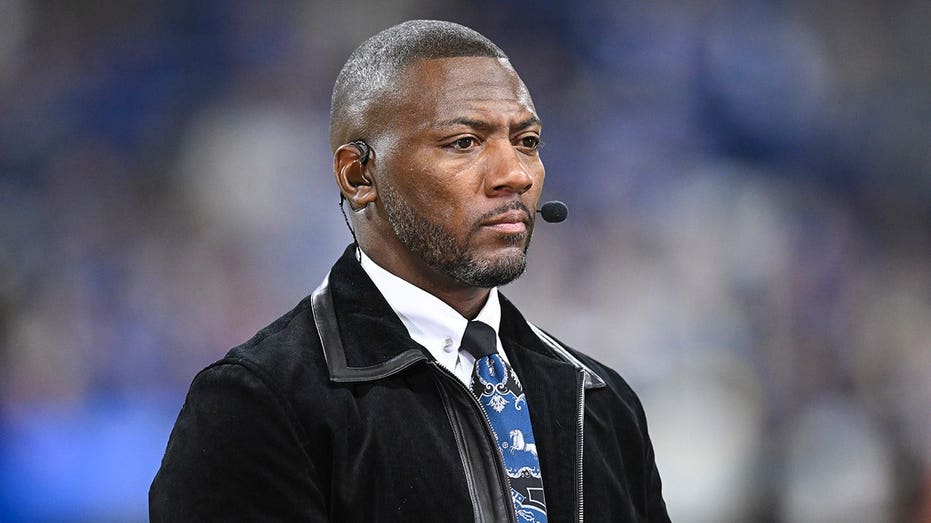
Reported facts: Fox News published an opinion-style roundup listing seven controversial comments or positions attributed to former ESPN analyst Ryan Clark. The article names specific examples, including Clark allegedly making racial claims about Shedeur Sanders' draft prospects and calling Kyren Lacy "innocent." Attributed claims: The article characterizes these moments as among Clark's "worst and most ridiculous" during his ESPN tenure and presents them as evidence of his troubles at the network. Uncertainty: The supplied article text does not include full transcripts, dates, or broader context for each cited moment, nor independent corroboration within the supplied source package.
Source and Framing Analysis
The piece is a curated, editorial compilation: its headline and language are evaluative and intended to persuade readers that Clark's comments were unacceptable. Selection bias is likely—choosing seven moments to fit the argument—so context for each incident (timing, Clark's fuller comments, responses from those involved, ESPN's reaction) is missing. The single supplied source is the Fox News article itself; no primary transcripts or multi-source corroboration are provided in the package.
Biblical Reflection
The article centers on media accountability and the cultural power of public commentary. Christian discernment calls us to test both the facts and the spirit of public speech: verify what was actually said and consider the effects words have on real people, especially those from vulnerable or marginalized communities. When a commentator makes claims that touch on race or personal character, truth-seeking requires examining evidence and context rather than accepting rhetorical judgments at face value.
At the same time, the New Testament emphasizes both truth and mercy. Public figures who make harmful statements should be held accountable, but accountability pursued vindictively or for entertainment undermines genuine repentance and restoration. Christians should resist schadenfreude when people fall and instead press for accountability that aims toward correction and reconciliation.
Finally, this story is a practical prompt about our own speech. If Christians contribute to public conversation — online or in community — we should model careful, measured language: checking facts before amplifying claims, avoiding caricature, and speaking with the twin aims of justice and restoration. Where injustice or falsehood is exposed, pursue truth; where individuals are genuinely remorseful, encourage repair.
Scripture in context
- 1Ephesians 4:29 — In a letter to the Ephesian church, Paul instructs believers on interpersonal conduct after describing what their new life in Christ entails; this verse appears in a section urging wholesome, constructive speech among the community. — This passage addresses how Christians should use speech to build up rather than tear down; it warns against corrupt or harmful talk and supports measured, truthful public discourse.
- 2Matthew 7:1-5 — In the Sermon on the Mount, Jesus warns against hypocritical judgment, teaching his followers to examine themselves before condemning others and to remove the log from their own eye before addressing a speck in another's. — Applied to media controversies, this passage cautions Christians to avoid self-righteous condemnation and to practice humility when evaluating public figures' faults.
- 3James 1:19 — James advises early Christian communities on practical wisdom for living under trials and in relation to one another; this verse introduces an exhortation to be quick to listen and slow to anger. — The verse undergirds a posture of careful listening and deliberation before reacting to controversial speech, especially in fast-moving media environments.
Faithful Response
Verify primary sources (video or transcript) before forming or sharing strong judgments about a commentator's words.
Pray for those harmed by public speech and for the speaker to repent and make amends if warranted.
Model constructive conversation: correct falsehoods with evidence, express disagreement without personal attacks, and seek restorative outcomes when possible.
When discussing such stories in church or community, emphasize humility, compassion, and the pursuit of truth rather than celebration of public shaming.
Reflection and Discussion
- 1How can I test whether the outrage I feel about a media incident rests on verified facts or on editorial selection and rhetoric?
- 2In what ways should the pursuit of justice shape our response to harmful speech, and when does pursuit of retribution undermine that justice?
- 3How might we, as a Christian community, practice restorative correction toward public figures and victims rather than simply amplifying scandal?
Sources
Reporting links are evidence inputs; Sanctuary News' biblical reflection is commentary.
This outlook currently relies on fewer than two linked sources. Broaden verification before teaching from it.
- 1.A look at 7 of the worst and most ridiculous takes from Ryan Clark during his time at ESPNprimary_reporting