News Summary
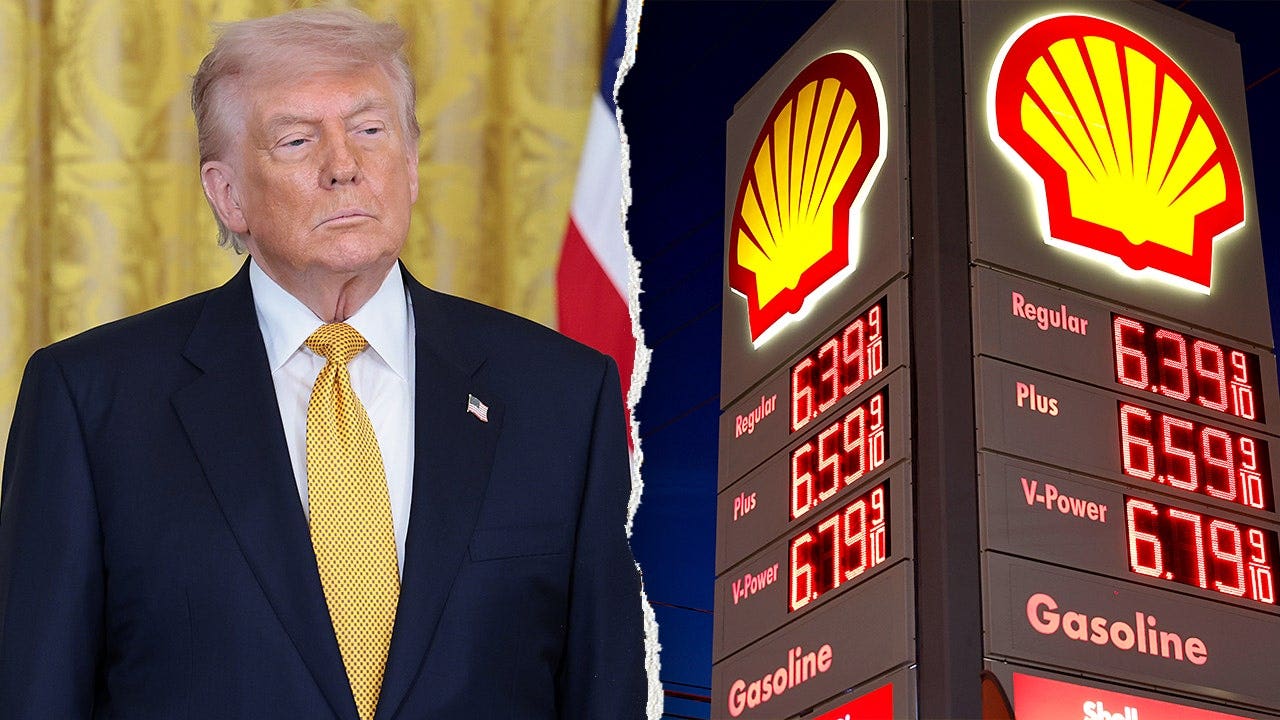
A Fox News poll conducted June 12–15, 2026 of 1,002 registered voters (±3 percentage points) finds widespread economic pessimism ahead of the midterm elections. Key results: 12% say they are getting ahead financially; 44% say they are falling behind; 59% feel pessimistic about the economy; 26% rate the economy positively while about 73% rate it negatively. Thirty-seven percent are satisfied with the country’s direction. President Donald Trump’s approval stands at 39%, unchanged from the prior month and down 7 points from last June. On economic beneficiaries, 20% say Trump’s policies benefit everyone, 54% say they help people with more money, and 15% say they help no one. Partisan splits are wide: majorities of Democrats report pessimism and negative ratings, while many Republicans report positive ratings and optimism. Approval for Trump’s handling of gas prices is 23% overall. Immigration approval is 43%, and 51% say immigration enforcement has gone too far; a majority (53%) now favors local control over immigration enforcement compared with 46% favoring required cooperation with ICE. Trust in the federal government is 25%. The poll notes sampling and weighting methods and was implemented via live interviews and online follow-ups.
Biblical Reflection
This poll documents real anxiety and political polarization. As data, it shows how many voters perceive their financial situation and how those perceptions correlate with party identity and views of leadership. The piece’s focus on approval scores and partisan breakdowns frames the economy as a political barometer ahead of midterms; readers should remember that polls measure opinion at a moment in time and can be shaped by question order, timing, and media narratives. Spiritually, persistent economic worry and low trust in government reveal needs — material, relational, and moral — that Christian communities are called to address. Christians should resist letting political loyalty obscure facts or compassion: evaluate claims honestly, care for neighbors under financial strain, and hold leaders accountable with both truth and mercy. Beware of simplistic causal narratives (e.g., “X policy alone caused this mood”); look instead for where policies, markets, and human hardship intersect. Finally, the polarization reflected here calls the church to model humility, seek common good, and prioritize the welfare of the vulnerable over partisan victory.
Scripture in context
This outlook does not yet include contextual Scripture citations. Do not treat a general biblical theme as an exegetical conclusion.
Faithful Response
No prescribed response is offered. Consider the reflection prompts below in your own church context.
Reflection and Discussion
- 1How might question wording, timing, and media framing shape public perceptions reported in this poll versus objective economic measures?
- 2Where do partisan lenses influence your reading of economic data, and how can you test those assumptions against evidence and concern for the vulnerable?
- 3What practical steps can Christian communities take to address the material anxieties behind these numbers while maintaining truthful public engagement?
Sources
Reporting links are evidence inputs; Sanctuary News' biblical reflection is commentary.
This outlook currently relies on fewer than two linked sources. Broaden verification before teaching from it.
- 1.Original reportprimary