News Summary
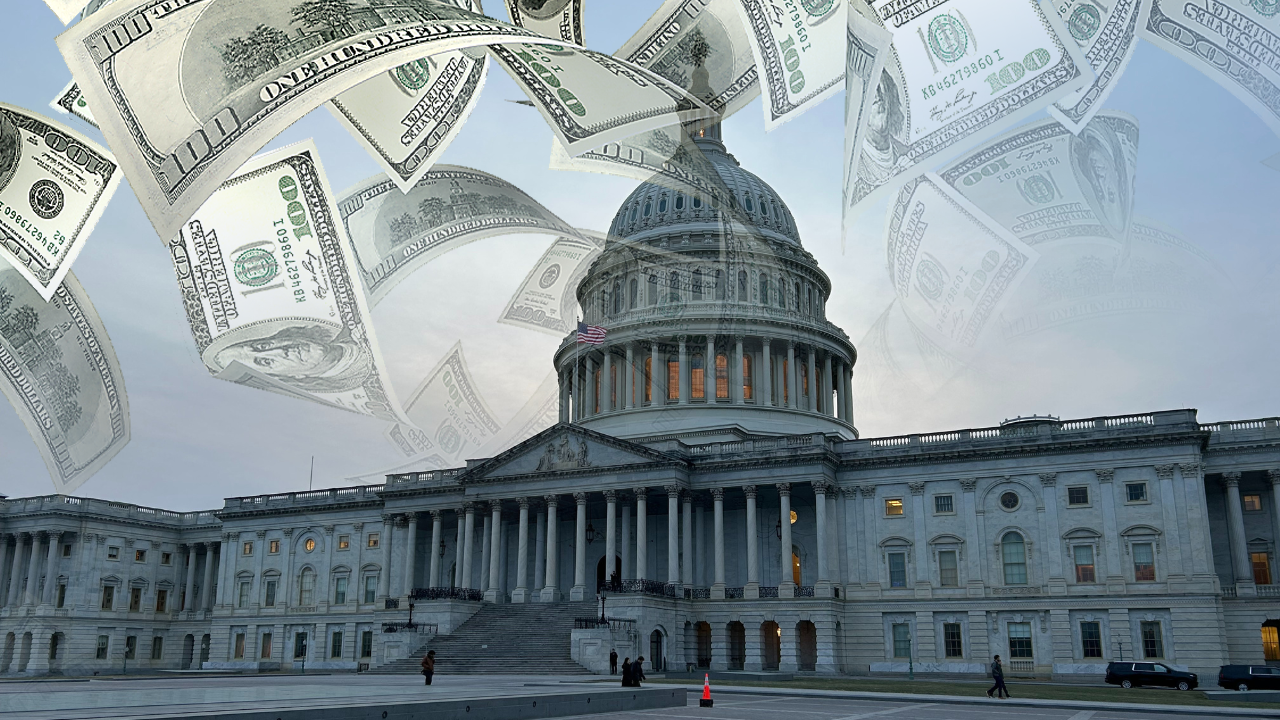
This is an opinion column (Fox News, Ted Jenkin) arguing that the United States has reached $39 trillion in national debt. The author warns interest payments now exceed $1 trillion annually and projects debt could reach $50 trillion by 2030 (a stated prediction, not an official estimate). The piece asserts the country faces a debt-sustainability problem rather than a mere policy debate, lists three commonly offered remedies it calls myths (relying on growth, taxing the wealthy, and cutting waste), and identifies entitlements and rising interest as the primary fiscal drivers. The author warns of possible consequences including credit-rating downgrades, reduced foreign demand for Treasuries, higher yields, crowding out of other spending, inflationary dilution of the dollar, and higher taxes or payroll-style levies in the future. The article frames the situation as urgent and calls for significant policy changes, while labeling current political narratives as insufficient. It is commentary and contains assertions, predictions, and judgement about fiscal policy rather than impartial reporting.
Biblical Reflection
A faithful Christian response should treat the core concern—responsible stewardship of public resources—as legitimate. Scripture calls leaders and communities to count costs, plan responsibly, and avoid reckless indebtedness; public debt that threatens basic goods and long-term stability is a real moral and practical issue. At the same time, this piece is opinionated and uses vivid rhetoric and projections (e.g., $50 trillion by 2030, inevitability of dollar dilution) that are speculative rather than demonstrated facts. Readers should note the author’s assumptions: that downgrade and dilution are likely outcomes, and that policy options will inevitably narrow to tax increases and benefit cuts. Those claims deserve scrutiny and comparison with independent fiscal analysis. The article largely emphasizes scarcity, risk, and individual-level consequences (savings and purchasing power) and leans toward alarm to press for policy change; it gives little space to competing views about targeted investments, revenue choices, or protections for the vulnerable. Biblically, Christians should oppose irresponsible borrowing and demand honest accounting and wise governance (justice for the poor, care for the vulnerable, and prudence in policy). At the same time we should avoid panic and politicized fear: apply discernment (test claims, check sources and forecasts), advocate for policies that balance stewardship with compassion, and practice personal financial prudence without surrendering hope or turning to cynical fatalism.
Scripture in context
This outlook does not yet include contextual Scripture citations. Do not treat a general biblical theme as an exegetical conclusion.
Faithful Response
No prescribed response is offered. Consider the reflection prompts below in your own church context.
Reflection and Discussion
- 1What assumptions underlie the author’s predictions (e.g., about interest rates, foreign demand for Treasuries, political choices), and how certain are those assumptions?
- 2Does the article treat fiscal stewardship and care for vulnerable populations as compatible goals, or does it present them as mutually exclusive?
- 3How might Christians evaluate proposed solutions (taxes, spending cuts, entitlement reform, growth strategies) through the twin lenses of prudence and justice?
Sources
Reporting links are evidence inputs; Sanctuary News' biblical reflection is commentary.
This outlook currently relies on fewer than two linked sources. Broaden verification before teaching from it.
- 1.Original reportprimary