News Summary
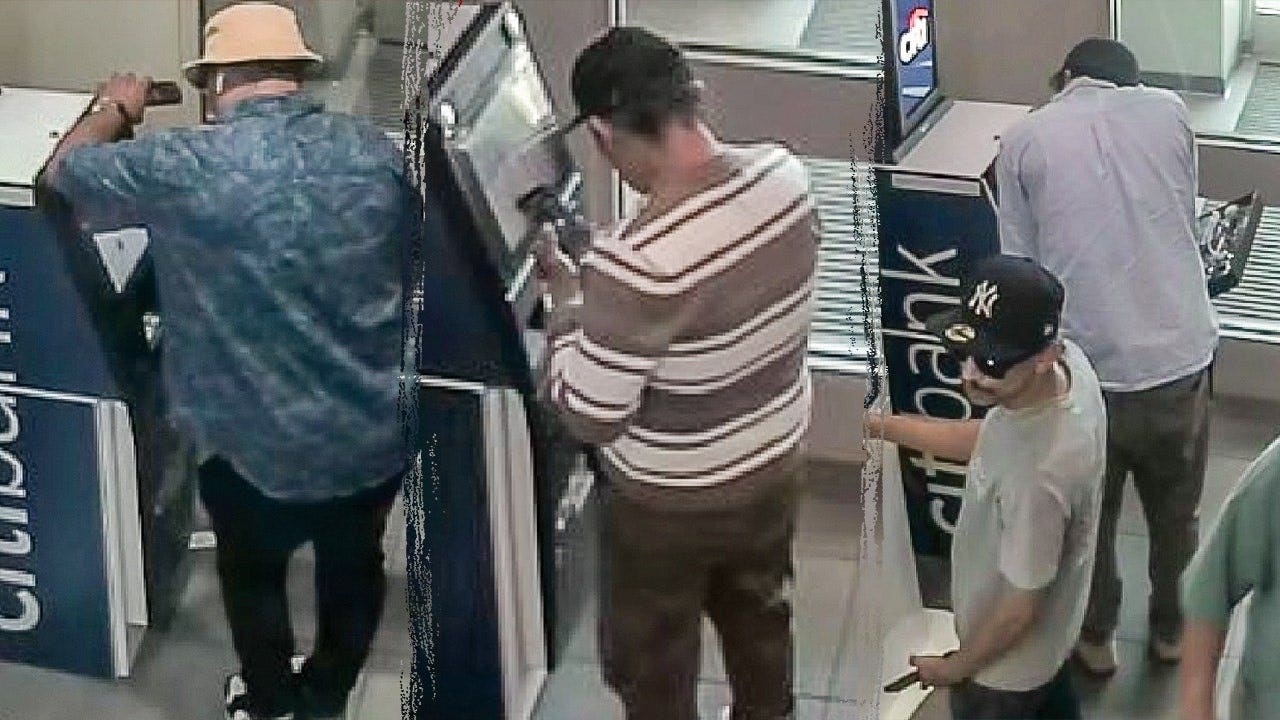
Federal prosecutors say four Venezuelan nationals were arrested June 25 and charged with interstate transportation of stolen property and conspiracy after an alleged ATM "jackpotting" scheme in Connecticut. Authorities allege the crew used specialized hardware and malware to force ATMs at I-95 rest stops and other Connecticut locations to dispense cash between Aug. 8 and Aug. 18, 2025, taking more than $529,000 in under two weeks. The defendants named in the complaint are Euclides Moreno Itanare (28, Raleigh), Willian Ricardo Flores (49, Bronx), Alberto Jose Freites Arvilla (41, Queens), and Luis Jose Freites Arvilla (38, Lynn); all are identified as Venezuelan citizens. Prosecutors say the suspects opened ATM hoods, accessed internal components, used cards and PINs to dispense cash, and repeatedly returned—sometimes in different clothing—while others acted as lookouts. Investigators relied on surveillance footage, phone records, Google and Apple account records, and photos allegedly recovered from devices; one device allegedly contained images of ATMs, cash, and suspects counting money. One attempted theft was stopped by a software patch at a Cumberland Farms ATM. If convicted, the charges carry up to 10 years (stolen-property) and up to five years (conspiracy) in federal prison; the FBI and multiple local police departments are investigating whether the group is tied to other incidents. The report notes a broader rise in ATM jackpotting incidents nationwide, with federal data citing many incidents and significant losses in 2025.
Biblical Reflection
The article reports a clear criminal allegation involving technical means and organized action; Christians should attend both to the facts (these are prosecutorial allegations, not convictions) and to the pastoral dimensions. The piece leans on law-enforcement sources and highlights nationality, which can inform readers but also risks feeding simplistic or xenophobic reactions if not read carefully. Biblically, we are called to uphold justice—supporting investigation and accountability for theft that harms neighbors and institutions—while also resisting dehumanizing language about people who are accused. The technical element (malware/hardware exploiting ATMs) points to real vulnerabilities that affect public safety and trust; Christians concerned with the common good should advocate for stronger security and care for victims. At the same time, mercy and humility counsel us to avoid turning allegations into final judgments, to pray for truthful outcomes, and to remember that criminal behavior often has wider social causes. Finally, the article’s framing (emphasis on nationality and dramatic sums) invites discernment about what details shape fear or anger rather than constructive response.
Scripture in context
This outlook does not yet include contextual Scripture citations. Do not treat a general biblical theme as an exegetical conclusion.
Faithful Response
No prescribed response is offered. Consider the reflection prompts below in your own church context.
Reflection and Discussion
- 1Am I reading the story as settled fact or as allegations still to be adjudicated in court?
- 2Does the article’s emphasis on nationality shape my emotional response more than the facts of the alleged crime?
- 3How can Christians respond so that victims are cared for, wrongdoing is rightly prosecuted, and accused persons are treated with dignity?
Sources
Reporting links are evidence inputs; Sanctuary News' biblical reflection is commentary.
This outlook currently relies on fewer than two linked sources. Broaden verification before teaching from it.
- 1.Original reportprimary