News Summary
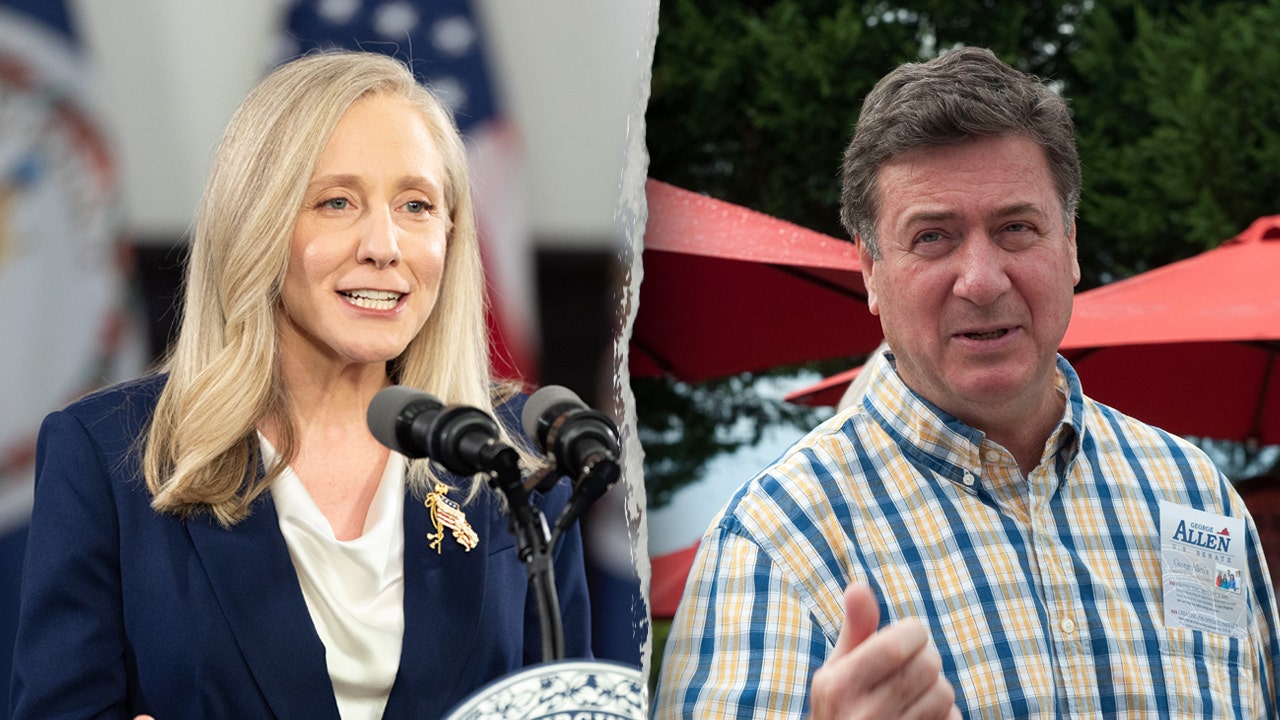
Former Virginia Governor George Allen publicly invited current Governor Abigail Spanberger to participate in televised debates about the April 21, 2026 public referendum to adopt new congressional maps for Virginia. Spanberger and Virginia Democratic legislative leaders have urged voters to vote YES on the referendum, which supporters say redraws the state’s congressional districts; some analysts and opponents argue the proposed maps would substantially reduce Republican representation. Allen, who is involved with a bipartisan group called No Gerrymandering Virginia, sent a letter requesting a live debate and said Virginians deserve a transparent discussion; the group’s advisory council includes several former state officials. Allen and other former Virginia Republicans (including ex-Gov. Glenn Youngkin and ex-Attorney General Jason Miyares) have characterized the effort as mid‑decade gerrymandering and criticized political advertising around the vote. Spanberger has defended the referendum in public statements, describing the proposed maps as temporary while saying she still supports the 2020 constitutional amendment that changed Virginia’s redistricting process. Fox News Digital sought comment from Spanberger’s office.
Biblical Reflection
This story centers on contested processes of political representation and public accountability. Christians should welcome transparent, evidence-based public debate about how electoral maps are drawn, because fair representation shapes how communities’ voices are heard in governance. At the same time, political battles over maps often carry strong partisan incentives; claims about intent or effect (e.g., that maps will remove most GOP members) should be tested against independent analyses and court findings rather than accepted as rhetoric. The invitation to debate is constructive if pursued in good faith — it models openness and accountability — but it can also be a strategic move to shift public perception. Scripture commends honesty, just weights, and caring for the vulnerable (which includes ensuring just representation). Christians engaging this issue should therefore evaluate competing claims for accuracy, resist partisan demonizing, and prioritize truth and fairness over scoring political points. From a worldview perspective, the story exposes common public tendencies: equating civic success with partisan advantage, relying on emotionally framed messaging, and elevating winners’ narratives. A biblical approach calls for discerning whether processes and outcomes promote justice, protect the common good, and preserve honest discourse.
Scripture in context
This outlook does not yet include contextual Scripture citations. Do not treat a general biblical theme as an exegetical conclusion.
Faithful Response
No prescribed response is offered. Consider the reflection prompts below in your own church context.
Reflection and Discussion
- 1What specific evidence or independent analysis supports the competing claims about how the proposed maps would change representation in Virginia?
- 2Is the public call for a televised debate motivated primarily by a desire for transparent civic education or by a strategic aim to shape voter perception? How can you tell?
- 3How should Christian convictions about justice and truth shape our evaluation of political processes like redistricting, especially when they are framed in strongly partisan terms?
Sources
Reporting links are evidence inputs; Sanctuary News' biblical reflection is commentary.
This outlook currently relies on fewer than two linked sources. Broaden verification before teaching from it.
- 1.Original reportprimary