News Summary
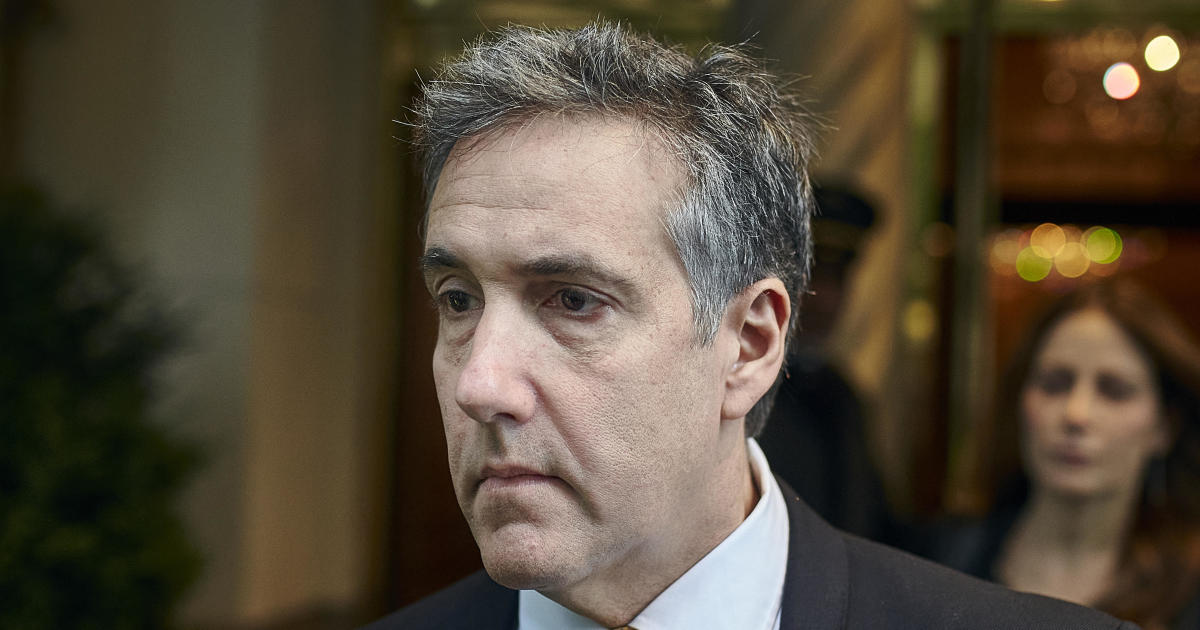
Michael Cohen, a former lawyer for Donald Trump who later became a critic and served prison time after guilty pleas to federal charges, told CBS News he plans to apply for relief from the Justice Department's newly announced "anti-weaponization fund." Cohen said he is drafting a letter to submit and believes the legal harms he suffered are similar to those described by Trump in the lawsuit that led to the fund. The $1.776 billion fund was created as part of a settlement between President Trump and the Justice Department resolving a lawsuit over leaked tax returns. The DOJ says there are no partisan requirements to file a claim and that awards will be decided by a five-person panel appointed by the attorney general. Cohen has argued that politically motivated law-enforcement tactics and selective prosecution damaged his career, family life, and finances. He previously pleaded guilty to campaign-finance violations and to lying to Congress, and later testified in a New York trial that resulted in a conviction of Trump on state charges related to business-records falsification. Other individuals, including some Trump allies and Jan. 6 defendants, have signaled interest in applying for the fund. The fund has drawn criticism from both parties and ethics groups, who have called it self-dealing, while the DOJ defends it as a remedy for years of alleged weaponization.
Biblical Reflection
From a Christian perspective, this story raises questions about justice, impartiality, motive, and restoration. The announced fund attempts to address claims of government "weaponization," but its origin—part of a settlement involving the sitting president—creates obvious risks of perceived or actual conflicts of interest and of partisan framing. Michael Cohen’s decision to apply is understandable if he believes he was wrongly harmed; Christians should recognize the human desire for vindication and restoration. At the same time, Cohen’s past criminal convictions and his long, shifting relationship with Trump complicate simplistic readings of victimhood. Media coverage and political responses are likely to emphasize partisan narratives that confirm prior loyalties or antagonisms rather than neutrally assess facts. Biblically, God calls his people to seek justice and mercy together with humility (Micah 6:8). That means pressing for fair, transparent procedures rather than celebrating political payback or assuming every claimant is purely right or purely wrong. As you read reports, pay attention to institutional design (who decides awards, what standards are applied), the evidence offered by claimants, and the broader pattern of political incentives. Pray for impartial institutions, true repentance where wrongdoing occurred, and mercy for people harmed by both legitimate law enforcement mistakes and by abuse of power.
Scripture in context
This outlook does not yet include contextual Scripture citations. Do not treat a general biblical theme as an exegetical conclusion.
Faithful Response
No prescribed response is offered. Consider the reflection prompts below in your own church context.
Reflection and Discussion
- 1Who benefits from the design and timing of this fund, and how might the fund’s origin shape public trust in its decisions?
- 2When media coverage highlights individual claims, are we weighing prior conduct and available evidence, or are we simply fitting new facts into preexisting political narratives?
- 3How should Christians balance a desire for justice and restoration with calls for impartial procedures and mercy for all involved?
Sources
Reporting links are evidence inputs; Sanctuary News' biblical reflection is commentary.
This outlook currently relies on fewer than two linked sources. Broaden verification before teaching from it.
- 1.Original reportprimary