News Summary
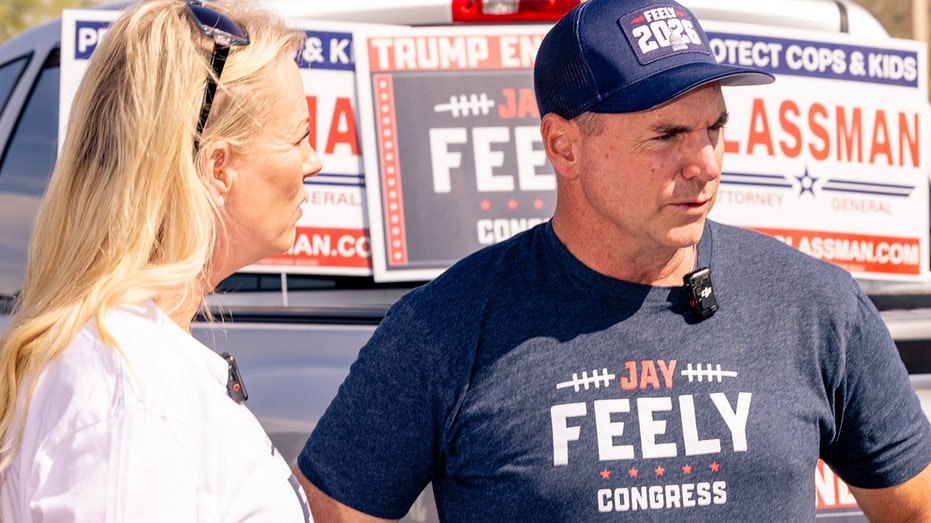
Reported facts: Fox News reports Jay Feely, a former NFL player, won an Arizona Republican primary for U.S. Congress. The article states he received major backing from NFL figures, including Commissioner Roger Goodell, multiple team owners, and former players. Attributed claims: The piece attributes the campaign funding/backing to those league notables; it implies that backing was a significant factor in Feely’s victory. Uncertainty: The article does not provide campaign finance records, amounts, precise donor identities beyond general labels, or documentation showing the mechanism and scale of the backing.
Source and Framing Analysis
The report is brief and framed around the contrast of an ex‑NFL player receiving high‑profile NFL support while running for office. Material uncertainties include lack of detail on the nature of the backing (direct donations, PAC support, endorsements, in‑kind contributions), the names and amounts from team owners, and evidence linking that backing causally to the election outcome. Because the supplied reporting is single‑source and lacks documentary finance detail, readers should treat characterizations of "major backing" as reported claims that require corroborating public records (campaign finance filings, PAC disclosures) to fully assess.
Biblical Reflection
This story highlights how sports fame and institutional influence can intersect with electoral politics. Christians should notice two realities: first, celebrity or institutional endorsement can move voters and money, but it is not in itself evidence of a candidate’s character, policy competence, or commitment to the common good; second, significant outside backing raises legitimate questions about whose interests a candidate will serve.
Evaluate the facts (Who gave what? Under what legal mechanisms? How will constituents be represented?) and resist shortcuts that equate popularity with virtue. Seek leaders who demonstrate humility, service, and love of neighbor, not merely prominence or connections. At the same time, avoid cynicism that dismisses all political engagement; faithful civic participation includes informed voting, prayer, and accountability.
Practically, Christians can use this moment to practise discernment: probe the sources of political influence, weigh policy proposals by their impact on vulnerable neighbors, and prioritize truth and integrity over spectacle. Pray for wisdom for voters and humility for leaders, and encourage open, transparent civic processes that serve the common good.
Scripture in context
- 1Philippians 2:1-11 (general reference) — Paul exhorts the Philippian church to unity and humility, holding up Christ's self‑emptying servanthood as the pattern for Christian behavior in a first‑century letter addressing communal strife and competing ambitions. — Use this passage as a lens for judging leadership claims and public honor: true Christian leadership is defined by humility and service rather than status, fame, or financial backing. Evaluate candidates by how they exemplify servanthood and care for the vulnerable, not merely by who endorses them.
Faithful Response
Examine publicly available campaign finance filings and official disclosures to understand who funded the campaign and how.
Prioritize assessment of candidates’ policies and records for their impact on the least advantaged, rather than relying on celebrity endorsements.
Pray for discernment before voting, discuss issues with neighbors across differences, and engage in respectful civic conversation that seeks truth and common good.
Reflection and Discussion
- 1How does the presence of powerful institutional backers affect your confidence in a candidate’s independence and priorities?
- 2What evidence would you require to conclude that a candidate will serve the common good rather than particular interests?
- 3How can your local faith community cultivate discernment and resist equating celebrity with virtue?
Sources
Reporting links are evidence inputs; Sanctuary News' biblical reflection is commentary.
This outlook currently relies on fewer than two linked sources. Broaden verification before teaching from it.
- 1.Former NFL player, funded by league notables including Roger Goodell, wins Arizona GOP Congressional Primaryprimary_reporting