News Summary
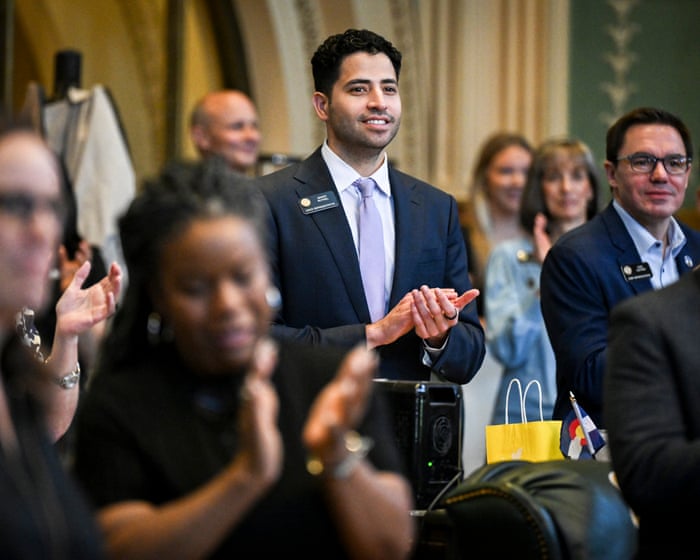
The Guardian reports that Manny Rutinel, a Democrat and former McDonald’s employee, is running in a competitive Colorado House race and is centering his campaign on affordability ("price‑tag" politics). The same article recounts that during his 2024 presidential campaign Donald Trump staged a photo op at a McDonald’s in October 2024 — being shown how to operate a fryer and drive‑thru at a closed restaurant — and that the piece characterizes several Trump statements about Vice President Kamala Harris’s past McDonald’s job as “unsubstantiated.” The article links these episodes to broader political messaging around affordability in the wake of high global inflation after the Covid pandemic. The supplied excerpt is an opening summary and does not include detailed polling, Rutinel’s specific policy proposals, or source documentation for the characterizations it makes.
Source and Framing Analysis
Source: The Guardian (single supplied article). The piece foregrounds symbolic imagery (a former fast‑food worker as a candidate; politicians staging McDonald’s photo ops) to explore how affordability discourse is used in campaigns. Strengths: the article flags uncertainty by labeling some claims as "unsubstantiated" and situates the anecdotes in a wider affordability conversation. Limitations and framing choices: the supplied excerpt is truncated and omits concrete evidence, polling, or detailed policy discussion about the Colorado contest; causal claims linking Covid to global inflation and to present affordability politics are asserted without supporting data in the excerpt; the article uses evocative symbolism that can highlight authenticity questions but may under‑develop substantive debate about wages, housing, or cost‑of‑living solutions. Readers should note which specific details come from the Guardian and which remain unverified or unexplained in the excerpt.
How sources covered this story
Sanctuary separately assesses reporting quality and alignment with Christian virtues. The virtues assessment considers truthfulness, dignity, compassion, justice, peacemaking, humility, and care for vulnerable people. It does not assess a publisher's faith or reward religious language.
Compare 1 reports
Rank 1
The Guardian: From McDonald’s to Congress: can a former fry cook flip a key district for Democrats?Reporting 78/100Virtues 75/100
- Distinctive contribution
- Documents the Oct 2024 Trump photo op at a McDonald’s (including being shown fryer/drive‑thru work), notes the photo op included ‘unsubstantiated claims’ about Kamala Harris’s past McDonald’s job, and links Republican messaging to an affordability crisis tied to post‑Covid inflation — connecting a national media stunt to local campaign themes.
- Framing
- Frames the McDonald’s event as political posturing and uses it as a lens to discuss how Republicans have leveraged affordability concerns stemming from high, post‑Covid inflation; presents the Harris allegation as unsubstantiated (cautious phrasing).
- Omissions or uncertainty
- The excerpt does not provide sourcing or evidence for the specifics of the Harris claim, offers no detail on Manny Rutinel’s campaign policies or how price‑tag politics would work locally, and states a broad causal link between Covid and global inflation without supporting data or attribution in the excerpt.
- Why these scores
- The excerpt is concise and responsibly flags the Harris allegation as ‘unsubstantiated,’ which is good attribution of uncertainty. It places the stunt in political context rather than repeating sensational details. The score is limited because the excerpt makes broad causal claims (global inflation triggered by Covid) without supporting data in the supplied text and provides few specifics about Rutinel’s campaign. The language is measured and non‑dehumanizing, flags unverified claims (truthfulness/humility), and offers context about economic harm (compassion/justice). It does not exploit suffering or use inflammatory rhetoric. Points are withheld because the excerpt lacks deeper attention to affected vulnerable people or restorative/peacebuilding perspective.
Biblical Reflection
From a Christian perspective, this story raises two complementary responsibilities. First, treat genuine economic hardship and the dignity of work as moral concerns that require compassion, concrete service, and policy attention. Second, hold public rhetoric to standards of truthfulness and humility: political theater that reduces people to props or obscures facts undermines the common good. Christians should welcome attention to affordability and the lived experiences of working people while insisting on honest debate about how policies will reduce economic strain. Our civic engagement should prioritize mercy, justice, peacemaking, and the protection of vulnerable neighbors rather than partisan spectacle.
Scripture in context
- 1Luke 10:25–37 (Parable of the Good Samaritan) — A teacher of the law asks who counts as 'neighbor,' and Jesus tells a parable that redefines neighborliness as active compassion across social and ethnic boundaries. — This passage calls Christians to practical care for people in need regardless of political identity; applied here it challenges Christians and public leaders to prioritize policies and practices that meet everyday needs (affordability, decent work) rather than reduce people to political symbols.
- 2Ephesians 4:25–32 (Ethics of the New Life) — Paul exhorts the community to put away falsehood, speak truthfully, and act in ways that build up others rather than provoke or exploit them. — This counsel applies to public discourse: Christians should insist on truthfulness in political speech and favor communications that restore and serve vulnerable people instead of inflaming or exploiting them.
Faithful Response
Inform yourself about candidates’ concrete proposals on affordability (wages, housing, healthcare) and corroborate public claims with reliable data before forming a settled judgment.
Serve neighbors experiencing economic strain through local assistance (food banks, rent‑help referrals) and by supporting organizations that address material need.
Engage civically with humility: attend candidate forums, ask specific questions about how proposals will affect everyday costs, and vote guided by concern for neighborly flourishing rather than partisan spectacle.
Model truthful speech in personal and congregational conversations; call leaders to account respectfully when rhetoric misrepresents facts or exploits people’s hardships.
Reflection and Discussion
- 1Does this coverage center the lived economic needs of voters or political theater — and how should that change the way you evaluate candidates' claims?
- 2Where does your civic loyalty belong: to a political brand or to the well‑being of neighbors whose lives are shaped by policy?
- 3Are the public claims you hear about affordability backed by verifiable facts, and will you demand evidence before forming a settled view?
Sources
Reporting links are evidence inputs; Sanctuary News' biblical reflection is commentary.
This outlook currently relies on fewer than two linked sources. Broaden verification before teaching from it.
- 1.From McDonald’s to Congress: can a former fry cook flip a key district for Democrats?primary_reporting