News Summary
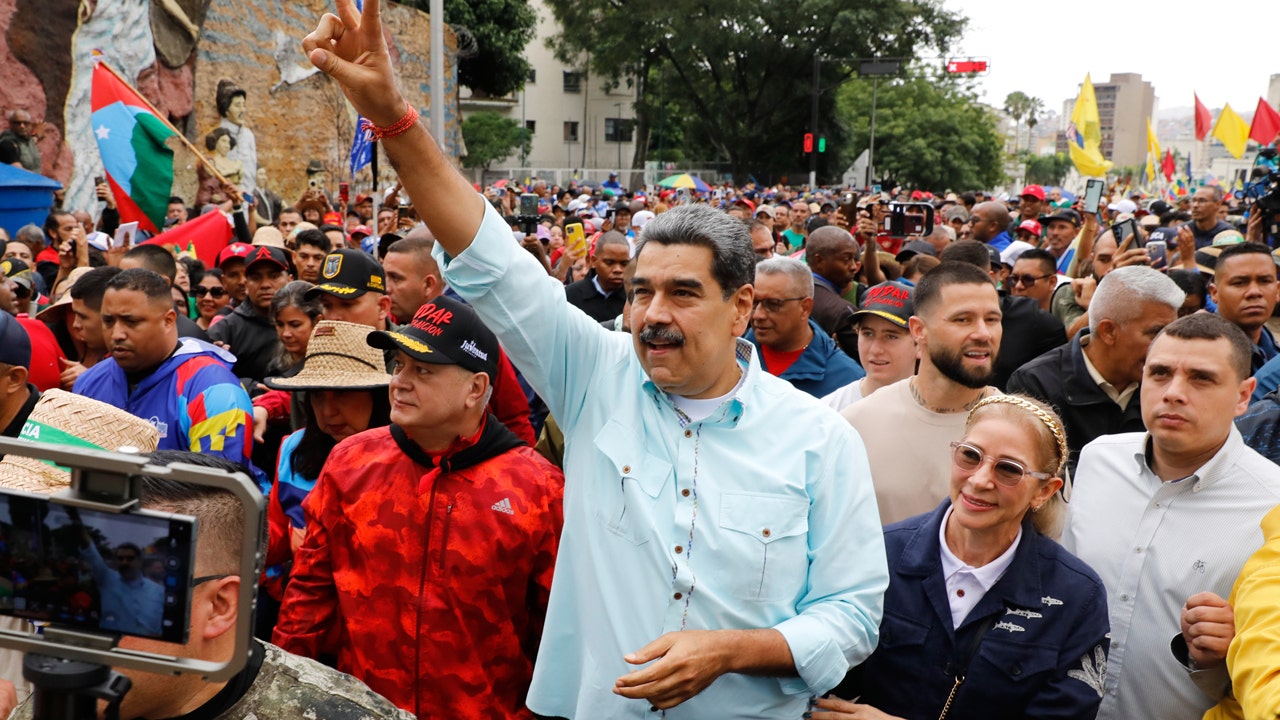
The article reports on comments made by Roger Carstens, former Special Envoy for Hostage Affairs, during an interview with CBS' '60 Minutes.' Carstens addressed the recent capture of Venezuelan President Nicolás Maduro by U.S. military forces. He expressed that he does not view Maduro as a 'bloodthirsty drug dealer,' a characterization previously advanced by the Trump administration. Carstens highlighted his personal interactions with Maduro during hostage negotiations, describing him as a practical individual concerned about his country's issues rather than a violent criminal. He acknowledged the crimes of Maduro's regime but stressed the importance of human-to-human relations in successful diplomatic efforts. The article also references U.S. military strikes in Venezuela, political debate about the operation's legitimacy, and Carstens' past involvement in hostage exchanges with Venezuela.
Biblical Reflection
From a biblical perspective, this article highlights the complexity of justice, truth, and the human heart. Scripture cautions us not to judge solely by outward appearances or reputations (John 7:24), but to seek truth with discernment and humility. Carstens' approach—engaging personally and refusing to reduce Maduro to a caricature—reflects a biblical principle of viewing even those accused of great wrongdoing as human beings created in God's image. Yet, the article also raises questions of justice and accountability for wrongdoing, which Scripture affirms as necessary (Micah 6:8). While pursuing justice, Christians are called to temper judgment with mercy, to seek reconciliation, and to pray for those in power (1 Timothy 2:1-2), remembering that ultimate judgment belongs to God. The use of military force and international intervention should always be weighed with sober reflection on motives, consequences, and the pursuit of peace. This story challenges believers to pray for wisdom, justice, and the transformation of hearts—both for leaders and those who serve as negotiators and peacemakers.
Scripture in context
This outlook does not yet include contextual Scripture citations. Do not treat a general biblical theme as an exegetical conclusion.
Faithful Response
No prescribed response is offered. Consider the reflection prompts below in your own church context.
Reflection and Discussion
- 1How do I balance a desire for justice with the biblical call to show mercy and humility, especially toward those accused of wrongdoing?
- 2In what ways am I tempted to judge others based on reputation or political narrative rather than seeking truth with discernment?
- 3How can I pray for leaders and negotiators to act with integrity, wisdom, and compassion in complex international situations?
Sources
Reporting links are evidence inputs; Sanctuary News' biblical reflection is commentary.
This outlook currently relies on fewer than two linked sources. Broaden verification before teaching from it.
- 1.Original reportprimary