News Summary
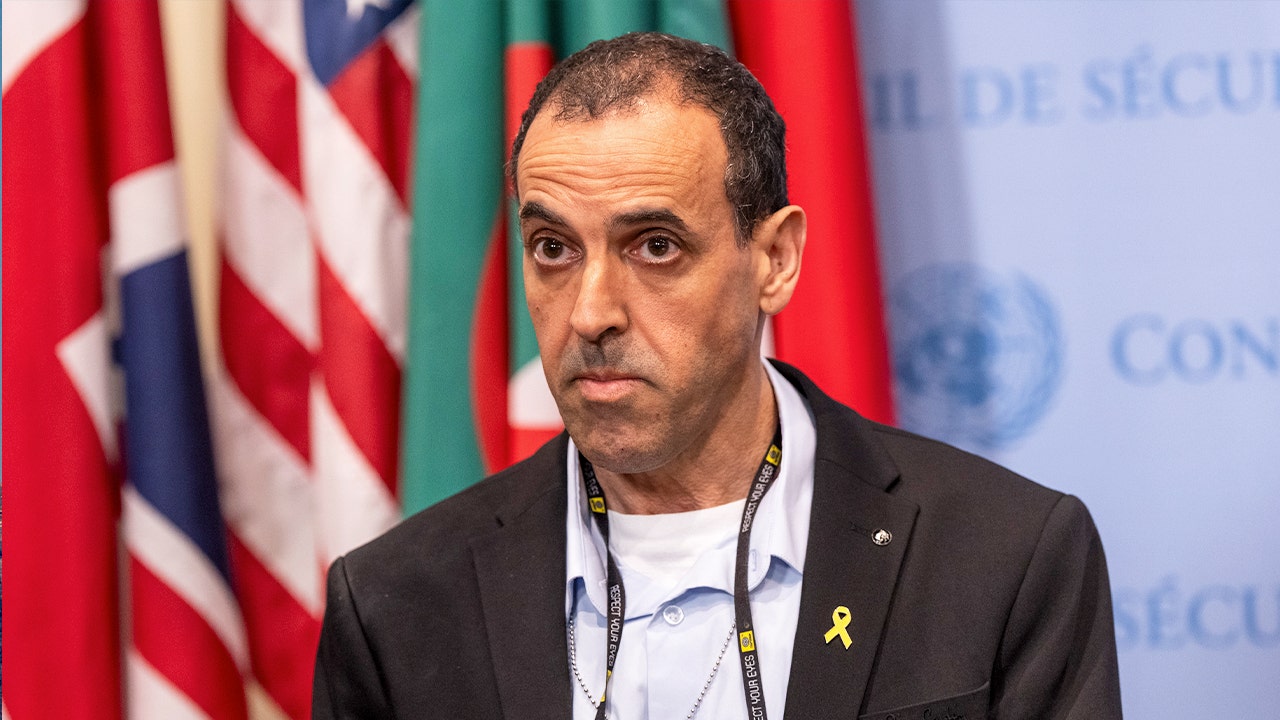
The article centers on Eli Sharabi, a former Hamas hostage who spent 491 days in captivity after being seized during the October 7, 2023, attack on Israel. Sharabi, whose wife and daughters were killed in the attack, warned Australian leaders months before the Bondi Beach Hanukkah shooting that rising antisemitism could lead to violence. Despite these warnings and his appeals to Deputy Prime Minister Richard Marles and Foreign Minister Penny Wong to speak out more forcefully, a hate-driven attack did occur at Bondi Beach, killing at least 15 and injuring many. Australian officials responded by strengthening laws against antisemitism and expressing condolences. Sharabi reflected on his survival, gratitude for freedom, and the ongoing trauma and need for healing. He also highlighted the global support he received during captivity and his advocacy for other hostages. Sharabi now seeks a new life, unable to return to his former home due to painful memories.
Biblical Reflection
This story is a somber reminder of the enduring presence of evil, prejudice, and violence in our world, especially against the Jewish people—a people with a unique place in God’s redemptive history (Genesis 12:3). The warnings given and ignored mirror biblical cautions against hardening our hearts (Hebrews 3:15) and the consequences of failing to confront hatred and injustice. The suffering endured by Eli Sharabi and others should prompt Christians to reject all forms of bigotry, pray for the peace of Jerusalem (Psalm 122:6), and act as peacemakers (Matthew 5:9), refusing to be silent in the face of rising hatred. The resolve to find healing and gratitude in the aftermath of trauma also echoes the biblical call to hope and restoration (Romans 5:3-5). This tragedy also reminds believers to stand in solidarity with the persecuted, advocate for the marginalized, and persist in prayer for justice and peace.
Scripture in context
This outlook does not yet include contextual Scripture citations. Do not treat a general biblical theme as an exegetical conclusion.
Faithful Response
No prescribed response is offered. Consider the reflection prompts below in your own church context.
Reflection and Discussion
- 1In what ways are you called to stand against hatred and injustice in your own community?
- 2How can you cultivate a spirit of compassion for those who suffer from violence and persecution?
- 3Are there warnings or cries for help around you that you might be tempted to ignore?
Sources
Reporting links are evidence inputs; Sanctuary News' biblical reflection is commentary.
This outlook currently relies on fewer than two linked sources. Broaden verification before teaching from it.
- 1.Original reportprimary