News Summary
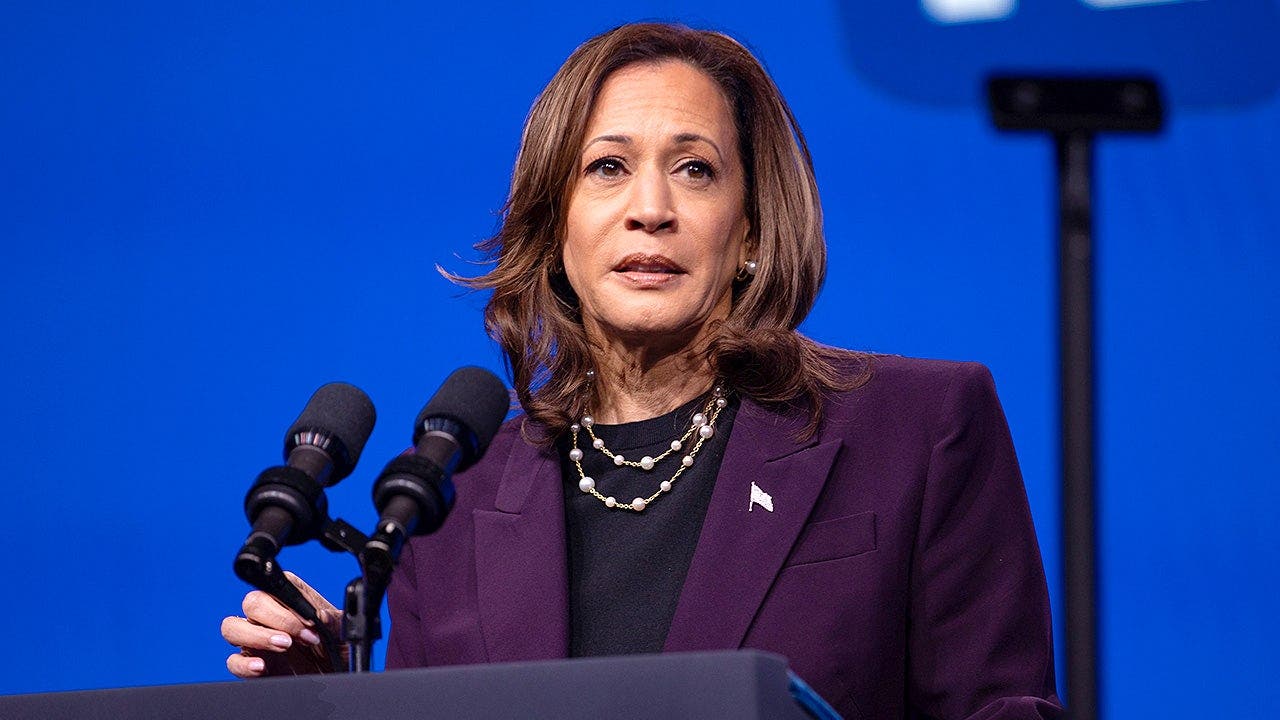
Former Democratic megadonor John Morgan told Fox News' Jesse Watters that he did not donate to the 2024 campaign after Vice President Kamala Harris became the ticket’s lead and sharply criticized a recently released Democratic National Committee (DNC) autopsy of the 2024 election. Morgan said the party's loss is self‑evident and listed factors he believes cost Democrats votes: diversity, equity and inclusion (DEI) initiatives, so‑called "woke" cultural positions, allowing transgender athletes to compete against women, a loose border policy, and the role of Kamala Harris and her staff. The DNC autopsy, first reported by CNN and released publicly by DNC Chair Ken Martin with annotations, attributes the 2024 losses more to weakened party infrastructure — declining voter registration, cuts to state party support and failures to engage certain voter groups — and recommends focusing outreach on Middle America and the South. Chair Martin publicly distanced himself from the authored product, saying it did not meet his standards but released it for transparency. The article cites Morgan’s comments and contrasts them with the autopsy’s organizational diagnosis; it also notes internal controversy within the party and mentions other Democrats Morgan says remain viable candidates.
Biblical Reflection
This story presents two distinct types of responses to a political failure: a rapid, personality‑and‑culture driven critique from a former donor, and a more technical organizational diagnosis from the party’s autopsy. From a Christian perspective, several cautions and considerations are relevant. First, Morgan’s summary is brief, partisan, and framed as decisive — the kind of rhetorical certainty that fits media soundbite culture more than careful analysis. Christians should note that such definitive claims often reflect personal frustration and partisan incentives (lost influence, disagreement with leadership) rather than a comprehensive review of evidence. Second, the DNC autopsy’s emphasis on infrastructure and outreach suggests structural causes that are neither glamorous nor easy to fix; Christians should be wary of narratives that reduce complex electoral outcomes to single cultural slogans. Third, underlying values in the critiques (concerns about identity politics, border security, and fairness in athletics) touch real policy and ethical questions; faith-based reflection requires weighing those concerns against biblical priorities such as justice, care for the vulnerable, truthfulness, and communal peace. Finally, the article’s framing — a high‑profile former donor publicly denouncing his party on a conservative outlet — reveals media dynamics that reward conflict and clarity over nuance. Christians are called to pursue truth and charity: seek facts beyond headlines, avoid trading in dehumanizing rhetoric, and insist that political engagement honor both truth and neighborly love.
Scripture in context
This outlook does not yet include contextual Scripture citations. Do not treat a general biblical theme as an exegetical conclusion.
Faithful Response
No prescribed response is offered. Consider the reflection prompts below in your own church context.
Reflection and Discussion
- 1Whose incentives and perspectives shape the sharp, simple explanation offered here (a former donor on partisan television), and how might that affect the credibility of the claim?
- 2Does the autopsy’s organizational diagnosis or the donor’s cultural critique better fit the available evidence — and are both types of explanations being considered fairly?
- 3How should Christians balance legitimate policy concerns (e.g., fairness in sports, border security) with gospel priorities like compassion, justice, and truthful, humble public discourse?
Sources
Reporting links are evidence inputs; Sanctuary News' biblical reflection is commentary.
This outlook currently relies on fewer than two linked sources. Broaden verification before teaching from it.
- 1.Original reportprimary