News Summary
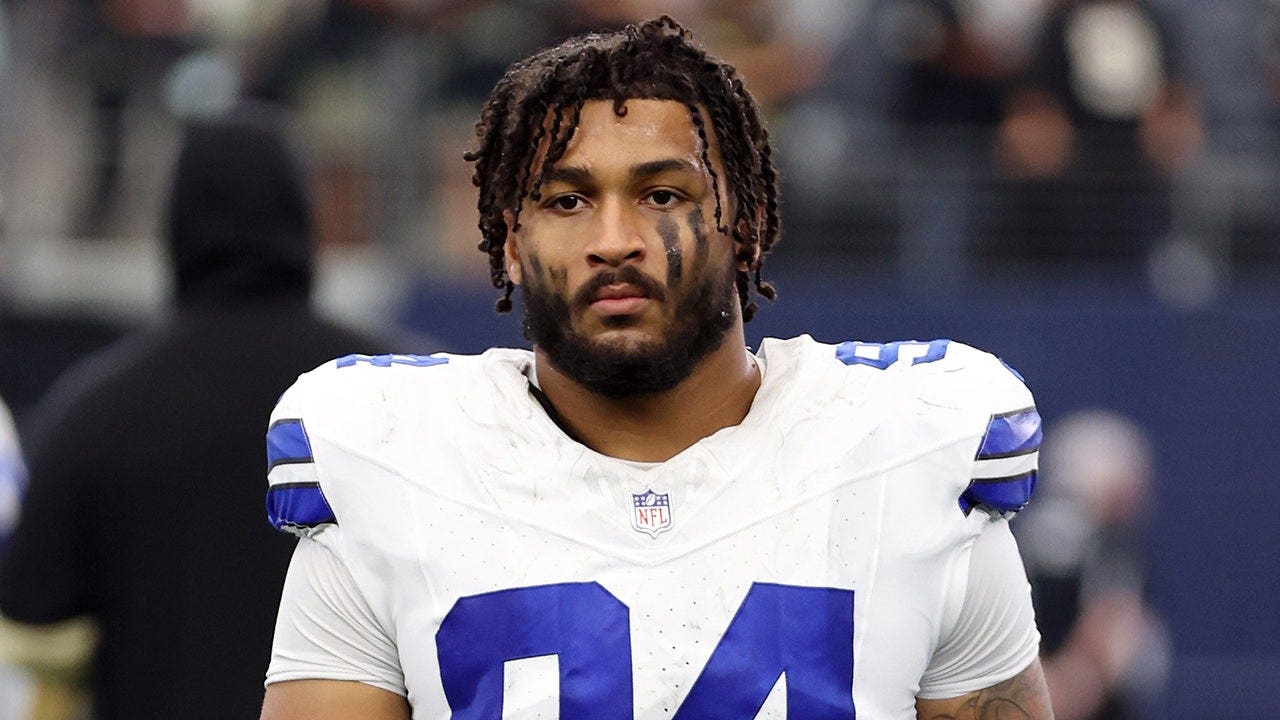
A postmortem brain analysis by the Boston University CTE Center, released by the Concussion & CTE Foundation and Kneeland’s family, found Stage 1 chronic traumatic encephalopathy (CTE) in Marshawn Kneeland, a former Dallas Cowboys defensive end who died by suicide in November 2025 after a high-speed police chase. The family said the diagnosis provides context for struggles he may have faced and that they released the results to raise awareness about what contact-sport athletes can experience. Dr. Ann McKee of Boston University and Dr. Chris Nowinski of the Concussion & CTE Foundation commented that CTE has been found in young athletes and that modern concussion protocols and helmets do not eliminate CTE risk because the disease is associated with repeated head impacts. The article notes Kneeland began playing tackle football at age seven, played at Western Michigan University, was a second-round pick in the 2024 NFL Draft, appeared in 18 games with 26 tackles and one sack, and scored his first NFL touchdown days before his death. Teammates and the team observed tributes following his death.
Biblical Reflection
From a Christian pastoral perspective, the facts reported are important and truthful as far as the article presents them: a medical center diagnosed Stage 1 CTE and Kneeland’s family chose to release that information to raise awareness. The reporting responsibly cites experts, but it does not and cannot establish that CTE caused his suicide; correlation does not equal proven causation. Christians should hold two convictions together: seek and honor objective truth about injury and disease, and respond with compassion for the person and family rather than letting diagnostic labels reduce a life to a condition or a headline. The story exposes systemic moral questions — how we train and protect young athletes, how culture prizes short-term performance over long-term health, and whether institutions care well for those who suffer mental health crises. Pastoral care calls us to both lament the loss and press for concrete care and prevention: better medical follow-up, mental-health resources, family support, and honest reforms in youth and professional sports. Be wary of narratives that simplify complex human tragedy into a single cause, and be quick to comfort, advocate, and pursue practical changes that protect the vulnerable.
Scripture in context
This outlook does not yet include contextual Scripture citations. Do not treat a general biblical theme as an exegetical conclusion.
Faithful Response
No prescribed response is offered. Consider the reflection prompts below in your own church context.
Reflection and Discussion
- 1Does the article clearly distinguish between a medical diagnosis found after death and a proven cause of suicide, or does it risk implying direct causation?
- 2How does our cultural admiration for athletic toughness shape policies and practices that affect long-term player health, especially for children and teenagers?
- 3What responsibilities do teams, leagues, churches, and communities have to provide mental-health care and support for athletes and their families beyond press statements?
Sources
Reporting links are evidence inputs; Sanctuary News' biblical reflection is commentary.
This outlook currently relies on fewer than two linked sources. Broaden verification before teaching from it.
- 1.Original reportprimary