News Summary
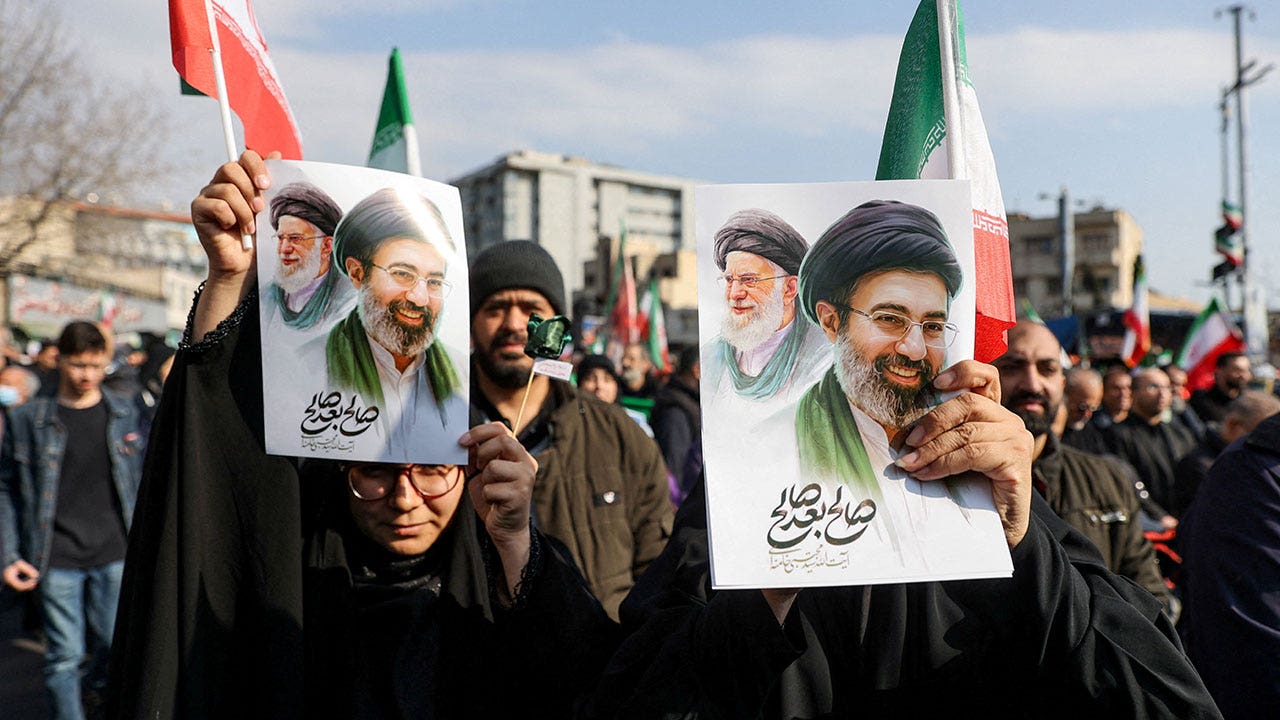
Former acting CISA director Bridget Bean told Fox News that the Iranian regime is increasingly using AI-altered images and other AI-generated content to craft a false global narrative that it is prevailing in its conflict with the U.S. Bean warned that Tehran cannot win on the battlefield and so seeks psychological and information advantages by producing subtly manipulated photos and videos that pass a quick "gut check." The article cites examples reported by other outlets—state media and a X account publishing AI-edited images of Mojtaba Khamenei amid questions about his health—and notes verification by journalists who identified online AI tools used to alter the images. Bean also traced this playbook to earlier conflict periods (e.g., a 12-day war in June 2025) when AI-driven disinformation spread rapidly. The piece urges consumers of media to be cautious and discerning about what they see online.
Biblical Reflection
From a biblical perspective this story raises familiar and urgent concerns about truth, deception, and the stewardship of speech and technology. Scripture consistently warns against falsehood (e.g., “the truth” as a Godward way of living) and calls believers to discernment (e.g., "test everything"). The use of AI to manufacture plausible-but-false images that aim to weaken opponents' resolve is a modern form of the ancient tactic of deception. Christians should condemn intentional falsehood and manipulation irrespective of the perpetrator’s politics, because God’s character is truth (John 14:6) and the church is called to be a witness to truth and justice (Micah 6:8). At the same time, biblical wisdom requires measured response: we must resist fear and paranoia, avoid scapegoating ordinary people (distinguishing regimes from populations), and not let outrage lead us into sinful reactions (hatred, dehumanization, or revenge). Practically: Christians should practice and promote discernment—verifying information, supporting trustworthy journalism, and calling technology makers and leaders to ethical accountability. We should also pray for vulnerable populations and for leaders (in all countries) to choose repentance and justice over manipulation. Finally, the church’s vocation includes peacemaking and truth-telling: advocate for policies and practices that protect societies from deception while pursuing reconciliation and the protection of innocent lives.
Scripture in context
This outlook does not yet include contextual Scripture citations. Do not treat a general biblical theme as an exegetical conclusion.
Faithful Response
No prescribed response is offered. Consider the reflection prompts below in your own church context.
Reflection and Discussion
- 1How am I practicing discernment about what I see online, and where can I improve my habits of verification?
- 2In what ways might my responses to alarming news (fear, anger, or rush-to-share) unintentionally contribute to false narratives or escalation?
- 3How can I pray for and act toward both truth and peace—holding leaders accountable while showing compassion for ordinary people affected by conflict?
Sources
Reporting links are evidence inputs; Sanctuary News' biblical reflection is commentary.
This outlook currently relies on fewer than two linked sources. Broaden verification before teaching from it.
- 1.Original reportprimary