News Summary
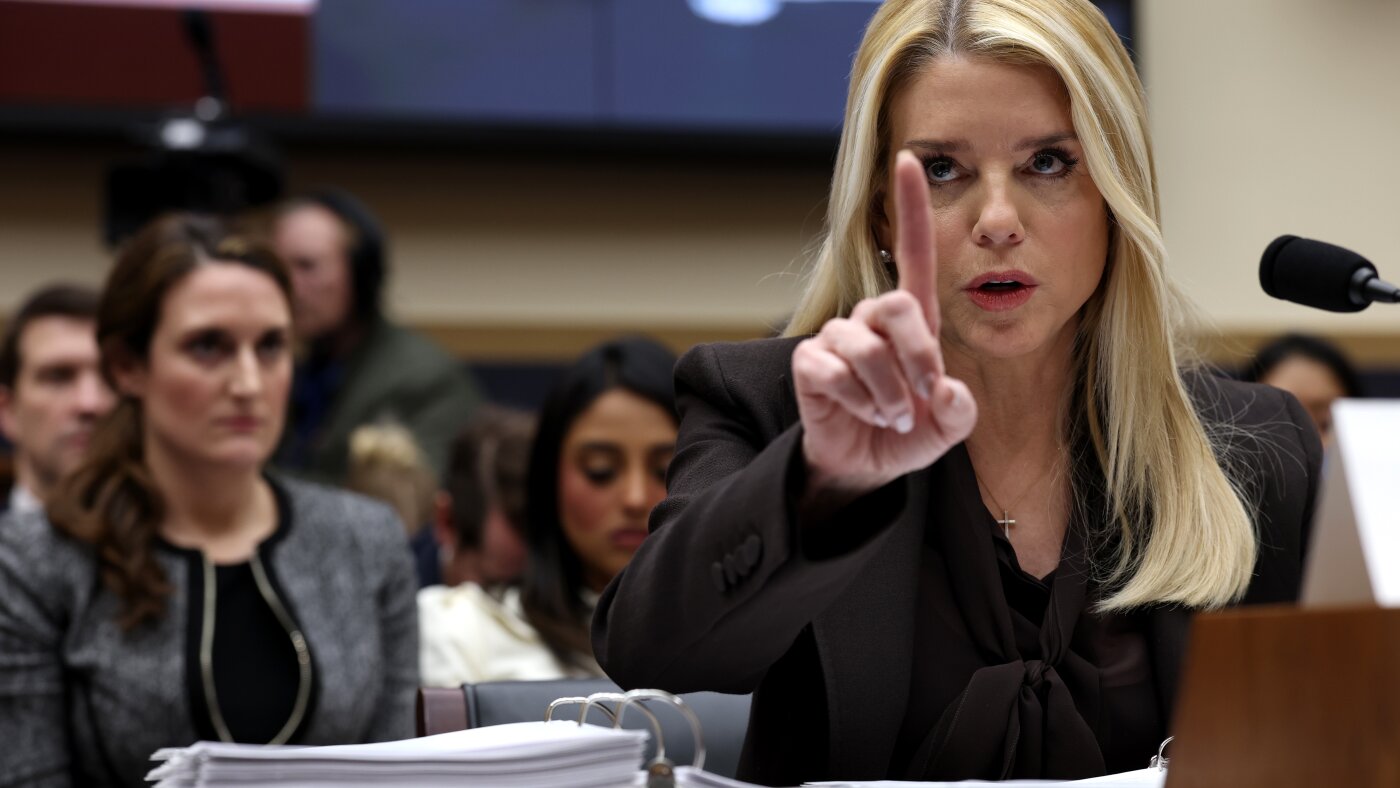
Former U.S. Attorney General Pam Bondi is scheduled to testify in a closed-door, transcribed House Oversight Committee hearing about her role in the Department of Justice's release of documents connected to Jeffrey Epstein. The committee issued a subpoena to Bondi in March to discuss how the DOJ implemented the Epstein Files Transparency Act. Survivors and Democratic lawmakers have criticized Bondi, alleging contradictory statements, inadequate redactions that exposed survivors' identifying information, and the removal of files related to former President Donald Trump. Bondi and DOJ defenders say the department reviewed millions of pages under a tight timeline, noting more than 500 attorneys and reviewers worked on the materials and that the DOJ released over 3 million pages and 180,000 images. Bondi previously testified publicly in February and was ousted from her position at DOJ in April. The upcoming hearing will be conducted behind closed doors and transcribed rather than videotaped; the committee says the transcript will be released. Some Democrats and survivors have demanded videotaped, public testimony. The DOJ said current department personnel, including Assistant Attorney General Harmeet Dhillon, will attend to assist the committee and to assert any government privileges as needed.
Biblical Reflection
This story sits at the intersection of justice, institutional responsibility, and public trust. The article reports competing claims: survivors and some lawmakers assert that the release process harmed victims and was incomplete or politicized, while Bondi and DOJ officials point to the scale of the review and legal constraints. Christians should attend to two consistent priorities: protecting and honoring victims, and pursuing truthful, accountable processes in public institutions. Secrecy and partisan framing can deepen wounds and erode trust; yet due process and lawful privilege assertions also serve legitimate legal purposes. The pastoral posture is to press for clear, verifiable facts and compassionate attention to survivors’ dignity while resisting rushes to politicize every action. Where assertions are contested, humility is required—call for transparent, impartial investigation rather than assuming motive. Pray and act for systems that show both mercy to victims and faithful stewardship of truth.
Scripture in context
This outlook does not yet include contextual Scripture citations. Do not treat a general biblical theme as an exegetical conclusion.
Faithful Response
No prescribed response is offered. Consider the reflection prompts below in your own church context.
Reflection and Discussion
- 1How does holding important portions of an inquiry behind closed doors affect public trust, especially for survivors seeking recognition and protection?
- 2Are the criticisms and defenses being reported presented as verified facts or as contested claims—and how should that shape our judgment?
- 3When institutions claim legal constraints or privilege, how can Christians insist on both due process and compassionate protection for victims?
Sources
Reporting links are evidence inputs; Sanctuary News' biblical reflection is commentary.
This outlook currently relies on fewer than two linked sources. Broaden verification before teaching from it.
- 1.Original reportprimary