News Summary
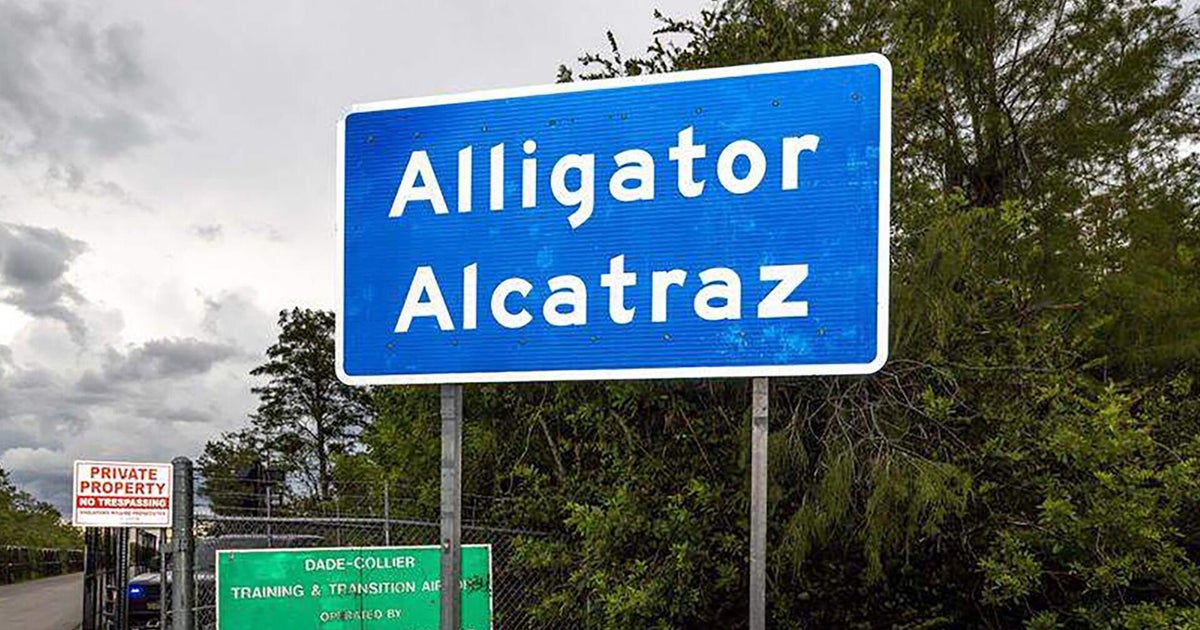
Florida state officials notified companies operating the Alligator Alcatraz detention center that the facility will be closed and demobilized, with the remaining roughly 1,400 detainees to be removed in the coming weeks and the last detainee expected to leave in June. The closure decision was driven by escalating operating costs, now estimated to total nearly $1 billion. The center opened July 3, 2025, was built with state tax dollars, and state officials previously submitted a $608 million federal reimbursement request that was approved but whose payout has been delayed by court challenges, environmental issues, and other disputes. Florida incurred an additional estimated $300 million in costs beyond the $608 million request; state sources said there is no guarantee the federal government will cover that additional amount, raising concern about the financial burden on Florida taxpayers. After detainees are removed, vendors were told demobilization (removal of fencing, trailers, and structures) will take two to three weeks, and the site is planned to reopen as a small pilot training airport. Officials from the Florida Department of Emergency Management informed vendors; on-the-record comment from FDEM was not provided in the published report. Governor Ron DeSantis had earlier said he expected the facility to close soon and had described the site as having 'served its purpose' if shut down.
Biblical Reflection
From a Christian perspective, this story raises intertwined concerns about stewardship, care for vulnerable people, and the responsible use of public resources and God’s creation. The decision to close the facility appears rooted in fiscal realities — rising costs and uncertain federal reimbursement — which highlights the biblical responsibility to steward public funds wisely (accountability for resources). At the same time, the article involves people in detention whose dignity and welfare remain a moral concern; Scripture repeatedly calls believers to care for 'the stranger' and those in captivity. The Everglades location and mention of environmental challenges also prompt reflection on creation care and whether projects respect ecological limits. Politically, the facility was closely associated with a sitting governor and public messaging has emphasized both efficacy and cost; readers should note potential partisan framing and public relations motives on all sides (claims of 'served its purpose' or that federal funds will or will not cover costs). Practically, Christians should weigh competing goods: fiscal stewardship and lawful governance, compassionate treatment of migrants, and care for the environment. Seek truth in the facts (what costs were contracted, who bears liability, what happens to detainees) and guard against letting partisan loyalties override concern for human dignity and responsible stewardship.
Scripture in context
This outlook does not yet include contextual Scripture citations. Do not treat a general biblical theme as an exegetical conclusion.
Faithful Response
No prescribed response is offered. Consider the reflection prompts below in your own church context.
Reflection and Discussion
- 1Whose costs and well‑being are centered in the article's framing — taxpayers, detained individuals, contractors, or political actors — and how does that shape our moral priorities?
- 2How should Christians weigh fiscal stewardship and the rule of law against obligations to protect the dignity and basic needs of migrants and care for the environment?
- 3What questions remain unanswered (contracts, oversight, plans for detainees, environmental remediation) that Christians should seek to clarify before forming a final judgment?
Sources
Reporting links are evidence inputs; Sanctuary News' biblical reflection is commentary.
This outlook currently relies on fewer than two linked sources. Broaden verification before teaching from it.
- 1.Original reportprimary