News Summary
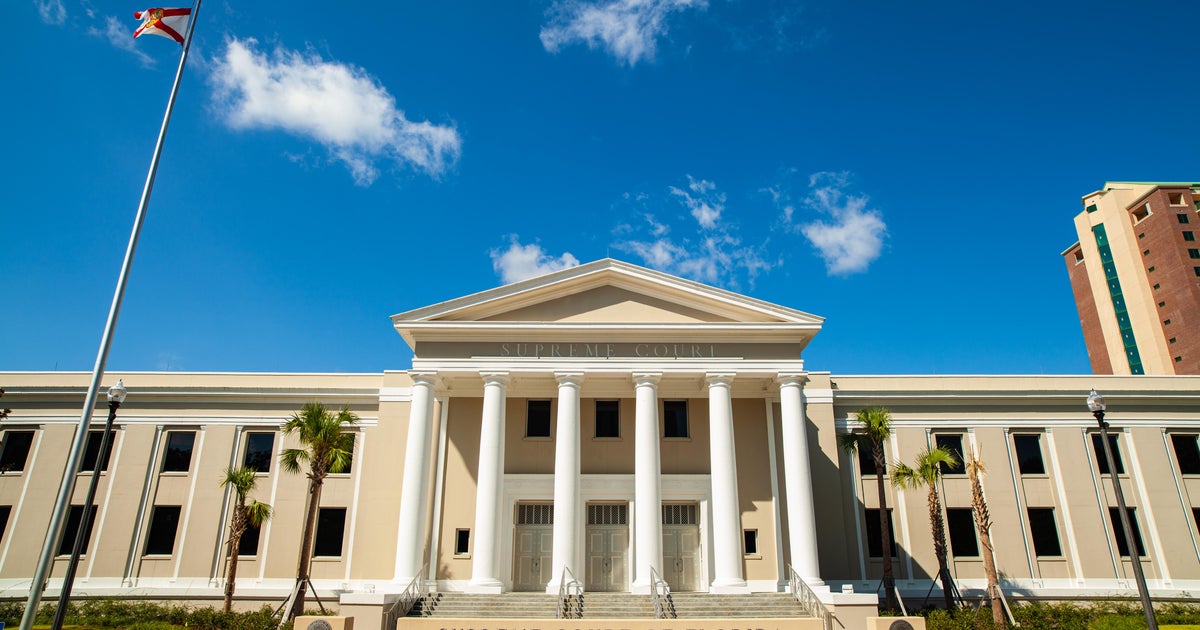
The Florida Supreme Court, in a 6–1 decision, refused to enjoin the state's newly drawn congressional map ahead of the 2026 midterm elections and directed that the First District Court of Appeal consider the merits of the underlying challenge first. Voting-rights groups including Equal Ground Education Fund sued, alleging the map was drawn to favor Republicans and violated Florida’s 2010 Fair District Amendment prohibiting maps that favor or disfavor political parties. The First DCA declined to issue a temporary injunction while the case proceeds. Justice Jorge Labarga dissented, arguing the Supreme Court had jurisdiction and criticizing delay given the approaching candidate qualifying deadline; Justice Adam Tanenbaum concurred separately defending the procedural posture and assuring that plaintiffs will have their day in court. The map was drawn by an aide to Governor Ron DeSantis and enacted by the Republican-led Legislature during an April special session; DeSantis and aides have said the map responded to a U.S. Supreme Court decision and that at least one district required redrawing, while critics point to admitted use of partisan data and publicized partisan projections. With the injunction denied, the new map will be used for the upcoming elections while legal challenges continue.
Biblical Reflection
This story raises core questions about justice, civic trust, and the stewardship of political power. Procedural rulings that leave contested maps in place can have immediate, concrete effects on who can win elections and whose voices are amplified; those outcomes matter morally because they shape public life and resource distribution. The article reports both procedural legal reasoning and factual claims about partisan motives (such as the aide’s use of partisan data and DeSantis’ role), but it does not settle the substantive legal or moral claims — those remain to be adjudicated. Christians should attend to three truths: first, fairness in political structures matters because it protects the weak and preserves neighborly equality; second, institutions must be held accountable through lawful, transparent processes rather than partisanship or secrecy; third, urgency (deadlines, election timing) can pressure systems in ways that advantage the powerful, so vigilance and prudent civic engagement are needed. The reporting leans toward neutral courtroom description but includes context that reveals partisan interests; read it discerningly, looking for which facts are established and which are claims still under legal review. Christians are called to seek truth and justice, to pray for impartial institutions, and to work for electoral systems that enable faithful, neighbor-honoring representation rather than entrenchment of power.
Scripture in context
This outlook does not yet include contextual Scripture citations. Do not treat a general biblical theme as an exegetical conclusion.
Faithful Response
No prescribed response is offered. Consider the reflection prompts below in your own church context.
Reflection and Discussion
- 1Are procedural court decisions that preserve contested maps serving justice in the short term, or do they risk cementing unfair advantages before merits are reached?
- 2How does the concentration of appointment power and timing of legal processes affect public trust in institutions meant to mediate disputes impartially?
- 3When political actors openly use partisan data to draw maps, what does that reveal about the underlying values shaping civic decision-making, and how should Christians respond?
Sources
Reporting links are evidence inputs; Sanctuary News' biblical reflection is commentary.
This outlook currently relies on fewer than two linked sources. Broaden verification before teaching from it.
- 1.Original reportprimary