News Summary
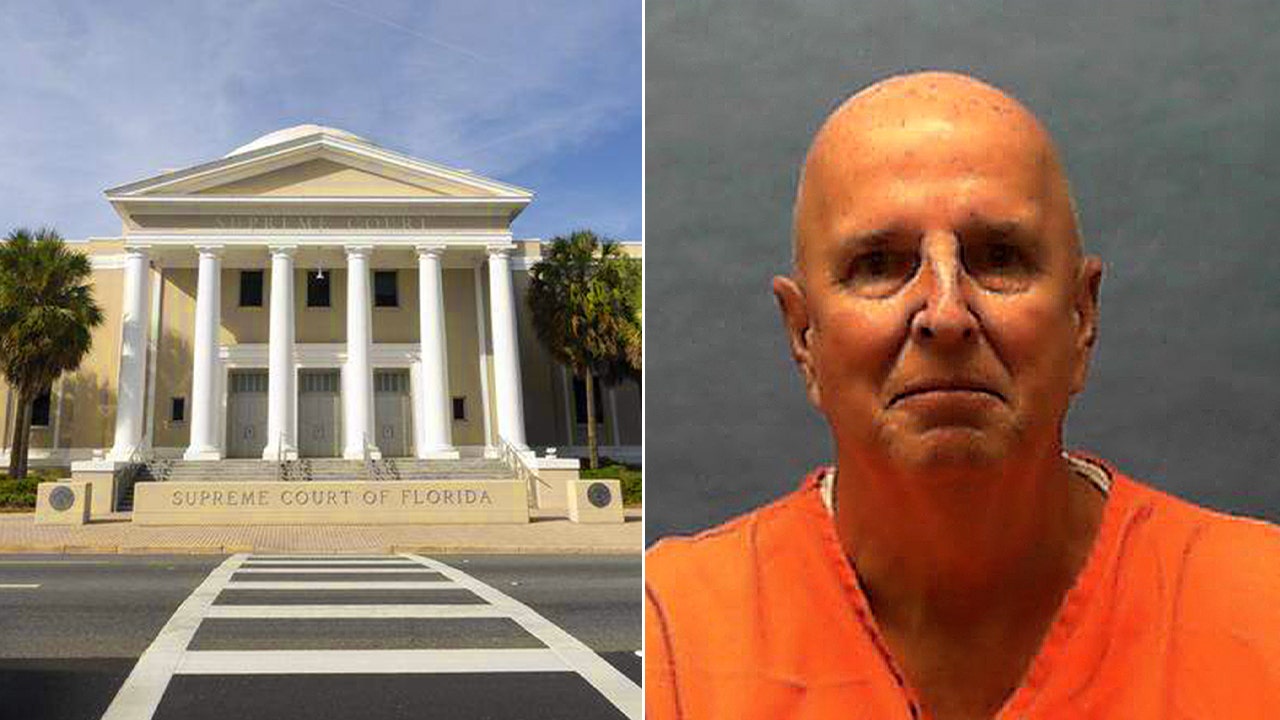
James Duckett, a former Mascotte, Florida police officer convicted in 1987 of raping and murdering 11-year-old Teresa McAbee, was scheduled for execution Tuesday. The defense obtained modern DNA testing of biological material from the victim's underwear; the test results returned inconclusive and did not exonerate Duckett. After the inconclusive results were reported, Florida's attorney general moved to lift a stay of execution so the sentence could proceed. On Monday the Florida Supreme Court denied the state's request to lift the stay: six of seven justices chose to keep the execution on hold and directed the lower court to review successive claims related to the DNA evidence, requiring status updates on outstanding issues by Thursday, April 2. Key elements of the original case include testimony in the 1980s that hair found at the scene matched Duckett (a forensic method since discredited), fingerprints from Duckett and the victim on the hood of his patrol car, tire tracks matching Mascotte police department tires at the lake, and a gap in Duckett's radio logs the night of the murder. Duckett has maintained his innocence and has spent nearly four decades on death row.
Biblical Reflection
From a Christian perspective, this story raises urgent questions about our pursuit of both justice and truth. The irreversible nature of capital punishment makes thorough, transparent review essential when forensic methods evolve and new evidence is ambiguous. The court's decision to maintain the stay prioritizes additional review over immediate finality, which aligns with a biblical concern for careful judgment (to avoid condemning the innocent) and compassion for victims and their families who seek closure. Readers should notice the competing moral goods here: the state's interest in carrying out a lawful sentence and the moral imperative to avoid executing a potentially innocent person. Media summaries that emphasize speed or certainty risk minimizing legitimate procedural safeguards; likewise, narratives that assume guilt because of the defendant's past role in law enforcement can obscure the need for impartial review. Christians are called to seek justice, love mercy, and act with humility—this means supporting fair, careful legal processes, advocating for truthful forensic practices, and holding both the prosecution and the defense to standards that honor the dignity of the victim, protect the vulnerable, and guard against systemic error.
Scripture in context
This outlook does not yet include contextual Scripture citations. Do not treat a general biblical theme as an exegetical conclusion.
Faithful Response
No prescribed response is offered. Consider the reflection prompts below in your own church context.
Reflection and Discussion
- 1When evidence is inconclusive and the outcome irreversible, how should Christians weigh the demands of justice, mercy, and prudence?
- 2What assumptions or biases might media coverage and public opinion bring to a case involving a former law enforcement officer, and how can we guard against those in our own thinking?
- 3How does the evolving reliability of forensic methods shape our responsibility to demand reexamination and transparency in capital cases?
Sources
Reporting links are evidence inputs; Sanctuary News' biblical reflection is commentary.
This outlook currently relies on fewer than two linked sources. Broaden verification before teaching from it.
- 1.Original reportprimary