News Summary
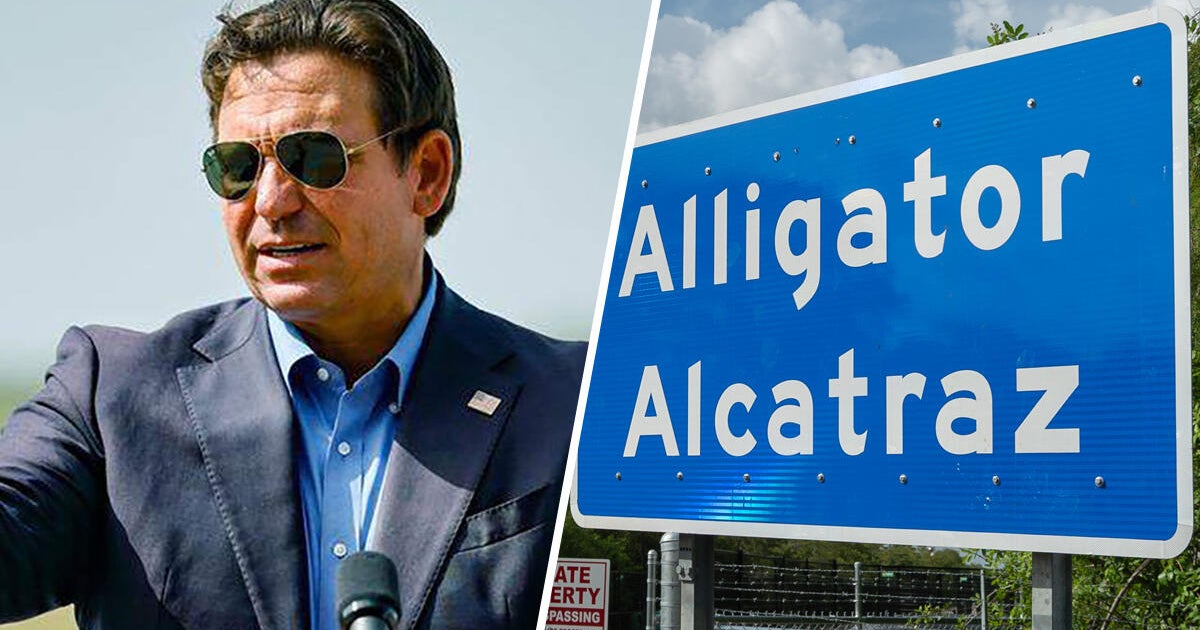
Florida Gov. Ron DeSantis held a June 25, 2026 news conference at the Alligator Alcatraz detention facility and confirmed the site is shutting down and no detainees remain. He was joined by Tom Homan and Florida State Board of Immigration Enforcement Executive Director Anthony Coker. Earlier reports said state-hired vendors were notified to begin full demobilization after the final detainees were transferred to other centers or deported; officials earlier cited safety concerns tied to the start of the 2026 Atlantic hurricane season and had indicated the facility might remain ready to receive detainees. The facility, which cost about $1.2 billion and was previously promoted by DeSantis and former President Donald Trump as a model, had faced criticism from lawyers, families, human rights groups and Amnesty International for allegedly harsh and inhumane conditions. Miami-Dade Mayor Daniella Levine Cava said her administration will pursue permanently conserving the county-owned land at the TNT site, evaluate legal steps to transfer the property to the National Park Service and Everglades restoration partners, and incorporate it into the Comprehensive Everglades Restoration Plan, citing the site's remoteness, limited aviation value, maintenance costs, and incompatibility with surrounding conservation lands.
Biblical Reflection
The closure touches two moral concerns Christians consistently hold: care for vulnerable people and stewardship of creation. Factually, the article reports a state decision framed as fulfilling the facility’s mission while also noting criticism of conditions inside and plans to convert the land for conservation. Spiritually, the language of 'mission fulfilled' risks reducing human lives to policy objectives; Christian ethics call us to judge policies by how they treat the least powerful, including migrants lacking due process. At the same time, the intent to restore Everglades land aligns with biblical stewardship of creation and intergenerational care. Readers should note the political theater: the facility was both a policy experiment and a political symbol, and its closure reflects practical, legal, humanitarian, environmental, and public-safety factors. Christians are invited to insist on transparency and accountability about how detainees were treated, to welcome efforts that repair harm, and to weigh conservation efforts alongside commitments to justice and mercy for people affected by the detention regime.
Scripture in context
This outlook does not yet include contextual Scripture citations. Do not treat a general biblical theme as an exegetical conclusion.
Faithful Response
No prescribed response is offered. Consider the reflection prompts below in your own church context.
Reflection and Discussion
- 1Does calling the facility’s closure a 'mission fulfilled' obscure responsibility for the treatment and outcomes of the people who were detained?
- 2What political incentives might have shaped the facility’s creation and closure, and how should Christians weigh rhetoric against evidence of harm or good?
- 3How can commitments to environmental restoration be paired with accountability and care for people harmed by prior policies?
Sources
Reporting links are evidence inputs; Sanctuary News' biblical reflection is commentary.
This outlook currently relies on fewer than two linked sources. Broaden verification before teaching from it.
- 1.Original reportprimary