News Summary
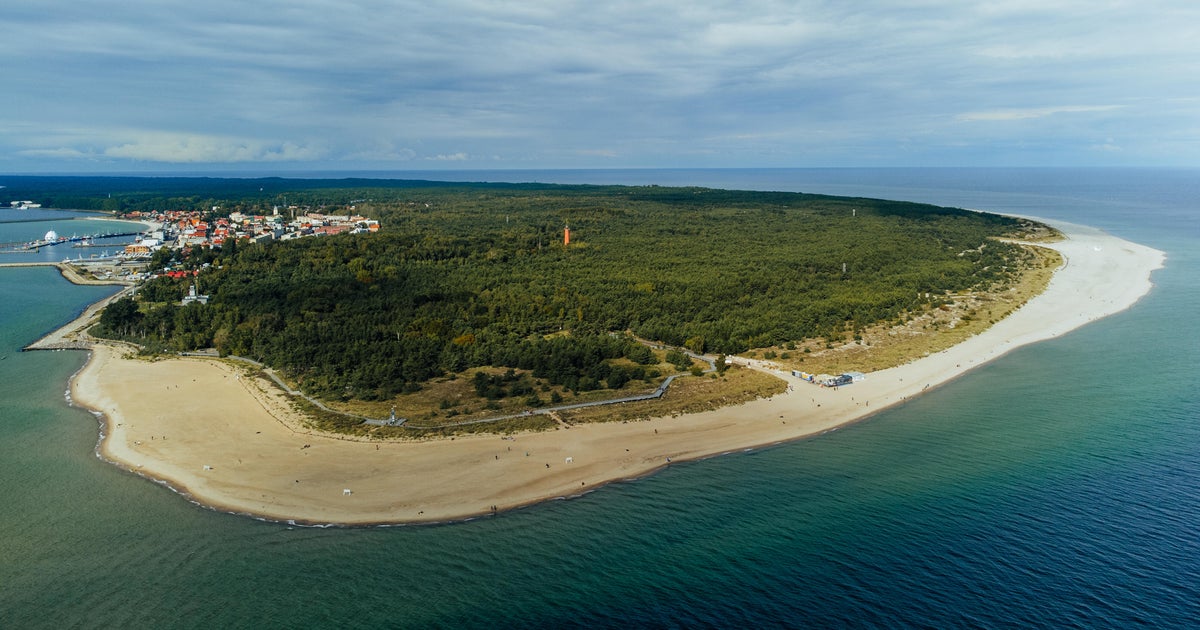
German carrier FlixBus has launched a seasonal Route 666 running from Kraków to the resort town of Hel on Poland's Baltic coast, with stops including Warsaw and other coastal towns. The 13-hour service will operate through the summer tourism season. The route number deliberately revives the '666' designation after the local operator PKS Gdynia changed the former route number to 669 in 2023 following lobbying from conservative Catholics who objected to the association between the number and the English word 'hell.' The 666 designation became a social-media novelty in prior years, attracting tourists who took photos of the route number and destination. FlixBus's Eastern Europe managing director Michał Leman said the number choice was intentional and defended it as lighthearted marketing for vacation travel, while the company also emphasized there is real passenger demand for direct connections to Hel. Historians and linguists state the town's name derives from old Germanic words related to the landscape rather than any biblical meaning.
Biblical Reflection
The article is largely factual and light in tone, centering on a commercial decision that deliberately leverages a linguistic coincidence. From a Christian perspective, there are several things to notice. First, symbols and numbers can carry real meaning for believers; what is playful marketing for some can feel disrespectful or hurtful to others. Christians are called to weigh both truth and charity: truth in acknowledging that the town name is linguistically unrelated to the biblical image, and charity in recognizing why some faithful people objected to the earlier numbering. Second, the story shows how market incentives and social-media novelty often shape public choices; commercial actors may prioritize attention and convenience over pastoral sensitivity. Third, the article does not present moral panic or theological claims but does frame the controversy as cultural, which invites Christians to respond with humility rather than outrage. Practically, Christians can model neighbor-love by listening to those offended, speaking clearly about why certain symbols matter to faith communities, and resisting the urge to weaponize symbols for either mockery or triumphalism. In short: this is primarily a cultural and commercial matter, not a theological crisis, and it calls for measured compassion, discernment about public messaging, and a reminder that freedom to choose carries responsibility toward the convictions of others.
Scripture in context
This outlook does not yet include contextual Scripture citations. Do not treat a general biblical theme as an exegetical conclusion.
Faithful Response
No prescribed response is offered. Consider the reflection prompts below in your own church context.
Reflection and Discussion
- 1Does using religiously loaded imagery or numbers as marketing harmlessly attract attention, or does it risk trivializing convictions that others hold deeply?
- 2How should Christians balance speaking up when public choices feel disrespectful with the call to show patience and forbearance in a plural society?
- 3When media treat a controversy as a cultural curiosity, what deeper values or tensions might be going unexamined?
Sources
Reporting links are evidence inputs; Sanctuary News' biblical reflection is commentary.
This outlook currently relies on fewer than two linked sources. Broaden verification before teaching from it.
- 1.Original reportprimary