News Summary
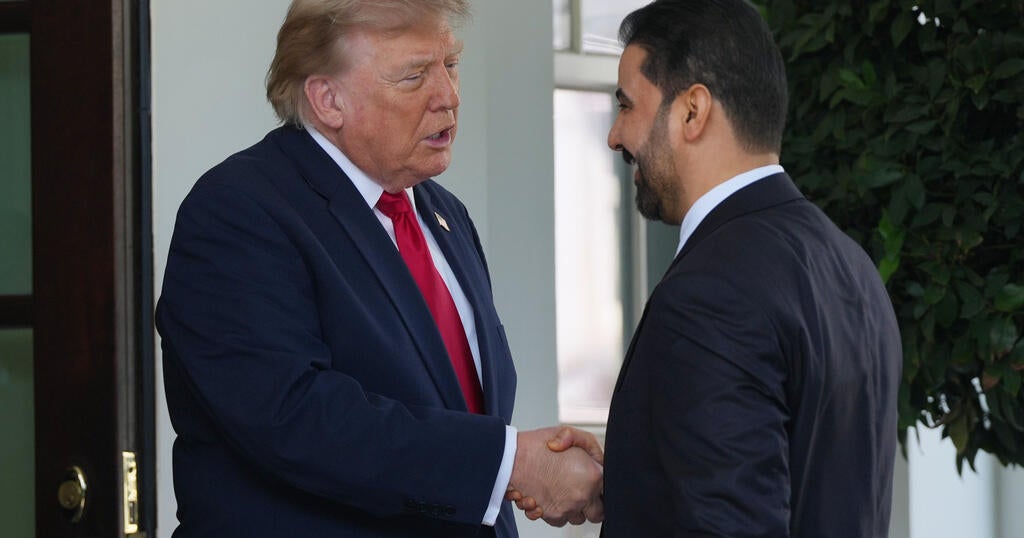
On July 15, 2026, Ronald Reagan National Airport (DCA) halted takeoffs and landings for several hours—roughly from 11:00 a.m. ET to about 3:00 p.m.—as security measures to protect Iraqi Prime Minister Ali al‑Zaidi during his visit to Washington, D.C. Flight tracking site FlightAware reported over 300 delayed flights and at least 126 cancellations. White House and Federal Aviation Administration officials provided timing updates and allowed some aircraft that were holding to land and some on the ground to depart; FAA and Department of Transportation spokespeople declined to comment to CBS News. President Trump hosted al‑Zaidi in meetings that were extended to include an unscheduled lunch; al‑Zaidi’s motorcade left the White House for the Pentagon later than planned, with a security helicopter operating in DCA airspace. The article situates the visit amid the ongoing U.S. war with Iran and notes Iraq’s internal tensions with Iran-aligned militias, U.S. troop withdrawal plans, and broader security concerns including past Iran-linked plotting and recent domestic threats. It also notes a Pentagon briefing to some members of Congress on a proposed $1.5 trillion military budget and references an FBI report last month about a foiled plot involving drones and a planned attack at a White House event.
Biblical Reflection
From a Christian perspective, the story shows the hard trade-offs public leaders must make between protecting human life and preserving the common good while minimizing harm to ordinary people. Temporarily grounding flights to secure a foreign leader during a sensitive diplomatic visit is a precaution aimed at safety; inconvenience and economic cost are real, but they are weighed against potential threats to life and national stability. Readers should notice two possible distortions: (1) framing that treats inconvenience as the primary story may understate legitimate security needs, and (2) political spin—such as emphasizing an unscheduled friendly lunch or portraying the visit through partisan lenses—can shift attention from underlying diplomatic and humanitarian realities in Iraq and the region. Christians are called to seek truth and to care for neighbors—this means supporting prudent protective measures while asking for transparency, accountability, and compassion for those affected by policy decisions. We should also resist fear-driven narratives that simplify complex international relationships into good-versus-evil soundbites and instead pray and advocate for policies that pursue peace, justice, and the protection of innocents.
Scripture in context
This outlook does not yet include contextual Scripture citations. Do not treat a general biblical theme as an exegetical conclusion.
Faithful Response
No prescribed response is offered. Consider the reflection prompts below in your own church context.
Reflection and Discussion
- 1Are the security choices described proportional to documented threats, or might they be amplified by political or media incentives?
- 2How does the story balance the immediate safety of leaders and the public against the economic and personal disruptions experienced by travelers?
- 3What assumptions about foreign influence and threat should we challenge so our response is measured, not driven by fear or partisan advantage?
Sources
Reporting links are evidence inputs; Sanctuary News' biblical reflection is commentary.
This outlook currently relies on fewer than two linked sources. Broaden verification before teaching from it.
- 1.Original reportprimary