News Summary
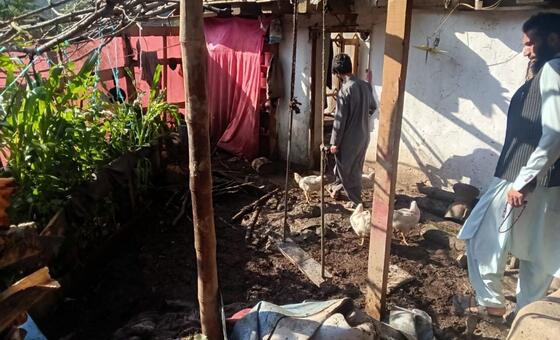
Reported facts: UN News reports flash floods in eastern Afghanistan killed at least 26 people, with 23 deaths in Nuristan province; homes, markets and roads were swept away; search teams were looking for people reported missing; aid agencies were described as racing to reach survivors. Attributed claims: casualty totals and descriptions of damage are reported by the UN News account and presented as provisional. Uncertainty: the article provides no named government or local authority statements in the supplied text, does not identify specific aid agencies, and gives no timeline or weather data explaining the cause or scale beyond the immediate impacts.
Source and Framing Analysis
The supplied report is a single UN News story; casualty figures and damage descriptions are presented as current but provisional. The phrase that aid agencies are "racing" to reach survivors conveys urgency but lacks named organizations or operational details, which limits verification and follow-up. Missing are official confirmations (e.g., from Afghan provincial authorities), numbers of missing persons, estimates of displaced people, and concrete timelines for the response. Those gaps affect how confidently readers can assess the scale and trajectory of the humanitarian emergency.
Biblical Reflection
This event is a sober reminder of human vulnerability and the concrete demands of neighbor-love. The article presents a humanitarian crisis: lives lost, infrastructure damaged, and people still missing. From a Christian perspective, the fact of suffering calls first for compassionate care — tangible aid, concerted relief efforts, and sustained prayer for survivors and responders. The language that relief groups are “racing” to reach survivors rightly emphasizes urgency, but the story’s limited detail also calls Christians to discernment: before passing judgment or sharing images, verify facts and prioritize the dignity of those affected.
The piece also exposes underlying worldviews about human dependency and power. Natural disasters reveal how fragile human plans and possessions are; they should humble us and focus our trust in God’s compassion rather than in false promises of absolute security. Practically, Christians should combine mercy with truth: pray and give, support reputable relief organizations, encourage hospitable policies that allow aid to reach vulnerable communities, and resist narratives that politicize victims for other ends.
Scripture in context
- 1Matthew 25:31-46 (parable of the sheep and the goats) — In this teaching Jesus describes a future judgment in which people are separated according to how they treated the hungry, thirsty, stranger, naked, sick, and imprisoned. The passage addresses community responsibility and identifies care for vulnerable neighbors as decisive for discipleship. — The passage calls Christians to see relief work as integral to faith — meeting physical needs (food, shelter, rescue) is a concrete expression of love and accountable discipleship, not an optional extra.
- 2James 2:14-17 (faith and works) — James argues that claims of faith without practical help for those in need are incomplete; the letter addresses the integrity of faith demonstrated through actions within early Christian communities. — Responding to disaster requires both prayer and tangible action; offering only words without support for survivors undermines the credibility of spiritual concern.
Faithful Response
Pray urgently for the grieving, injured, and displaced and for the safety and wisdom of search-and-rescue teams.
Support reputable humanitarian organizations working on the ground (verify credentials and channels before giving).
Encourage prayerful public advocacy for unobstructed aid corridors and protections for vulnerable civilians.
Avoid sharing unverified images or casualty numbers; prioritize verified updates that protect victims' dignity.
Reflection and Discussion
- 1How does this account challenge any assumption that distant suffering is someone else's problem, and what does that imply for our prayer and giving priorities?
- 2What kinds of information are missing from the report that would change how we understand responsibility and response?
- 3Are we allowing urgency to override careful discernment of sources and the dignity of those affected?
Sources
Reporting links are evidence inputs; Sanctuary News' biblical reflection is commentary.
This outlook currently relies on fewer than two linked sources. Broaden verification before teaching from it.
- 1.Deadly Afghanistan floods kill at least 26 as aid agencies race to reach survivorsofficial_document