News Summary
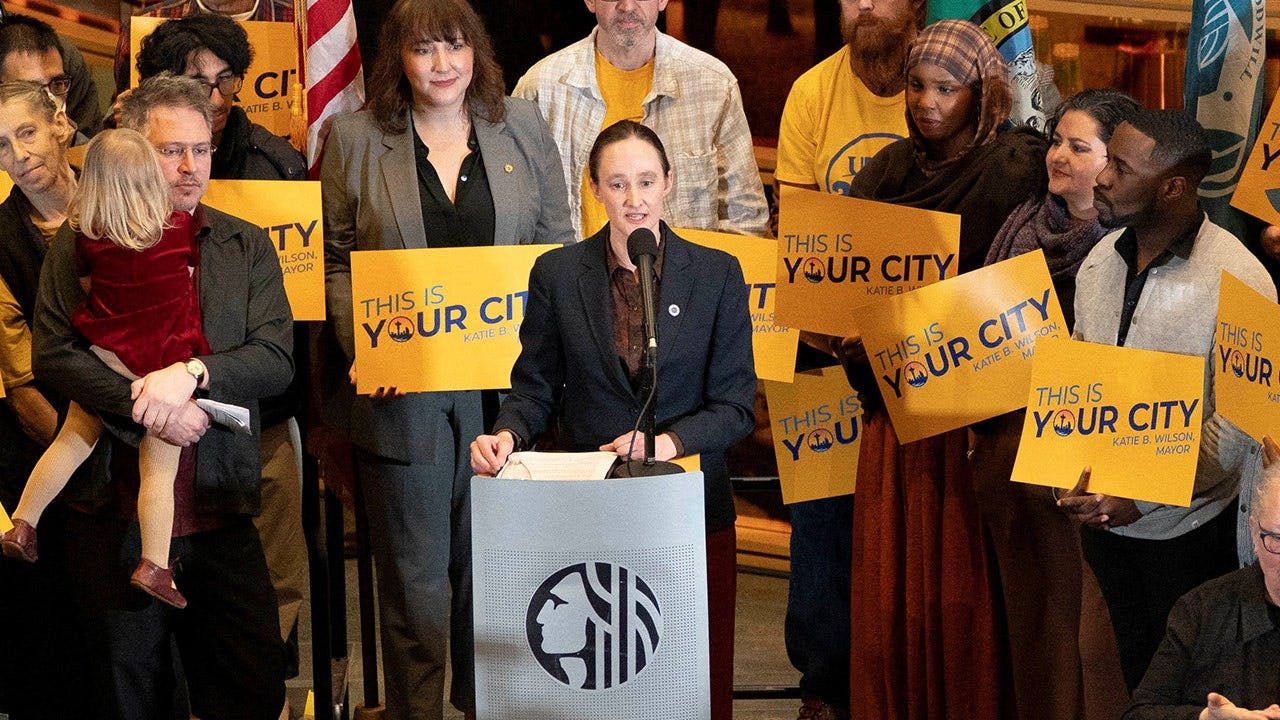
This opinion piece by Ted Jenkin, a Certified Financial Planner, critiques proposals associated with democratic socialist candidates and leaders, arguing that voters should ask how such programs would be funded. It lists policy proposals gaining attention—government-funded childcare, free public transit, city-owned grocery stores, tuition‑free college, universal healthcare, rent freezes, expanded public housing, and higher taxes on the wealthy—and cites local examples in New York City and Seattle. The author states the United States carries nearly $40 trillion in national debt, runs annual deficits in the trillions, and faces rapidly rising interest costs, and contends that adding new spending without clear funding plans risks crowding out investment and imposing obligations on future taxpayers. The piece urges politicians to publish multi‑year funding plans, specify cuts if revenues fall short, and be transparent about long‑term fiscal trade-offs.
Biblical Reflection
The article raises a valid and important civic concern: public promises carry costs and leaders should be accountable about funding and long‑term trade‑offs. Asking “How will you pay for it?” aligns with biblical principles of stewardship and honesty. At the same time, the piece is an opinion column on a conservative news platform and emphasizes fiscal risk and incentive effects while giving limited attention to moral arguments for protecting vulnerable people, evidence about economic outcomes from specific programs, or alternative revenue and cost‑containment designs. Christian discernment here requires holding two truths together: mercy and justice demand public care for the poor and vulnerable, while stewardship and truth require realistic, transparent planning. Be alert to framing that treats fiscal prudence as the sole or final moral test; likewise, be cautious of rhetoric that dismisses all public solutions as necessarily growth‑stunting. Christians should press for truthful accounting, honest trade‑offs, and policies that pursue both compassion and sustainable stewardship.
Scripture in context
This outlook does not yet include contextual Scripture citations. Do not treat a general biblical theme as an exegetical conclusion.
Faithful Response
No prescribed response is offered. Consider the reflection prompts below in your own church context.
Reflection and Discussion
- 1Does the author treat fiscal restraint as the only moral consideration, and what moral responsibilities toward the poor are underemphasized?
- 2What economic assumptions about incentives, growth, and costs are being taken for granted, and how might different assumptions change the conclusion?
- 3Are leaders offering specific, multi‑year funding plans and trade‑offs, or primarily making promises without durable accountability?
Sources
Reporting links are evidence inputs; Sanctuary News' biblical reflection is commentary.
This outlook currently relies on fewer than two linked sources. Broaden verification before teaching from it.
- 1.Original reportprimary