News Summary
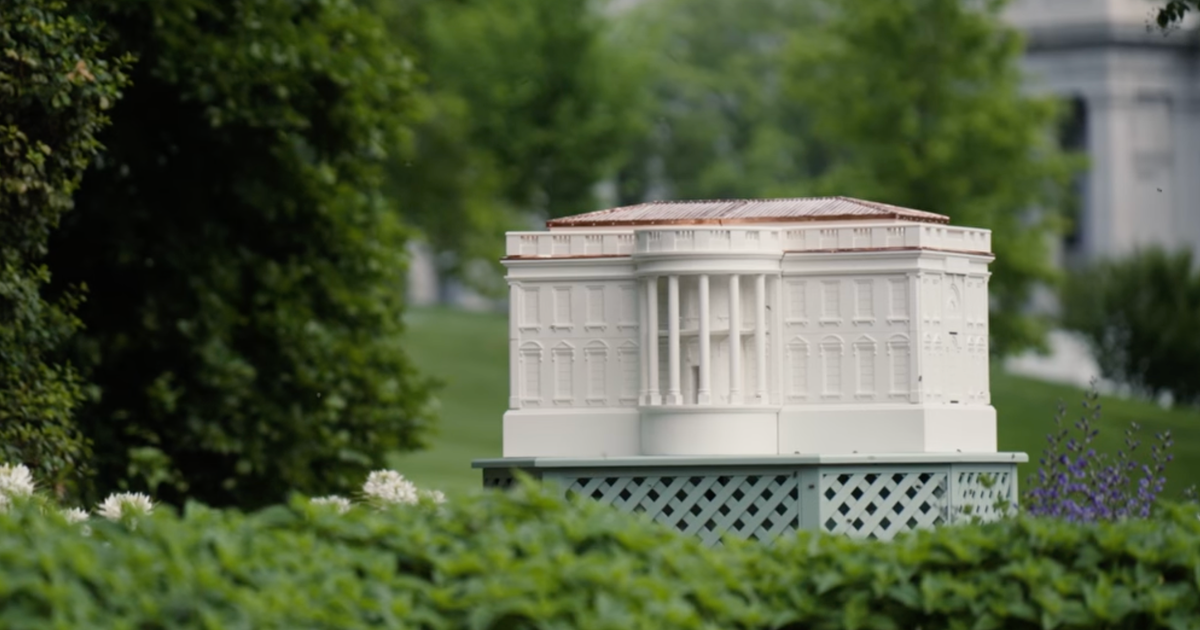
On April 24, 2026, the White House announced that First Lady Melania Trump installed a new, functioning beehive shaped like the White House on the South Lawn. The hive, designed by Executive Residence staff and mounted on a base handcrafted by a Virginia artisan, adds two bee colonies to the existing two on the grounds. The expansion is funded by the Trust for the National Mall and is expected to increase honey production by about 30 pounds per year. White House hives currently produce roughly 200 or more pounds of honey in a productive year; during peak summer months hive populations reach about 70,000 bees. The honey is used by Executive Residence chefs and donated to local food kitchens. The White House says its beekeeping program began in 2009, and the on-site carpenter had kept bees as a hobby prior to the program’s formal start.
Biblical Reflection
This is a small, tangible example of caretaking of creation and local food support. From a Christian perspective the installation reflects two positive impulses: stewardship of the environment and practical charity (honey used in the residence and donated to food kitchens). The story is presented as a human-interest, goodwill item and functions partly as public image-building for the First Lady and the White House. Readers should note that feel-good coverage can obscure bigger policy questions—such as regional agricultural practices, pesticide use, or broader food-security efforts—that a single symbolic act does not address. Biblically, caring for creation and sharing food are consonant with Christian ethics (we are to tend the earth and care for the needy). At the same time Scripture calls for discernment about motives (are acts done for genuine service or for self-promotion?) and for justice-informed action that goes beyond symbolic gestures to systemic care for neighbors and creation.
Scripture in context
This outlook does not yet include contextual Scripture citations. Do not treat a general biblical theme as an exegetical conclusion.
Faithful Response
No prescribed response is offered. Consider the reflection prompts below in your own church context.
Reflection and Discussion
- 1Does this story primarily celebrate stewardship and charity, or does it function more as image-making for the White House? How does that affect your reading of it?
- 2What larger environmental or food-security issues are not mentioned here that Christians should still be attentive to?
- 3How can symbolic acts of care (like donating honey) be joined with sustained, systemic efforts to serve neighbors and steward creation?
Sources
Reporting links are evidence inputs; Sanctuary News' biblical reflection is commentary.
This outlook currently relies on fewer than two linked sources. Broaden verification before teaching from it.
- 1.Original reportprimary