News Summary
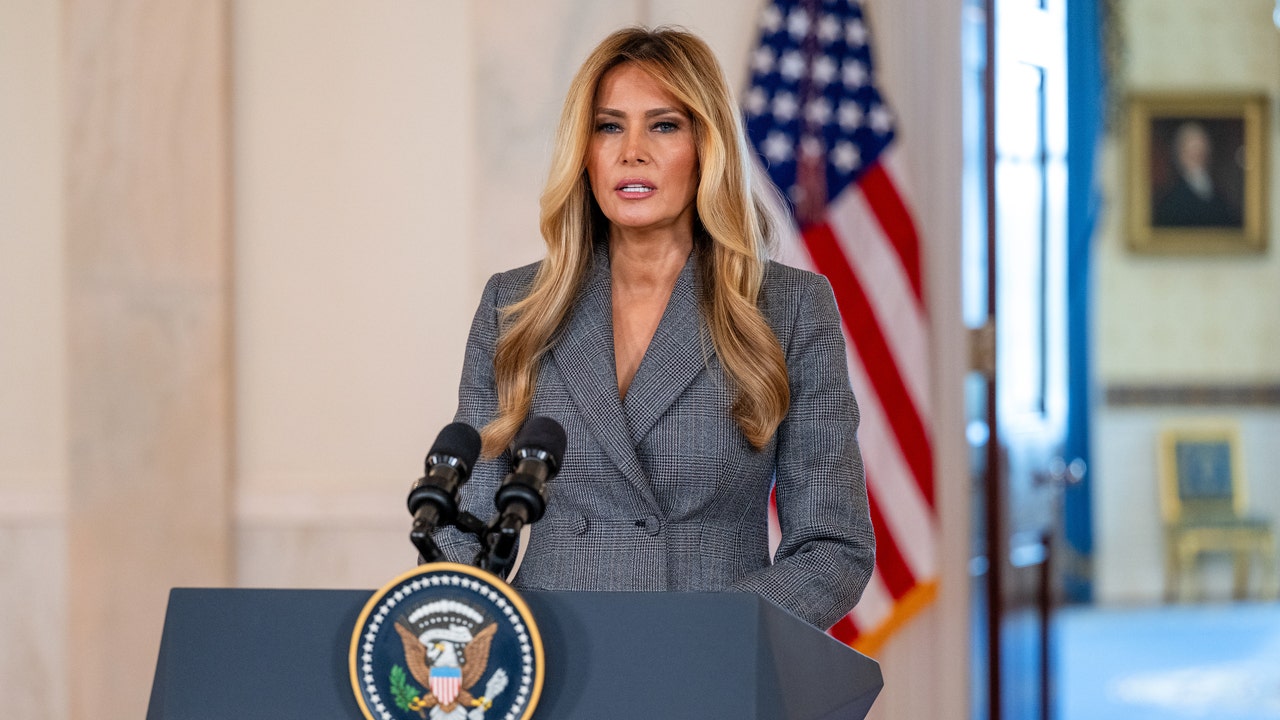
On April 9, 2026, First Lady Melania Trump delivered a roughly three-minute statement in the White House Grand Foyer denying any personal relationship or involvement with Jeffrey Epstein or Ghislaine Maxwell. She said a reply to an email from Maxwell was casual and characterized multiple circulating images and stories tying her to Epstein as false and politically motivated ‘smears.’ Melania Trump stated she was never Epstein’s victim, never on his plane, never on his island, and that Epstein did not introduce her to Donald Trump; she said her lawyers had successfully fought false claims. Reporters were not informed of the topic in advance and she did not take questions. The remarks followed public releases of documents and correspondence referencing Maxwell and others. Media outlets and politicians reacted variably: some noted the timing raised questions; Rep. Robert Garcia called for a public hearing, while other officials involved in Epstein-related oversight have taken differing stances about further investigation. The Fox News article presenting these facts is an opinion-style piece by Howard Kurtz that frames the statement as a surprise moment and situates it amid ongoing political and media attention to Epstein-related materials.
Biblical Reflection
From a Christian perspective, this story raises two consistent moral concerns: the pursuit of truth and the protection of the vulnerable. The First Lady’s public denial, if truthful, is a legitimate defense of reputation; Scripture supports honest speech and defending the innocent (Proverbs 12:17; Ephesians 4:25). At the same time, allegations connected to sexual abuse and trafficking concern real victims whose dignity and need for justice must not be overshadowed by partisan tactics, media spectacle, or attempts to simply extinguish public scrutiny. The article—and much public coverage—mixes factual reporting, opinion, and political framing. Readers should note potential biases: the outlet’s tone and the column’s commentary emphasize surprise and political implications, which can shift focus from victims to reputation fights and scoring points. Christians should therefore practice discernment: seek verified facts rather than rumors or doctored images; avoid amplifying unsubstantiated accusations or participating in character assassination; and uphold both justice for alleged victims and the biblical principle of presumed innocence until proven otherwise. Prayerful attention is also warranted for how institutions, media, and political actors handle allegations—are they pursuing truth and care, or using circumstances for advantage? Ultimately, the gospel calls us to love truth and love people: defend the wrongfully accused, advocate for the harmed, and pursue honest processes that honor both justice and mercy.
Scripture in context
This outlook does not yet include contextual Scripture citations. Do not treat a general biblical theme as an exegetical conclusion.
Faithful Response
No prescribed response is offered. Consider the reflection prompts below in your own church context.
Reflection and Discussion
- 1How does the timing and venue of a public statement affect how we evaluate its credibility and motive—are we giving political framing priority over factual clarity?
- 2When coverage mixes allegation, opinion, and partial documents, what standards should Christians use to distinguish between verified facts, rumor, and smear?
- 3Are we holding both the reputation of the accused and the testimony of alleged victims with equal seriousness, pursuing truth and care rather than partisan advantage?
Sources
Reporting links are evidence inputs; Sanctuary News' biblical reflection is commentary.
This outlook currently relies on fewer than two linked sources. Broaden verification before teaching from it.
- 1.Original reportprimary