News Summary
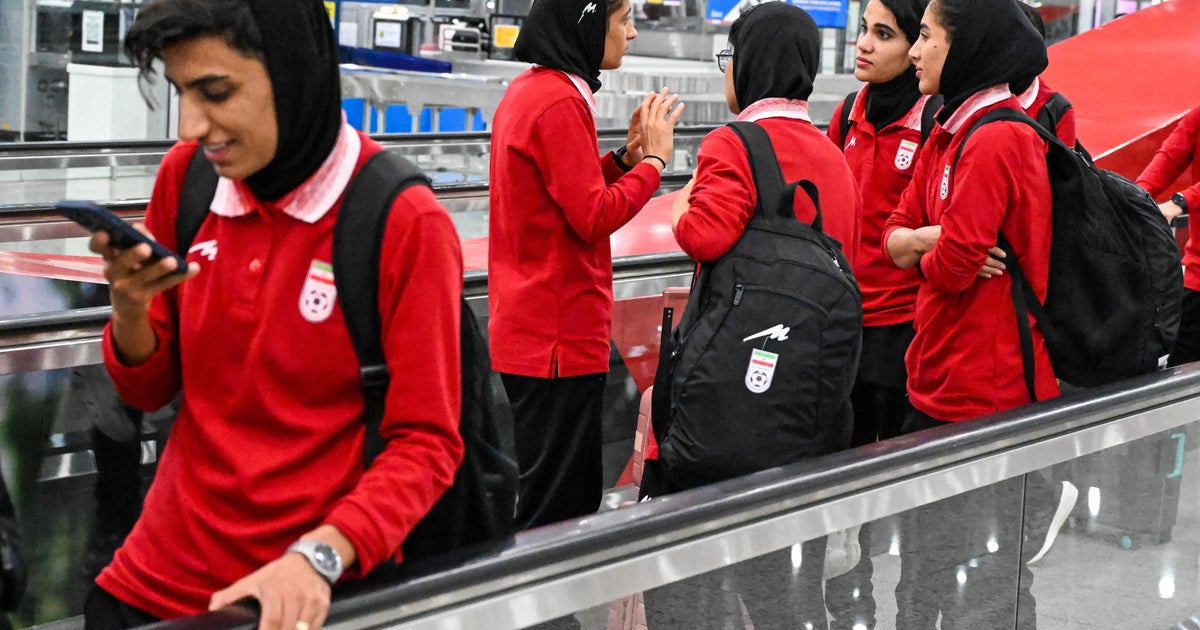
After Iran's women's national soccer team was eliminated from the Women's Asian Cup in Australia, seven members of the squad initially accepted refugee (protection) visas to stay in Australia. The full squad had flown from Sydney to Kuala Lumpur on March 10, leaving behind six players and one support staffer who had accepted protection visas. Since then, four of those players and the staffer have rejoined the team in Kuala Lumpur; a fifth player who had accepted asylum has decided to return to Iran, leaving two players still staying in Australia at an undisclosed safe location. No official reasons were given for the changes of heart, though members of the Iranian diaspora in Australia and observers allege pressure from Tehran and possible messaging from the support staffer who left Australia. Asian Football Confederation officials say they have not received direct complaints from returning players and that the team appears in good spirits while awaiting travel arrangements back to Iran. Australian government officials describe the situation as complex and continue to offer support to the two remaining asylum-seekers. Iranian state media framed the returning players as choosing family and homeland, and Iranian authorities hailed the decisions as a political victory. The episode has raised concerns about safety for the players (particularly after reports they did not sing the Iranian national anthem), the potential for coercion or propaganda, and the broader diplomatic tensions between Australia and Iran following earlier incidents and expulsions of diplomats.
Biblical Reflection
From a biblical perspective there are several layers to consider. First, Scripture consistently calls believers to welcome and protect the vulnerable and the stranger (e.g., Matthew 25:35; Leviticus 19:34). Young athletes seeking asylum are a concrete example of people in need of protection; a Christian response should include compassion, hospitality, and advocacy for their safety rather than partisan triumphalism. Second, the story reveals how fear, family ties, and political pressure can shape decisions. The Bible shows compassion for those who make hard, fearful choices (Psalm 34:18; Romans 12:15), while also calling communities to pursue justice and speak for those who cannot safely speak for themselves (Proverbs 31:8–9). Third, the political and propagandistic uses of human lives—when regimes or media celebrate or shame decisions to advance narratives—must be named and resisted. Scripture warns against exploiting the weak and calls leaders to shepherd with integrity (Ezekiel 34; Micah 6:8). Finally, Christians should resist turning refugees into mere symbols for partisan victory or defeat. The gospel asks us to see people first as image-bearers of God, not only as pawns in a geopolitical contest. Practically, that means praying for the women and their families, supporting safe options, seeking the truth about threats they may face, and caring for those who remain displaced. We should mourn the fear that drove some back, advocate for justice where persecution exists, and maintain dignity and empathy for all involved.
Scripture in context
This outlook does not yet include contextual Scripture citations. Do not treat a general biblical theme as an exegetical conclusion.
Faithful Response
No prescribed response is offered. Consider the reflection prompts below in your own church context.
Reflection and Discussion
- 1When I hear reports of refugees or asylum-seekers, do I first think about policies and politics or about people in need? How might that shape my response?
- 2How can I pray for and support vulnerable people (like these athletes) in practical ways without feeding partisan narratives or exposing them to further harm?
- 3Where do I see fear or pressure influencing decisions around me, and how can I respond with both truth and compassion?
Sources
Reporting links are evidence inputs; Sanctuary News' biblical reflection is commentary.
This outlook currently relies on fewer than two linked sources. Broaden verification before teaching from it.
- 1.Original reportprimary