News Summary
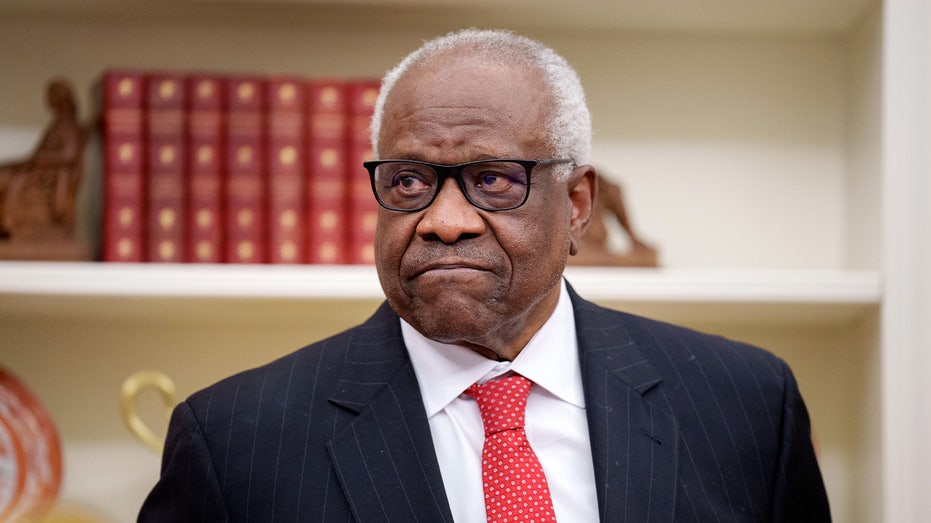
Reported facts: The Fifth Circuit will rehear a felon-in-possession case. The article attributes the rehearing to Justice Clarence Thomas' public questioning of Congress' Commerce Clause authority to regulate gun possession. Attributed/evaluative claims: Fox News describes this as the first major court test of Thomas' constitutional argument against the federal gun-possession law. Uncertainties: the article does not provide the case name, specific court orders or opinions, briefing details, or confirmed legal outcomes; it does not show whether other courts have tested the same argument.
Source and Framing Analysis
The report is sourced to a single Fox News item and presents an evaluative frame ("first major court test") that elevates the importance of Justice Thomas' argument. The piece states procedural fact but lacks direct court documents, case identifiers, or independent corroboration; it also does not include perspectives from the Justice Department, defense counsel, or legal scholars. That limited sourcing and evaluative language meaningfully affect how confidently readers can treat the claim that this is the "first" major test or how consequential the rehearing will be.
Biblical Reflection
This development invites Christians to hold two commitments at once: fidelity to just authorities and compassion for persons harmed by crime. Romans encourages respect for governing structures while the Gospels call Christians to care for the weak and endangered. If a court were to narrow federal power over gun possession, that legal shift would not eliminate obligations to protect neighbors — it would change which institutions and levels of government bear responsibility.
We should watch legal developments without assuming either that judicial skepticism of federal authority is inherently virtuous or that an expanded federal reach is automatically just. Biblical wisdom asks us to test claims against justice, mercy, and humility. Those who preach or advocate should avoid reducing complex constitutional law to partisan talking points; instead, steer public conversation toward practical protections for people at risk and thoughtful reforms that respect constitutional limits.
Practically, Christians should pursue informed civic participation: seek reliable reporting and primary documents, pray for wisdom for judges and policymakers, support community-level violence-prevention efforts, and advocate for laws that balance liberty with neighbor-care. In all responses, prioritize truthful assessment, humble listening, and concrete care for those most affected by gun violence.
Scripture in context
- 1Romans 13:1-7 — Paul’s letter to Christians in Rome instructs believers about the role of governing authorities in maintaining order and punishing wrongdoing; it addresses how Christians should relate to rulers in a pagan-dominated political order. — This passage reminds Christians that civil authority has a place in restraining harm and administering justice; constitutional debates about the proper scope of government power must be weighed against the responsibility of authorities to protect the community and the believer’s call to lawful, peaceful conduct.
- 2Luke 10 (Good Samaritan) — Jesus tells a parable to define 'neighbor' as anyone in need — crossing social, legal, and ethnic lines — and emphasizes active compassion rather than mere legal observance. — The story focuses Christian attention on concrete care for those harmed or vulnerable; legal reforms or restrictions should be evaluated by whether they leave real people better guarded and helped, not merely whether they conform to abstract principles.
Faithful Response
Pray for judges, litigants, lawmakers, victims, and communities affected by gun violence.
Seek primary sources: read the court order, opinions, and briefs before forming strong public judgments.
Support local violence-prevention and reentry programs that reduce harm and wrongful recidivism.
Engage respectfully with elected officials to encourage policies that balance constitutional limits with effective public-safety measures.
Reflection and Discussion
- 1In light of Scripture’s call to protect the vulnerable, where should Christians look first when a change in law might affect public safety?
- 2How do we balance respect for constitutional limits on power with urgent needs for neighbor protection and community safety?
- 3What practical ministries can our church strengthen so legal shifts do not leave at-risk people without care?
Sources
Reporting links are evidence inputs; Sanctuary News' biblical reflection is commentary.
This outlook currently relies on fewer than two linked sources. Broaden verification before teaching from it.
- 1.Clarence Thomas' constitutional argument against federal gun law gets first major court testprimary_reporting