News Summary
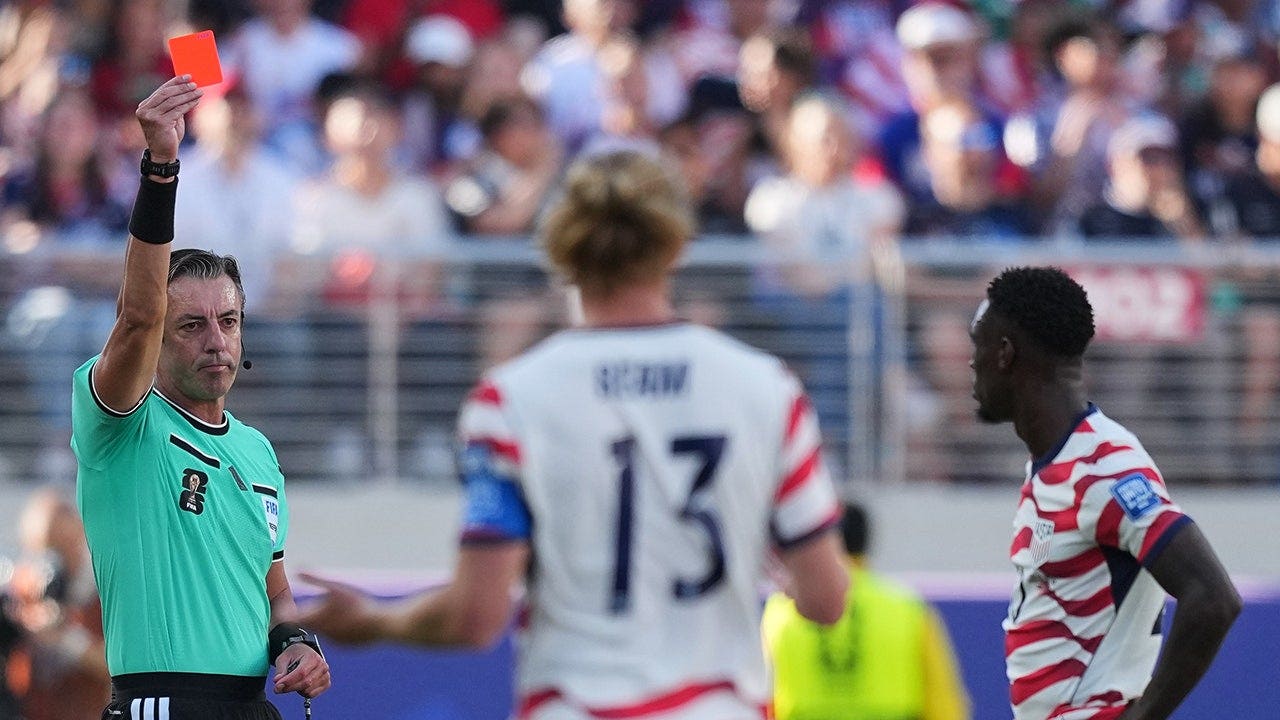
Folarin Balogun was shown a red card after a VAR-reviewed incident in the United States' World Cup match against Bosnia and Herzegovina, an offense that normally triggers an automatic one-match suspension. FIFA invoked Article 27 of its disciplinary code to suspend implementation of the automatic ban for a one-year probationary period, making Balogun eligible to play in the following round; the suspended sanction can be activated if he receives another red card during probation. Reports say U.S. President Donald Trump called FIFA President Gianni Infantino to urge review; Trump later publicly thanked FIFA for the decision. European federations and officials (including Belgium’s federation and UEFA) criticized the move as improper or unprecedented. The article notes FIFA has previously used similar disciplinary flexibility (citing Cristiano Ronaldo’s 2025 case and other examples) and points to historical instances where red cards did not automatically cause next-match suspensions, while acknowledging that the optics of political intervention have intensified the backlash. U.S. team officials and some opposing coaches expressed that the original red card call was harsh or debatable.
Biblical Reflection
This story sits at the intersection of sport, governance, and public trust. Factually, FIFA relied on an existing provision to delay enforcement of a sanction; the mechanism is not a novel invention for one team. Still, the involvement—or even the perception of involvement—by a national leader magnifies questions about fairness and equity. Christians care about both truth and the appearance of integrity: rules matter, and so does impartial application of those rules. When institutions make discretionary decisions, they must also tend to transparency and equity so that trust is preserved across communities. The article leans toward defending FIFA’s technical basis while downplaying concerns about influence and optics; readers should weigh the legal basis alongside the relational and ethical consequences of perceived favoritism. Grace toward individual actors is appropriate, but that grace should not substitute for accountability in institutions tasked with fair governance.
Scripture in context
This outlook does not yet include contextual Scripture citations. Do not treat a general biblical theme as an exegetical conclusion.
Faithful Response
No prescribed response is offered. Consider the reflection prompts below in your own church context.
Reflection and Discussion
- 1Are governing bodies applying rules consistently, or do high-profile actors receive deference that changes outcomes?
- 2How should institutions balance technical legal discretion with the need to maintain public confidence and avoid the appearance of undue influence?
- 3What does our reaction to this decision reveal about tribal loyalties in sport and how easily we excuse perceived unfairness when 'our' side benefits?
Sources
Reporting links are evidence inputs; Sanctuary News' biblical reflection is commentary.
This outlook currently relies on fewer than two linked sources. Broaden verification before teaching from it.
- 1.Original reportprimary