News Summary
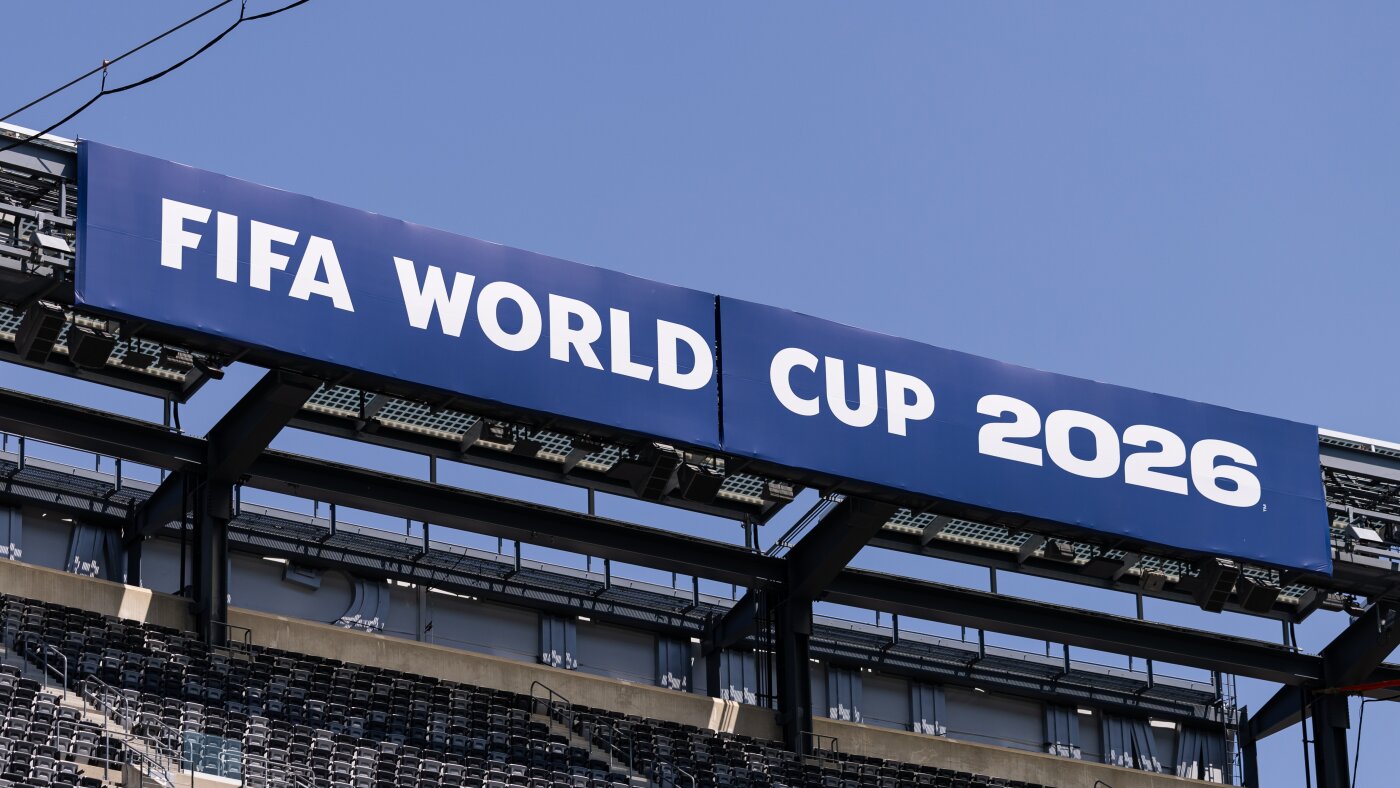
FIFA has finalized where national teams will train during the 2026 FIFA World Cup, which runs June 11–July 19, 2026 and is hosted across the U.S., Canada and Mexico. Sixteen host cities in North America will hold matches; 11 U.S. cities will host games. More than 20 U.S. cities across 19 states will serve as team base camps or training grounds, and FIFA says these bases are expected to generate economic activity and increase fan engagement. Out of the tournament's 48 competitors, 39 teams will be based in the United States. The article lists specific U.S. base locations for many teams (examples: Turkey in Mesa, Ariz.; Australia in Oakland, Calif.; the U.S. team in Irvine, Calif.; Argentina in Kansas City; Brazil in Morris Township, N.J.; England in Kansas City’s Swope Soccer Village; France near Boston; Japan in Nashville’s training center; Spain in Chattanooga; and others). It notes that Canada and Panama will base in Canada; several teams (Colombia, South Korea, Mexico, South Africa, Uruguay and Tunisia) will be based in Mexico. The article also reports that Iran was originally scheduled to train in Tucson, Ariz., but successfully requested to move its base to Mexico after the start of recent hostilities involving Iran, per the report. The piece mentions media coverage plans and notes a halftime-style show planned for the final at MetLife Stadium.
Biblical Reflection
From a Christian perspective, this is largely informational about a global sporting event that will bring people and money into many communities. The story highlights hospitality in a practical form: cities preparing to host international visitors and teams. That can be an opportunity for churches and neighbors to practice welcome and care for guests. At the same time, the article mixes straightforward logistics with geopolitical and commercial details (for example, the note about Iran requesting relocation and the mention of headline entertainers at the final). Readers should notice two things: first, factual precision matters — the phrasing about "the start of the U.S.-Israel war with Iran" is confusing and should be verified against other reporting; second, large events bring both blessing (economic activity, cross-cultural encounters) and risk (security concerns, commercialization, crowding). Christians should be neither naively celebratory nor reflexively suspicious. Instead, hold a posture of discernment: celebrate opportunities for fellowship and cultural exchange, advocate for the safety and dignity of vulnerable people affected by large events, and be wary of reporting that blurs facts with sensational or commercially driven details.
Scripture in context
This outlook does not yet include contextual Scripture citations. Do not treat a general biblical theme as an exegetical conclusion.
Faithful Response
No prescribed response is offered. Consider the reflection prompts below in your own church context.
Reflection and Discussion
- 1Does the article prioritize local convenience and spectacle over clarity about geopolitical risks (for example, the account of Iran's relocation)?
- 2How might this influx of international visitors reveal opportunities for local churches and communities to offer genuine hospitality rather than merely economic benefit?
- 3Are there implicit assumptions in coverage that a big sporting event is an unmitigated good, and what perspectives or costs might be missing from that narrative?
Sources
Reporting links are evidence inputs; Sanctuary News' biblical reflection is commentary.
This outlook currently relies on fewer than two linked sources. Broaden verification before teaching from it.
- 1.Original reportprimary