News Summary
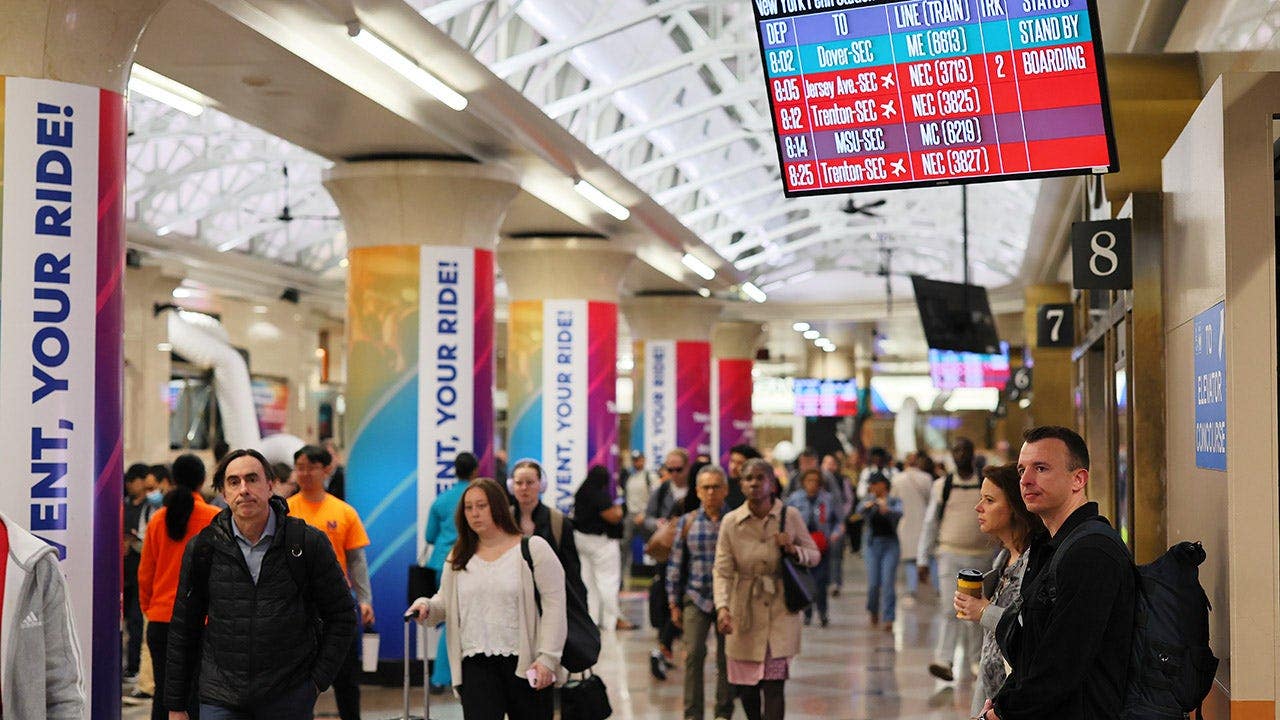
NJ Transit and the FIFA New York New Jersey Host Committee released a Regional Stadium Mobility Plan for the 2026 World Cup that sets special event fares and access rules for matches at MetLife Stadium. The plan includes $150 train tickets for round trips from Penn Station to MetLife Stadium, an $80 shuttle bus option from New York, limits on rideshare opportunities, and restricted access through Penn Station for non-gameday commuters during events. FIFA World Cup COO Heimo Schirgi issued a statement saying the elevated fares will have a "chilling effect," arguing higher prices could push fans to alternate transportation, increase congestion and late arrivals, and reduce the region's economic benefit from hosting matches. New Jersey gubernatorial candidate Governor Mikie Sherrill urged FIFA to cover transit costs; FIFA responded that asking the organization to absorb those costs is "unprecedented," disputed a characterization of FIFA's finances, and noted FIFA operates as a not-for-profit that reinvests revenues into the sport. NJ Transit CEO Kris Kolluri said fare increases were necessary to cover an estimated $48 million cost to NJ Transit and to avoid shifting those costs onto regular commuters. MetLife Stadium is scheduled to host eight matches between June 13 and July 19, 2026.
Biblical Reflection
This story centers on competing responsibilities: ensuring safe, reliable transport for a major international event while fairly allocating costs and preserving access for ordinary commuters. Biblically informed discernment values truth, fairness, and care for neighbors. Questions about who bears financial burdens and how decisions affect vulnerable people are legitimate. If the fare increase truly reflects unavoidable costs, raising prices to prevent regular riders from subsidizing a short-term event can be a responsible stewardship choice. If, however, costs could be mitigated or distributed differently (through public subsidies, host-committee contributions, or alternative pricing structures), then charging disproportionately high fares risks placing an undue burden on attendees and creating access barriers. The article also highlights how public narratives are quickly politicized: each party frames the facts to shift responsibility (FIFA emphasizing access and event logistics; local officials emphasizing taxpayer impacts). Christians should be attentive to rhetoric that simplifies complex trade-offs or assigns blame without full accounting of costs and incentives. We should advocate for transparency, equitable solutions that protect ordinary commuters and local communities, and truthful communication from all parties. Finally, remember that hosting large events should not come at the expense of the common good; decisions should be measured by whether they promote justice, neighborliness, and wise stewardship of shared resources.
Scripture in context
This outlook does not yet include contextual Scripture citations. Do not treat a general biblical theme as an exegetical conclusion.
Faithful Response
No prescribed response is offered. Consider the reflection prompts below in your own church context.
Reflection and Discussion
- 1Who is being asked to bear the direct and indirect costs of this event, and does the public explanation fully account for those cost allocations?
- 2How might political motives or public relations priorities be shaping the way each party frames responsibility and facts?
- 3Does the chosen solution reflect concern for the most vulnerable (commuters, low-income fans, neighborhood residents), and are there alternative models that better balance stewarding public resources and equitable access?
Sources
Reporting links are evidence inputs; Sanctuary News' biblical reflection is commentary.
This outlook currently relies on fewer than two linked sources. Broaden verification before teaching from it.
- 1.Original reportprimary