News Summary
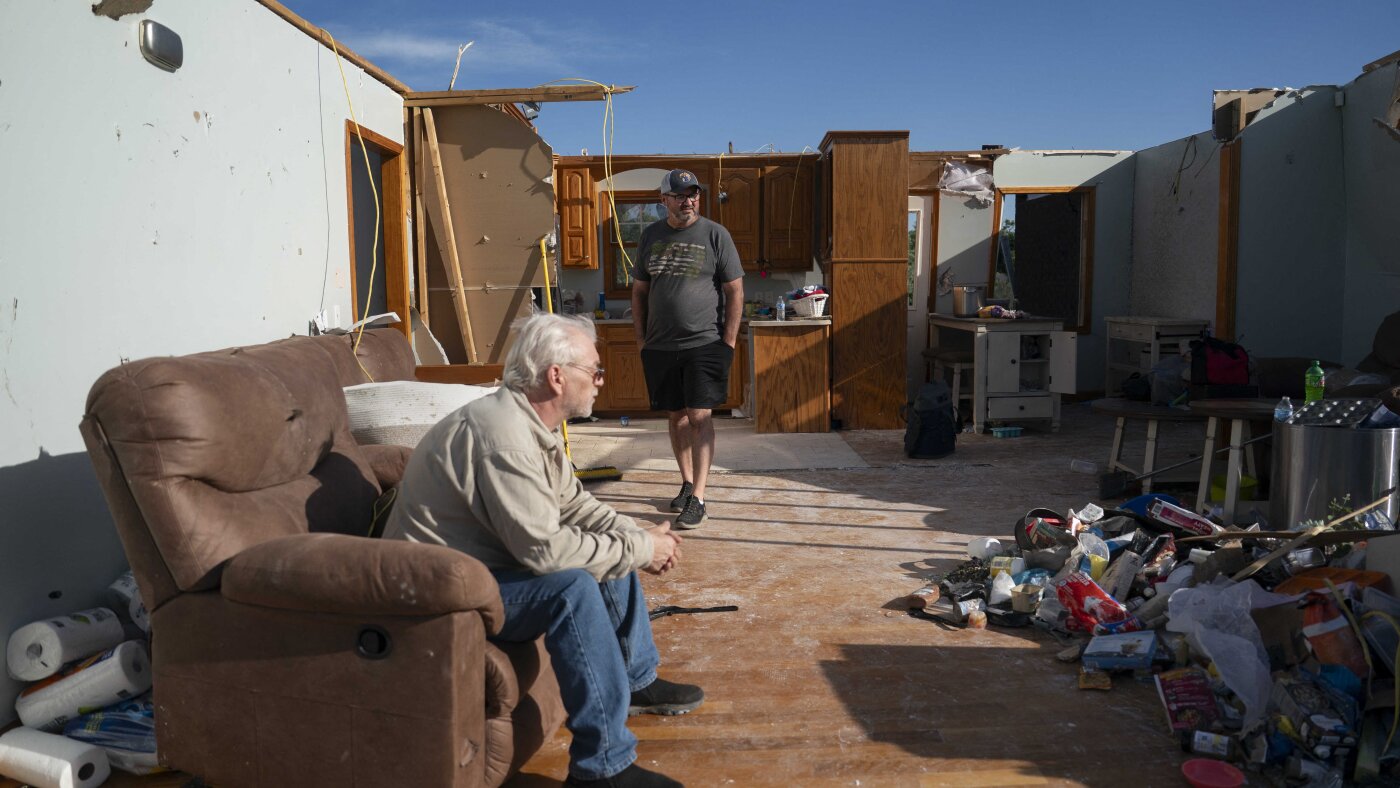
The article reports that 2025 was relatively quieter for extreme-weather disasters in the U.S. (no continental U.S. hurricane landfalls, though wildfires and flooding hit parts of California, Texas and Alaska). Because of that, some homeowners in high-cost, hurricane-prone states — especially Florida — may see modest premium relief as private insurers return and reinsurance costs ease. Nationwide industry forecasts still predict average homeowners insurance premium increases of roughly 3–8%, with the biggest hikes likely in Midwestern states hit by hail and tornadoes. Longer-term upward pressure remains due to climate-driven increases in storm intensity, population growth in risky areas, inflationary rebuilding costs, and insurers’ retreat from the riskiest markets. The piece emphasizes that any short-term easing will likely be muted after several years of large rate increases and that durable solutions will require reconsidering where and how people build and protect property.
Biblical Reflection
Viewed through Scripture, this story raises questions about stewardship, neighbor-love, and long-term wisdom. Prudence and counting the cost (planning, risk management, and pricing) are legitimate and necessary — insurers are not acting immorally when they price risk honestly. At the same time, the widening gap between those who can afford protection and the uninsured reflects a moral problem: communities and public policy must care for vulnerable households who bear disproportionate losses. The Bible calls us to wise planning (counting cost) and to bear one another’s burdens (Galatians 6:2). It also gives a mandate to care for God’s creation (Genesis 2:15), which implies responsibility for practices that reduce harm and for policies that mitigate foreseeable, human-amplified risks. Practically, Christians should pursue a balanced response: (1) exercise personal stewardship by preparing and insuring where possible and making wise housing choices, (2) advocate for fair public policy and community-level mitigation that protects the poor and prevents repetitive loss, and (3) show tangible neighborly compassion — supporting those who are uninsured or underinsured. We must resist simplistic optimism that a single “quiet” year will erase structural risks, and resist scapegoating either insurers or individuals; instead, we should pursue justice, prudence, and care for creation.
Scripture in context
This outlook does not yet include contextual Scripture citations. Do not treat a general biblical theme as an exegetical conclusion.
Faithful Response
No prescribed response is offered. Consider the reflection prompts below in your own church context.
Reflection and Discussion
- 1How am I practising stewardship over the home and resources God has given me — including preparing for foreseeable risks?
- 2Who in my church or neighborhood may be made vulnerable by rising insurance costs, and how can we bear that burden together?
- 3What choices (personal, communal, or political) should Christians support that reflect care for creation and reduce future harm?
Sources
Reporting links are evidence inputs; Sanctuary News' biblical reflection is commentary.
This outlook currently relies on fewer than two linked sources. Broaden verification before teaching from it.
- 1.Original reportprimary