News Summary
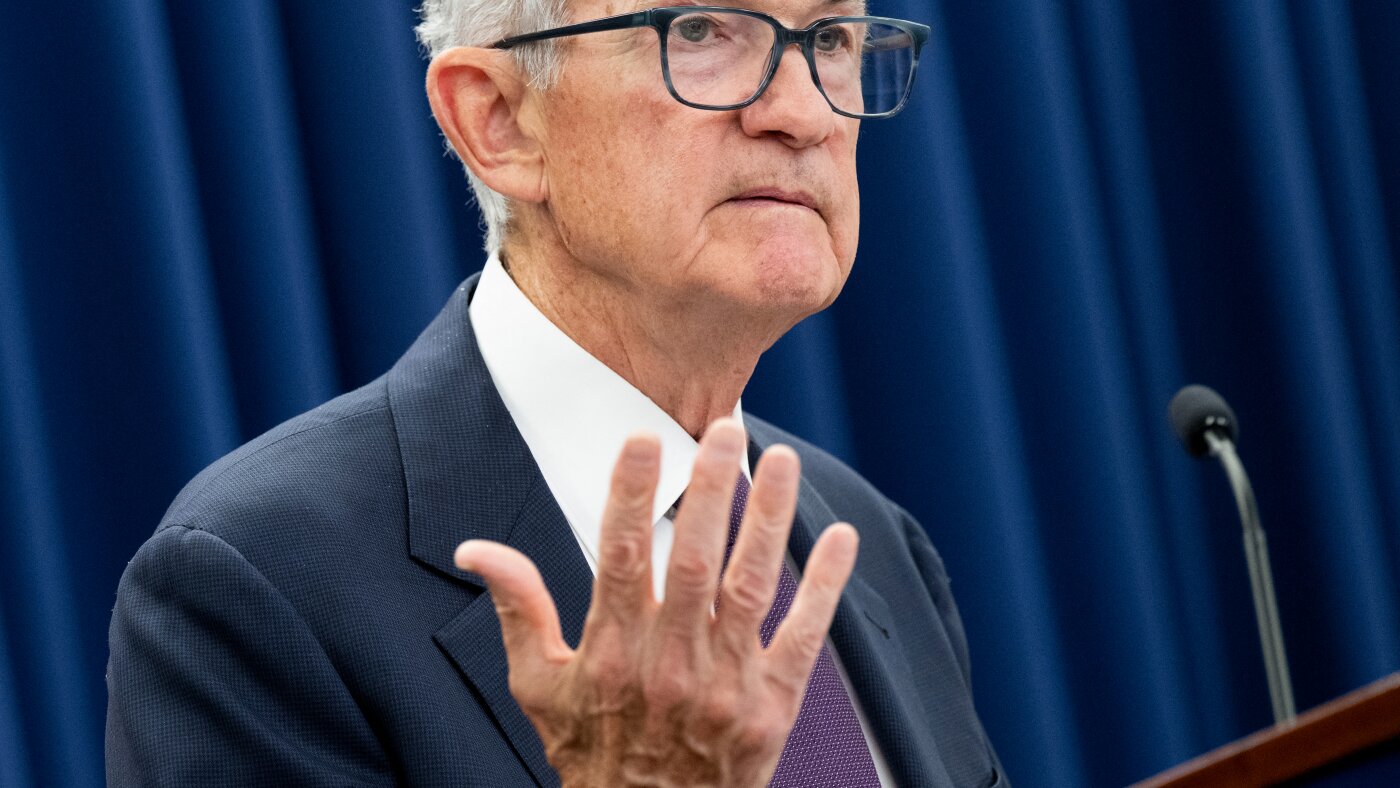
The Federal Reserve is widely expected to hold its benchmark interest rate steady as officials weigh conflicting signals: recent Labor Department data show a softening labor market (92,000 jobs cut in February, unemployment up to 4.4%, downward revisions to prior months), meaning almost no net job growth over six months; at the same time, the war with Iran has disrupted energy markets and pushed gasoline and diesel prices sharply higher, putting upward pressure on inflation. The Fed's preferred inflation measure was 3.1% in January, above the 2% target, and policymakers must revise forecasts that previously projected inflation cooling to 2.5% by year-end. Complicating the monetary policy outlook is political uncertainty: Jerome Powell’s term as Fed chair ends in May, President Trump has nominated Kevin Warsh as his replacement, and Sen. Thom Tillis has threatened to block confirmation pending the Justice Department dropping a criminal probe into the Fed. A federal judge recently quashed two DOJ subpoenas to the Fed, calling them improper. Powell could remain as chair longer or stay on the Fed board through 2028. Analysts say the twin shocks—a weakening jobs picture and higher energy costs from the Iran war—have scrambled policy outlooks and heightened the Fed’s balancing act between supporting employment and containing inflation.
Biblical Reflection
From a biblical perspective, this story highlights several moral and spiritual concerns. First, the Fed’s role in stewarding the nation’s economic life is a serious responsibility: Scripture commends wise, humble stewardship and honest governance (Micah 6:8; Proverbs on honest scales). The policymakers’ attempt to balance employment and price stability can be seen as a form of stewardship that seeks the common good. Second, the piece points to the vulnerability of ordinary people—workers losing jobs and families feeling the squeeze of higher fuel and transport costs. Scripture repeatedly calls the community to care for the vulnerable (e.g., James 1:27, Isaiah 58), so Christians should measure economic policy not only by abstract targets but by its human impact and by concrete care for those harmed. Third, the political pressure and legal probes aimed at the Fed raise questions about the integrity and independence of institutions. The Bible warns against using power to coerce or manipulate leaders for self-interest (Proverbs 29:2; Isaiah 10:1–2); defending institutional integrity and due process is part of loving one’s neighbor and preserving justice. Finally, there is a pastoral reminder: economic anxiety can tempt people to place ultimate trust in markets, leaders, or partisan promises rather than in God. Christians are called to prudent engagement—advocating for just policies, supporting those in need, and praying for leaders—while remembering God’s sovereignty over nations and provision for the poor. In short: honor wise stewardship, resist politicization that damages institutions, tend to the vulnerable, and keep ultimate trust in God rather than economic certainty.
Scripture in context
This outlook does not yet include contextual Scripture citations. Do not treat a general biblical theme as an exegetical conclusion.
Faithful Response
No prescribed response is offered. Consider the reflection prompts below in your own church context.
Reflection and Discussion
- 1Where do I place my trust when economic news causes fear—institutions, politicians, or God—and how does that shape my daily decisions?
- 2How can my church or community practically support people affected by job losses and rising costs in this economic moment?
- 3Am I attentive to signs of political pressure or injustice in public life, and will I pray and act for integrity and wise stewardship in our institutions?
Sources
Reporting links are evidence inputs; Sanctuary News' biblical reflection is commentary.
This outlook currently relies on fewer than two linked sources. Broaden verification before teaching from it.
- 1.Original reportprimary