News Summary
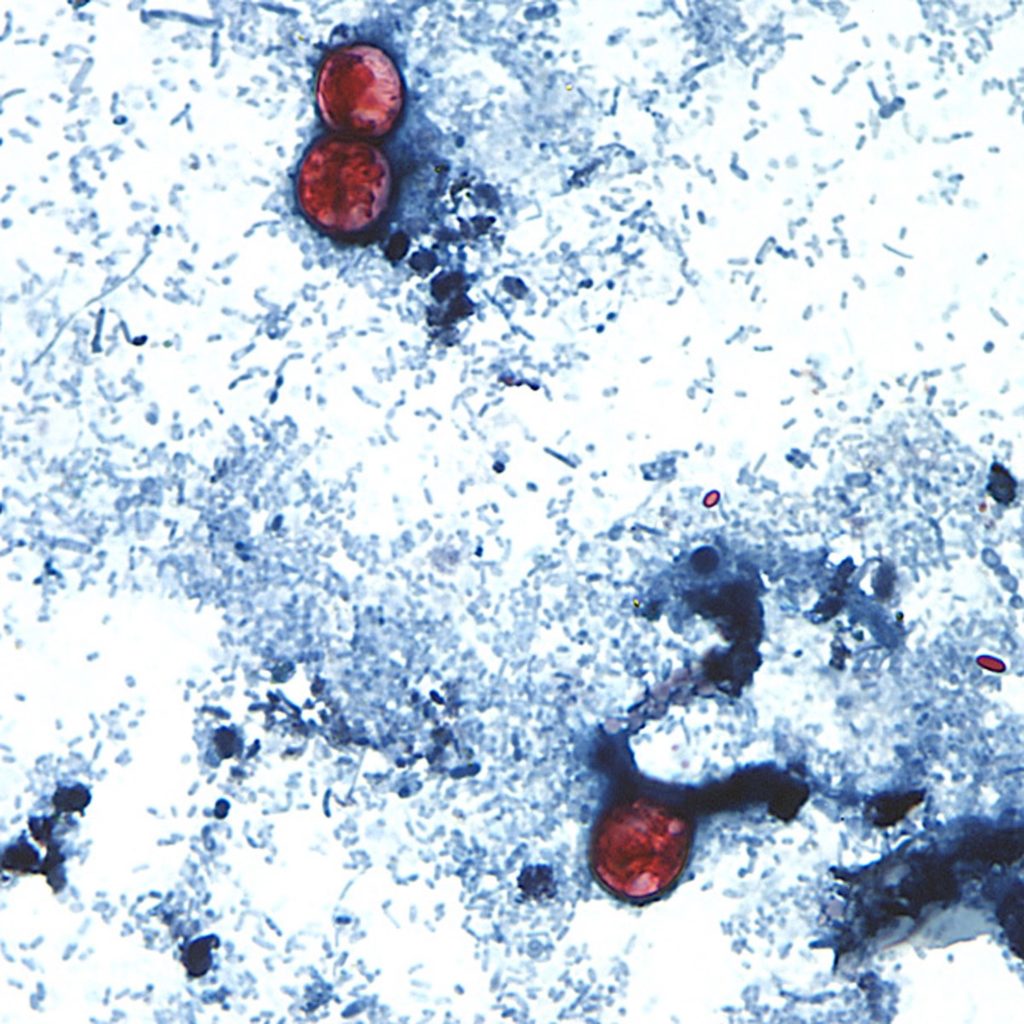
Reported facts: PBS NewsHour reports federal officials investigating a multistate cyclosporiasis outbreak linked to lettuce and cites a possible nationwide case count exceeding 7,000; the FDA later said a previously reported positive Cyclospora test on a Taylor Farms lettuce sample was a false positive. Attributions and uncertainty: PBS attributes analysis and commentary to public-health officials and features a discussion with Dr. Katelyn Jetelina; the precise source of contamination and the full geographic and epidemiologic details remain unresolved.
Source and Framing Analysis
Material uncertainties that affect the story include the single-source nature of the supplied reporting (PBS) and the highlighted false-positive test result, which complicates a clear linkage between a specific producer and the outbreak. The article is framed around emerging confusion and investigation rather than definitive findings, appropriately signaling uncertainty. Missing details that would materially affect interpretation include independent confirmation of case counts, the distribution of cases by state, hospitalization or death data, and laboratory protocols used in testing.
Biblical Reflection
Public health crises require both clear-eyed attention to facts and compassionate care for those affected. The article reports an ongoing investigation with significant uncertainty: large case counts, a tentative link to lettuce, and a noted false-positive test result. Christians are called to seek truth and to attend to neighborly care. That means encouraging accurate public information, supporting those who are ill or furloughed because of the outbreak, and advocating for transparent, rapid testing and recalls when necessary.
At the same time, we should resist fear-fueled judgment or rumor about producers or regions before investigations conclude. The discovery of a false positive underscores the limits and fallibility of testing and reporting; humility and patience are warranted while experts complete their work. We can pray for investigators to have wisdom and for communities to respond with both precaution and mercy toward workers and families affected by the outbreak.
Scripture in context
- 1Ephesians 4:15 — Paul instructs the Ephesian church on how members should speak and relate to one another — growing together in maturity by speaking truth in love rather than tearing each other down. — This passage encourages Christians to balance truthful, well-informed communication about public dangers with compassion; it warns against careless speech that harms others and encourages speaking in ways that build up community and lead to constructive action.
Faithful Response
Pray for wisdom for investigators, for healing for those who are ill, and for protection for vulnerable populations (e.g., immunocompromised).
Rely on official public-health guidance for personal precautions (wash produce, follow recalls) and avoid sharing unverified claims that could harm workers or businesses.
Offer practical help to affected neighbors—meals, transport to clinics, financial support—especially to those working in food production who may be economically vulnerable during recalls or investigations.
Encourage local churches to coordinate with public-health agencies to share accurate information and host support resources if needed.
Reflection and Discussion
- 1How does the presence of uncertainty in public-health reporting shape the way I should evaluate and share information as a Christian?
- 2Where can my congregation or community practically offer care and support to people affected by foodborne illness without spreading unverified claims?
Sources
Reporting links are evidence inputs; Sanctuary News' biblical reflection is commentary.
This outlook currently relies on fewer than two linked sources. Broaden verification before teaching from it.
- 1.Test results create more confusion around cyclosporiasis outbreakprimary_reporting