News Summary
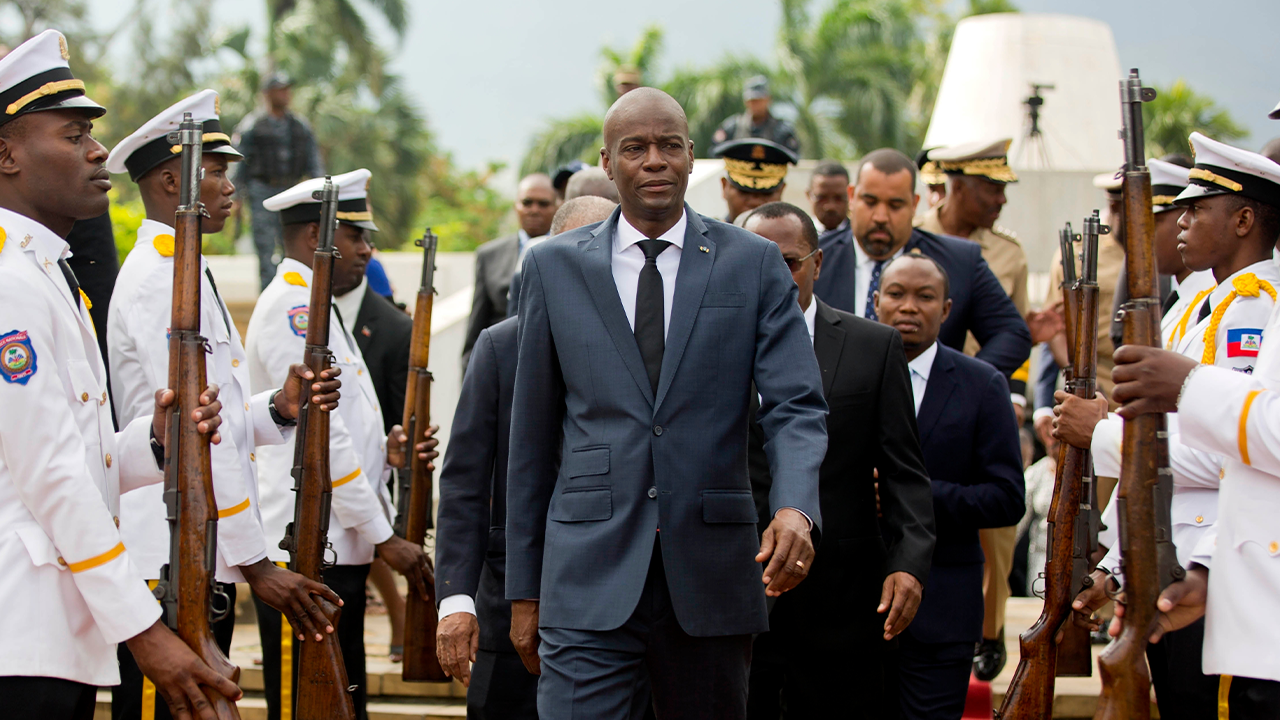
A federal jury in Florida convicted four men — Arcangel Pretel Ortiz, Antonio Intriago, Walter Veintemilla and James Solages — for their roles in the July 7, 2021, assassination of Haitian President Jovenel Moïse. The men were found guilty of conspiracy to kill or kidnap, providing material support, and violating the U.S. Neutrality Act; they face potential life sentences. U.S. prosecutors said the plot was financed and planned from South Florida, identifying a Miami-area security firm (Counter Terrorist Unit, CTU) run by Ortiz and Intriago and a South Florida lending group headed by Veintemilla as involved. Prosecutors said conspirators intended to remove Moïse and install Christian Sanon as leader for financial gain. Martine Moïse, the president’s widow, testified about the attack in which gunmen — largely Colombian nationals — killed the president and wounded her; she was later flown to the U.S. for treatment. Defense lawyers argued their clients believed they were executing a legitimate Haitian arrest warrant and were manipulated into culpability. The Florida convictions add to other U.S. convictions and guilty pleas related to the case; separately, at least 20 people in Haiti, including 17 Colombians, face charges in Haitian courts.
Biblical Reflection
From a Christian perspective this story shows both the reality of human sin — ambition, greed, and violence — and the limited but important role of earthly justice. The convictions indicate that actions planned on U.S. soil can be investigated and prosecuted here, which is an aspect of accountability. At the same time, legal verdicts do not erase the broader political breakdown, suffering, and ongoing violence in Haiti nor do they fully address the sorrow of victims and a nation in turmoil. Media accounts often highlight the dramatic elements (mercenaries, Florida planning hub, courtroom scenes) and may understate deeper Haitian political context, historical grievances, and structural causes of instability. Christians should note two tensions: (1) a desire for truthful accountability and lawful justice (Romans 13:1–4), and (2) the calling to compassion, lament, and pursuit of long-term reconciliation and healing (Matthew 5:7; 2 Corinthians 1:3–7). Beware of simplistic narratives that reduce complex national tragedies to single motives or that stoke geopolitical finger-pointing without evidence. Pray for transparent legal process, for protection and provision for Haitian civilians, and for leaders who will steward power with humility and justice.
Scripture in context
This outlook does not yet include contextual Scripture citations. Do not treat a general biblical theme as an exegetical conclusion.
Faithful Response
No prescribed response is offered. Consider the reflection prompts below in your own church context.
Reflection and Discussion
- 1Which perspectives are missing in the article — particularly Haitian political history, local voices, and root causes — and how does their absence shape your understanding of responsibility and remedy?
- 2How does emphasizing planning that occurred in South Florida affect perceptions of U.S. complicity or responsibility, and what evidence would you look for before drawing conclusions about systemic involvement?
- 3Does a criminal conviction satisfy the moral demand for justice in cases of political assassination, or does true restoration require broader political reform, reconciliation, and care for victims?
Sources
Reporting links are evidence inputs; Sanctuary News' biblical reflection is commentary.
This outlook currently relies on fewer than two linked sources. Broaden verification before teaching from it.
- 1.Original reportprimary