News Summary
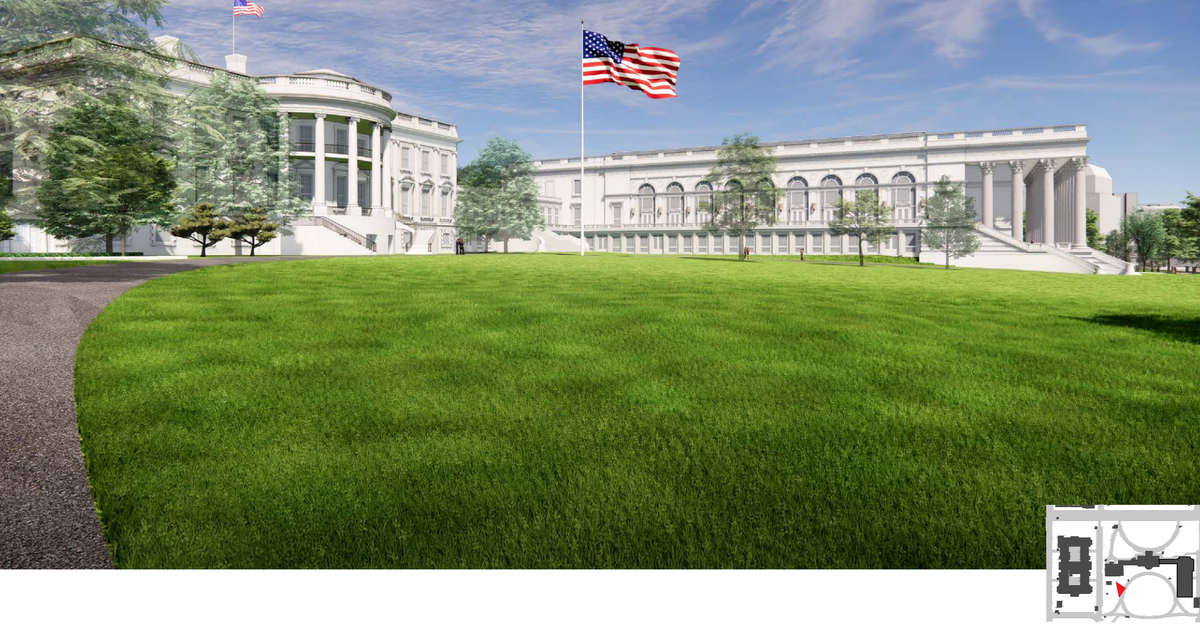
A federal judge, U.S. District Judge Richard Leon, issued a ruling temporarily blocking construction of a 90,000-square-foot ballroom the Trump administration is building to replace the White House East Wing. The injunction will take effect in 14 days; the administration intends to appeal. The National Trust for Historic Preservation sued in December, arguing the administration failed to follow federal guidelines before demolishing the East Wing and questioned the project's funding mechanism. Judge Leon concluded the preservation group's lawsuit was likely to succeed on the merits, finding that the statutes the government cited do not grant the President the authority claimed and that three federal laws give Congress—rather than the President—authority over funding and alterations to federal property. Leon also criticized the private-funding arrangement, which involved donations collected by a nonprofit, transferred to the National Park Service, and deposited into an account controlled by the President, calling the mechanism a “Rube Goldberg” device. The administration has said the $400 million project is funded largely by private donations (which Mr. Trump says include corporations such as Lockheed Martin, Amazon, and Microsoft) and defended the ballroom as consistent with past White House alterations. The project was announced last summer; by September the East Wing had been torn down. A panel of the U.S. Commission of Fine Arts approved the plan last month. The National Park Service estimated construction could finish by mid-2028. Supporters of the lawsuit, including preservation groups and some Democrats, say the project proceeded without adequate public input; the administration says the ballroom is a useful addition. Judge Leon urged that Congress could still authorize the project if it chooses to do so.
Biblical Reflection
This story centers on stewardship, authority, and the proper use of public symbols and resources. Objectively, the court's decision is a legal check: it affirms that even the President must operate within statutes and that major changes to public property normally require congressional authorization and transparent procedures. The article reports the judge's findings and the plaintiff's concerns, while also noting the administration's defense and intention to appeal. The framing includes some language (e.g., mention of a panel "filled with allies of Mr. Trump") that can prime readers to view approvals as politically driven; readers should note where attribution is clear and where inference or characterization appears. From a biblical perspective, the White House—an iconic national symbol—functions as a public trust. Scripture calls leaders and stewards to exercise authority with humility, accountability, and justice (see the provided verse). Ethical concerns named in the article—doing major public work without broad input, relying on private donors with business before the government, and bypassing ordinary legislative oversight—raise questions about conflicts of interest, transparency, and respect for common goods. Christians should be wary of tribal instincts that treat legal and institutional checks as merely partisan obstacles; likewise they should avoid idolizing leaders or minimizing the need for lawful, accountable governance. The legitimate role of courts and Congress to provide oversight aligns with biblical principles of ordering society and guarding the vulnerable and common good. Ultimately, faithful Christian discernment calls for careful attention to facts, a commitment to truth and justice, and prayerful concern for how national symbols and public resources are stewarded for future generations.
Scripture in context
This outlook does not yet include contextual Scripture citations. Do not treat a general biblical theme as an exegetical conclusion.
Faithful Response
No prescribed response is offered. Consider the reflection prompts below in your own church context.
Reflection and Discussion
- 1What assumptions about executive authority and private funding of public projects are implied in the article, and how would you verify those legal claims independently?
- 2How does the article's framing (choice of quotes, characterization of panels or donors) shape your perception of motive and legitimacy, and where does it rely on attribution versus inference?
- 3In what ways does the idea of stewardship—holding public symbols and resources for future generations—challenge both political leaders and citizens in debates over alterations to national landmarks?
Sources
Reporting links are evidence inputs; Sanctuary News' biblical reflection is commentary.
This outlook currently relies on fewer than two linked sources. Broaden verification before teaching from it.
- 1.Original reportprimary