News Summary
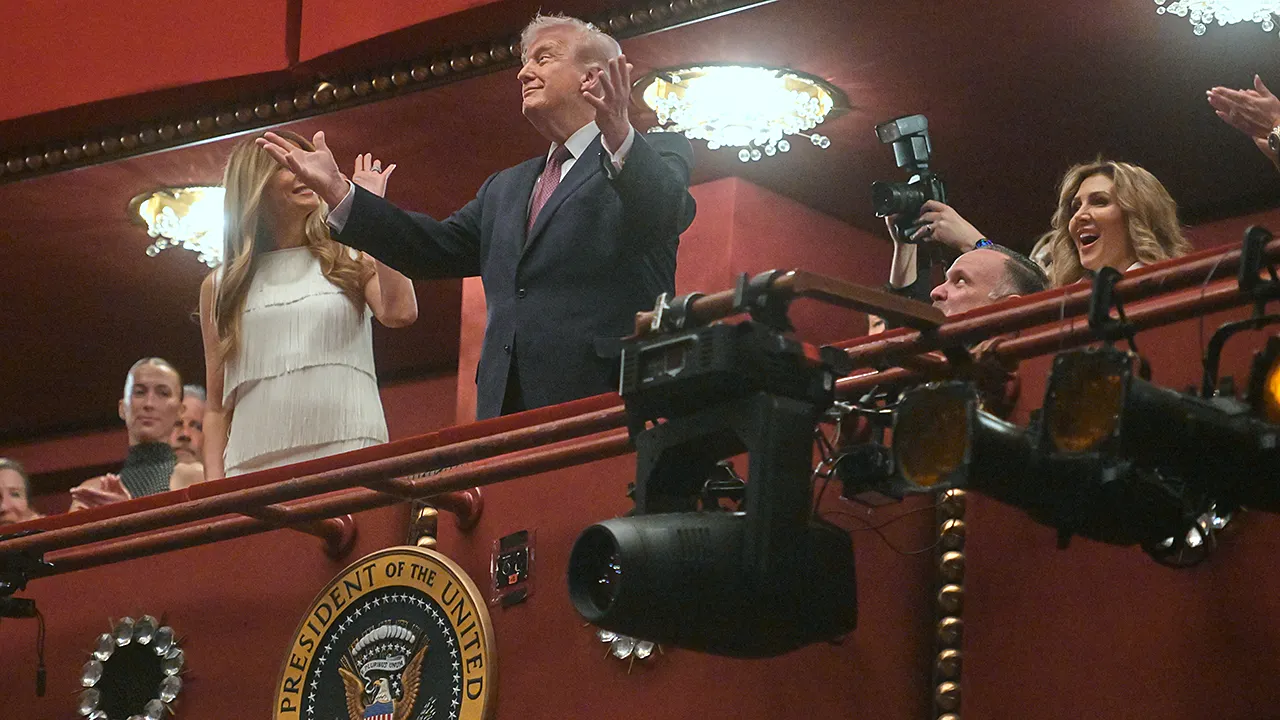
U.S. District Judge Christopher Cooper ordered that President Donald Trump's name be removed from the John F. Kennedy Center for the Performing Arts, finding that the Kennedy Center's organic statute names the venue for President Kennedy and that only Congress may change that name. The ruling requires removal of physical signage and elimination of references to a "Trump-Kennedy Center" from official materials. The decision arose from a lawsuit filed by U.S. Rep. Joyce Beatty, who is an ex officio member of the board. The Kennedy Center board had unanimously voted in December to add Trump's name following actions in February 2025 when Trump was elected chairman of the board after removing 18 trustees appointed by President Joe Biden. The Trump administration had secured $257 million from Congress for Kennedy Center repairs as part of broader legislation; the center's leadership says those funds are needed for an urgent restoration and plans to appeal the court decision. Judge Cooper previously denied a separate request from a preservation group to block a planned two-year closure for rehabilitation. Statements quoted in the article include Beatty characterizing the renaming effort as unlawful and the center's vice president of public relations saying the board will review and appeal the decision. The White House did not immediately comment in the article.
Biblical Reflection
This ruling highlights the interaction of law, stewardship, and public memory. Legally, the judge applied the center's organic statute and reinforced congressional authority over federally created memorials — a reminder that institutional names and public symbols are governed by law and process, not unilateral decisions. From a Christian pastoral perspective, the story surfaces tensions familiar to the gospel: the temptation of personal aggrandizement, the proper use of authority, and the care of shared cultural goods. Christians should note the importance of truth and lawful process here — honoring the rule of law protects common goods and prevents the privatization of public memory. At the same time, compassion is needed for those who will bear the practical burdens of repair and restoration; stewardship requires both fiscal responsibility and humility about legacy. Media framing and quoted language in the piece reflect partisan viewpoints on both sides (praise and denunciation), so readers should separate legal findings from rhetorical characterizations and evaluate claims about motives or intent cautiously. Ultimately, the Christian response is to advocate for faithful stewardship of public institutions, humility in leadership, and lawful, transparent processes when shaping the symbols that represent a people.
Scripture in context
This outlook does not yet include contextual Scripture citations. Do not treat a general biblical theme as an exegetical conclusion.
Faithful Response
No prescribed response is offered. Consider the reflection prompts below in your own church context.
Reflection and Discussion
- 1Does this dispute illustrate respect for the rule of law protecting shared civic memory, or does it reveal how political power can attempt to personalize public institutions?
- 2What assumptions about legacy and honor are at work when leaders rename public memorials, and how should a Christian view efforts to tie cultural institutions to individual reputations?
- 3How can Christians discern between legitimate stewardship (repairs, funding) and symbolic actions that risk turning public goods into personal monuments?
Sources
Reporting links are evidence inputs; Sanctuary News' biblical reflection is commentary.
This outlook currently relies on fewer than two linked sources. Broaden verification before teaching from it.
- 1.Original reportprimary