News Summary
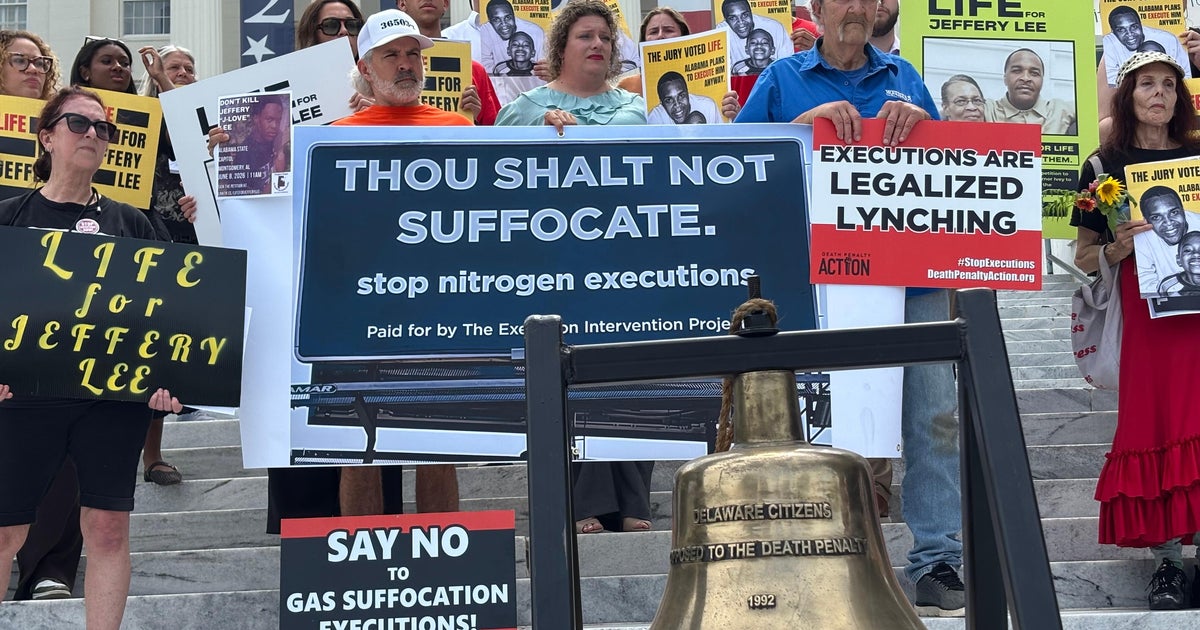
U.S. District Judge Emily Marks permanently barred Alabama from executing death-row inmate Jeffrey Lee using the state's nitrogen hypoxia protocol, ruling it violates the Eighth Amendment's prohibition on cruel and unusual punishment. Lee, convicted in a 1998 double murder and on Alabama's death row for over two decades, had been scheduled to die by nitrogen gas later this week. After an April bench trial—the first to consider the constitutionality of Alabama's nitrogen protocol—experts and witnesses testified that inmates likely experience severe air hunger, emotional distress, and physiological suffering for at least one to three minutes before asphyxiation. The appeals court had earlier reversed an initial finding that the method was constitutional, and Marks's ruling followed that reversal. The judge found Lee met the required burden to show a substantial risk of serious harm and that an alternative method—execution by firing squad—was feasible and would significantly reduce that risk; the judge criticized the state for failing to justify refusal to adopt that alternative. Alabama's attorney general plans to appeal. If allowed, Lee would have been the ninth U.S. execution by nitrogen hypoxia and the eighth in Alabama; Louisiana has conducted one such execution. The constitutionality of the protocol is likely to proceed toward the U.S. Supreme Court, which has not previously declared a method of execution unconstitutional.
Biblical Reflection
This ruling centers squarely on whether the state may carry out punishments in ways that produce significant, avoidable suffering. The court found the nitrogen protocol likely causes acute distress that conflicts with constitutional protections. From a Christian perspective, the decision raises two converging concerns: the pursuit of justice for victims and the moral obligation to preserve human dignity even when the state carries out a lawful punishment. The article reports courtroom findings and legal steps without partisan spin, but it doesn’t deeply explore the perspectives of victims' families or broader ethical debates about the death penalty itself. The legal standard requiring inmates to show a substantial risk and propose an alternative shapes litigation strategy and can obscure deeper questions about whether any state-caused death can be administered without dehumanizing those involved. Christians should notice the competing worldviews at work: a legalistic, procedure-focused state aim to enforce sentences; a utilitarian calculus about minimizing pain; and a biblical ethic that insists on the intrinsic worth of every person. The ruling calls believers to advocate for truth and humane treatment—seeking both justice for the wronged and mercy toward the condemned—while recognizing that lawful processes and constitutional safeguards are essential to avoiding cruelty.
Scripture in context
This outlook does not yet include contextual Scripture citations. Do not treat a general biblical theme as an exegetical conclusion.
Faithful Response
No prescribed response is offered. Consider the reflection prompts below in your own church context.
Reflection and Discussion
- 1How does our instinct for retribution balance against the call to protect human dignity when the state enforces the ultimate punishment?
- 2Are we too quick to accept ‘legal feasibility’ as moral sufficiency when a method risks avoidable suffering?
- 3What assumptions about pain, deterrence, and human worth shape public support for particular execution methods?
Sources
Reporting links are evidence inputs; Sanctuary News' biblical reflection is commentary.
This outlook currently relies on fewer than two linked sources. Broaden verification before teaching from it.
- 1.Original reportprimary