News Summary
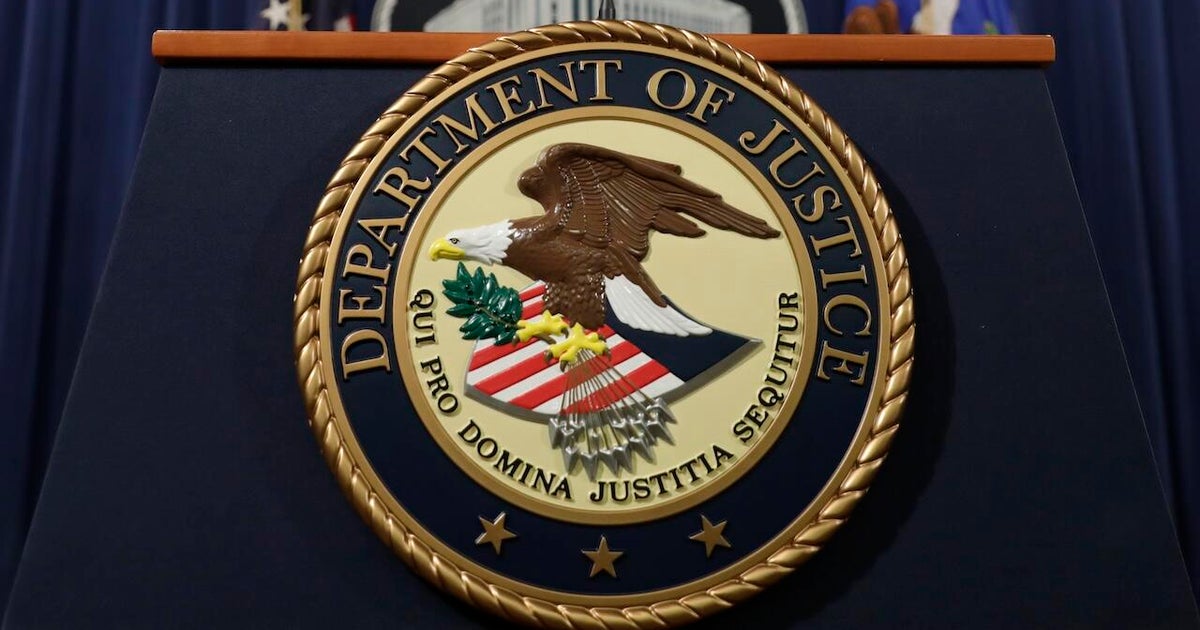
A federal grand jury in Alabama indicted the Southern Poverty Law Center (SPLC) on 11 criminal counts, according to the Justice Department. The charges listed by Acting Attorney General Todd Blanche include six counts of wire fraud, four counts of bank fraud, and one count of conspiracy to commit money laundering. The DOJ alleges the SPLC paid members of extremist groups as part of investigative efforts and accuses the organization of "manufacturing the extremism it purports to oppose by paying sources to stoke racial hatred." An indictment was not immediately available on the federal court database at the time of the report. SPLC interim president and CEO Bryan Fair said the Justice Department is investigating a now-defunct program that used paid confidential informants to infiltrate far-right groups and vowed the organization will defend itself and continue its mission. The article notes prior tensions between the SPLC and allies of former President Trump, including the FBI under Director Kash Patel cutting ties with the center and public criticisms that the SPLC has unfairly targeted conservative or Christian-aligned groups. It also references a draft report and earlier internal FBI review related to an intelligence memo that examined alleged links between racially or ethnically motivated violent extremists and radical Catholic ideology; the internal review found no malicious intent but said standards and evidence were insufficient. The story is reported as a breaking development and may be updated.
Biblical Reflection
From a Christian perspective, this story raises two primary concerns: the pursuit of truth and the protection of justice. The indictment presents allegations; under biblical and legal principles we should remember the presumption of innocence until proven guilty and avoid declaring final judgment before evidence is presented (Deuteronomy 1:16–17 emphasizes fair hearing). If the DOJ’s claims are supported by evidence, the conduct alleged—using deception to inflame hatred—would be a grave moral failure and hypocrisy for an organization devoted to fighting hate. Conversely, if the charges are politically motivated or selective, that too is corrupt and can undermine public trust in institutions. Christians should therefore hold to standards of honesty, accountability, and due process: insist on careful, evidence-based adjudication rather than partisan narratives; resist the impulse to weaponize accusations for political ends; and lament any actions that inflame division or victimize the vulnerable. The broader worldview at play in the reporting includes deep partisan polarization, competing claims about whether institutions have been "weaponized," and the use of charged examples (extremism, faith-based labels) to mobilize constituencies. A biblically informed response is neither reflexive defense nor reflexive condemnation but a sober call for transparency, integrity, and reconciliation where wrongdoing is found.
Scripture in context
This outlook does not yet include contextual Scripture citations. Do not treat a general biblical theme as an exegetical conclusion.
Faithful Response
No prescribed response is offered. Consider the reflection prompts below in your own church context.
Reflection and Discussion
- 1Am I treating the indictment as a final verdict, or am I waiting for evidence and due process before forming a judgment?
- 2How might partisan framing—on both the left and the right—be shaping the way this story is told and received, and what signs should I look for to spot that framing?
- 3What standards of truth and integrity should Christians insist upon for organizations that claim moral authority to speak about hate, justice, and public safety?
Sources
Reporting links are evidence inputs; Sanctuary News' biblical reflection is commentary.
This outlook currently relies on fewer than two linked sources. Broaden verification before teaching from it.
- 1.Original reportprimary