News Summary
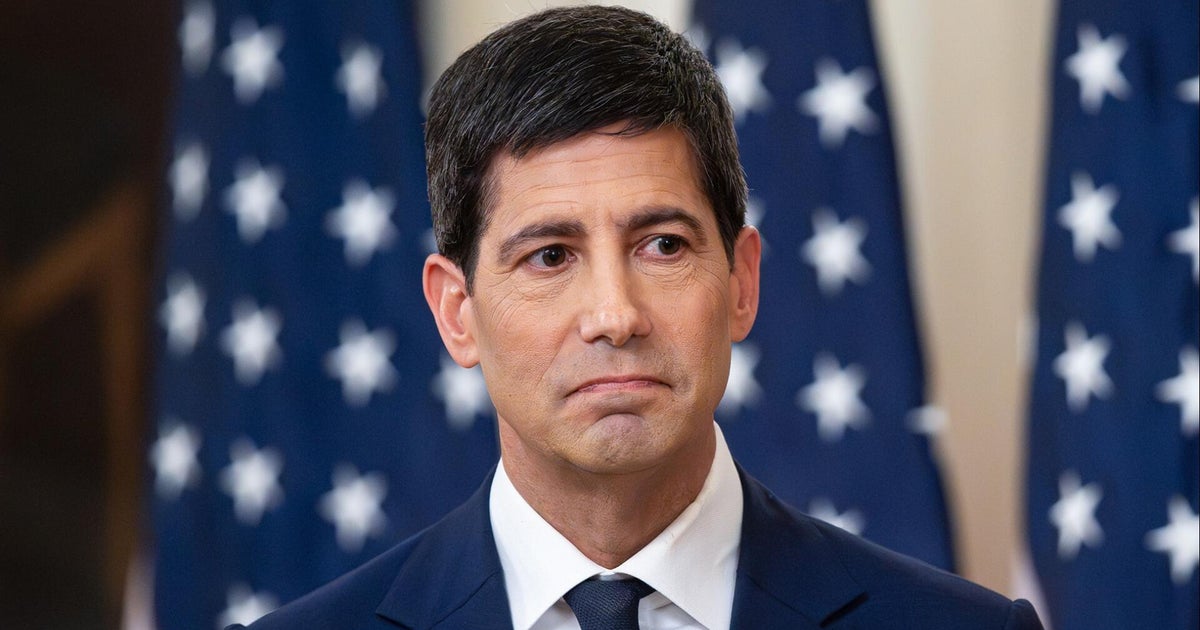
The Federal Open Market Committee left the federal funds rate unchanged at 3.5%–3.75% at its June meeting; the decision was unanimous among voting members. The policy statement removed language signaling an "easing bias" and was shorter than typical statements. The Fed released its Summary of Economic Projections, which showed that nearly half of FOMC members indicated they could support a rate hike later in the year. The SEP raised members' inflation expectations: headline PCE is now projected to reach about 3.6% by year end (up from a March projection of 2.7%), and core inflation excluding energy was projected higher as well. The meeting was the first chaired by Kevin Warsh, and market participants and economists said they will watch his press conference for guidance on the Fed's path. Analysts quoted in the article characterized the Fed's stance as cautious, noting a narrow path for avoiding rate hikes and emphasizing upcoming inflation data.
Biblical Reflection
This report is largely straightforward economic reporting about a central bank decision. The factual elements—rate range, unanimous vote, removal of easing language, Warsh's first meeting, and the revised inflation projections—are presented with quotes from officials and market analysts. The coverage leans on market perspectives and institutional framings that treat inflation targeting and financial stability as primary goods; that is a defensible public-policy posture but is not the only moral lens. From a Christian standpoint, we should notice two things: first, monetary policy affects real people—workers on fixed incomes, savers, renters, and the poor—so technical talk about rates and projections has moral consequences. Second, the emphasis on market confidence and institutional credibility can obscure questions of justice and care for the vulnerable. Christians are called to test facts honestly (truth) and to judge policies by how they protect the weak (mercy and neighbor-love). The article does not claim to address distributional effects, so readers should supplement this information by asking who will be hurt or helped by higher prices or tighter credit, and whether public and private responses protect those at greatest risk. Finally, be wary of subtle political framing: noting Warsh's appointment by the president is relevant, but readers should distinguish commentary about market confidence from evidence that policy choices are partisan. Pray for humility and wisdom among policymakers and for public conversation grounded in both technical competence and compassion.
Scripture in context
This outlook does not yet include contextual Scripture citations. Do not treat a general biblical theme as an exegetical conclusion.
Faithful Response
No prescribed response is offered. Consider the reflection prompts below in your own church context.
Reflection and Discussion
- 1Which groups in society will feel rising inflation or higher interest rates most sharply, and how are their needs being considered in the Fed's communications?
- 2How does focusing on market confidence and technical projections shape public priorities compared with calls for justice and care for the vulnerable?
- 3What assumptions about political independence and expertise underlie reporting on the Fed, and where might those assumptions blind us to moral questions?
Sources
Reporting links are evidence inputs; Sanctuary News' biblical reflection is commentary.
This outlook currently relies on fewer than two linked sources. Broaden verification before teaching from it.
- 1.Original reportprimary