News Summary
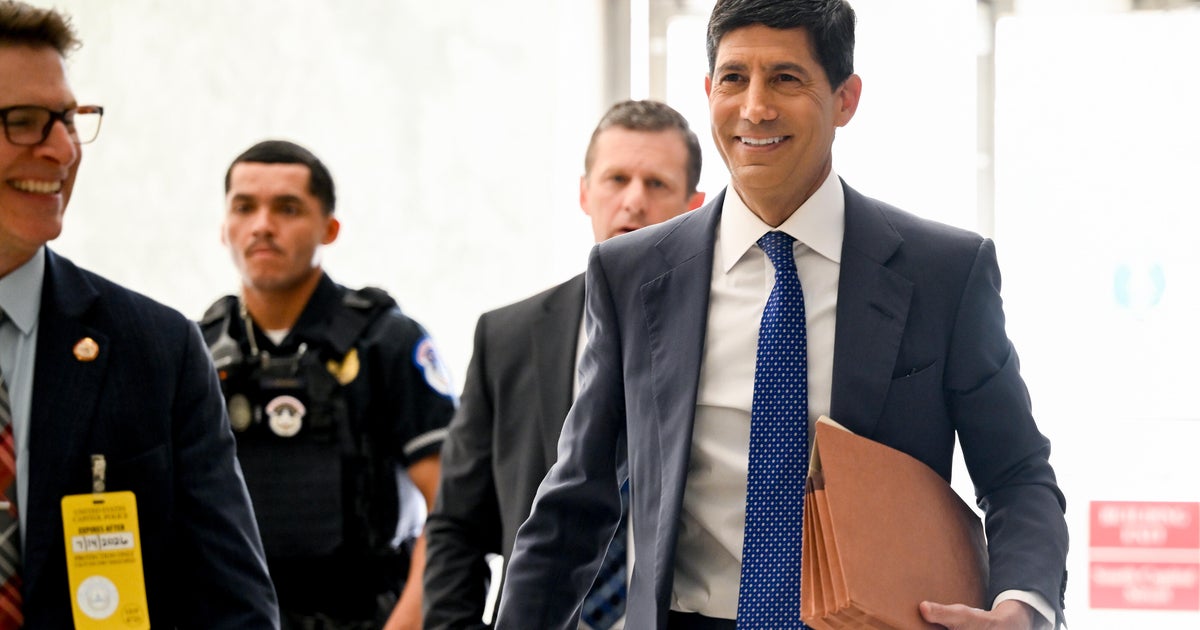
At a House Financial Services Committee hearing on July 14, 2026, Federal Reserve Chair Kevin Warsh testified that the Fed will act to restore price stability, saying members of the Federal Open Market Committee have "no tolerance for persistently elevated inflation" and calling rising prices an "undue burden" on households and businesses. Government data released the same day showed annual inflation (CPI) rose 3.5% in June, down from May but still above the Fed's 2% target. The article attributes a recent spike in prices in part to a global energy shortage tied to the war in Iran and notes May saw the highest inflation in more than three years. The hearing focused on the Fed's Semiannual Monetary Policy Report; lawmakers were expected to question the Fed's approach to inflation and to potential interest-rate cuts. At the previous FOMC meeting, nearly half of policymakers had projected support for raising rates later in 2026, but the cooler June CPI reading increased the likelihood that the Fed will hold rates steady at its next meeting; the CME Group FedWatch tool showed an 86% probability of no rate change following the CPI release.
Biblical Reflection
This article is a straightforward news report about a central-bank leader reaffirming the Fed’s commitment to fighting inflation. It accurately reports statements, recent CPI data, and short-term market expectations without obvious editorializing. The underlying worldview is technocratic and policy-focused: it treats price stability as a primary public good and presents the Fed as the responsible steward tasked with balancing inflation, growth, and employment. That framing is largely truthful but incomplete for moral reflection—it emphasizes institutional competence and diagnostics more than the human costs and distributional effects of both inflation and the remedies (such as higher interest rates, which can slow hiring and increase borrowing costs). From a Christian vantage point, truth and humility matter: praise for responsible stewardship is warranted, but we should also ask whether policy choices adequately protect the most vulnerable—those for whom rising grocery, rent, and energy costs most quickly erode dignity and stability. Christians should neither succumb to technocratic idolatry (trusting policy experts as if they are ultimate saviors) nor reflexively oppose difficult policy tools; instead, we pray for wise, humble leadership and advocate policies that pair macroeconomic stewardship with concrete care for neighbors who suffer most from economic dislocation.
Scripture in context
This outlook does not yet include contextual Scripture citations. Do not treat a general biblical theme as an exegetical conclusion.
Faithful Response
No prescribed response is offered. Consider the reflection prompts below in your own church context.
Reflection and Discussion
- 1Who bears the greatest burden when prices rise or when tight monetary policy slows the economy, and are their voices being heard?
- 2Does the coverage assume that restoring price stability is primarily a technical task—how does that assumption shape what problems get attention or solutions proposed?
- 3How should Christians balance trust in expert stewardship with calls to care for the poor and preserve human dignity during economic adjustment?
Sources
Reporting links are evidence inputs; Sanctuary News' biblical reflection is commentary.
This outlook currently relies on fewer than two linked sources. Broaden verification before teaching from it.
- 1.Original reportprimary