News Summary
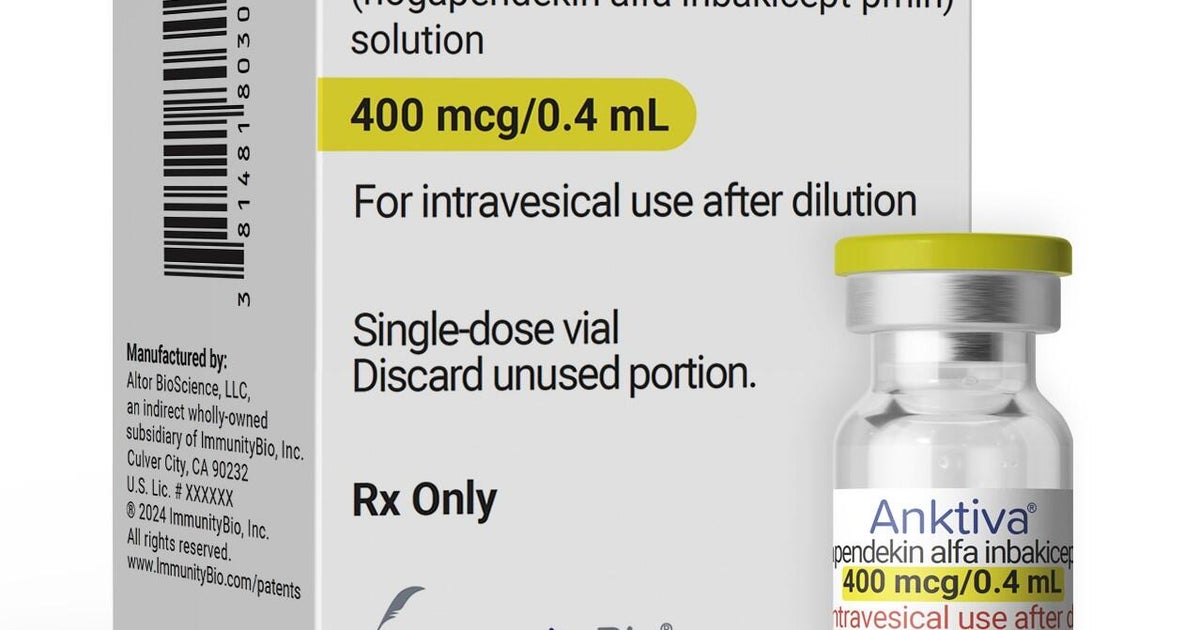
The U.S. Food and Drug Administration posted a warning letter to ImmunityBio on March 25, 2026, stating that a television advertisement and a podcast appearance featuring Dr. Patrick Soon-Shiong made false or misleading claims about the company’s drug Anktiva. The FDA said the ad and podcast created the impression that Anktiva can treat, cure, or prevent many types of cancer and referred to the product as a “cancer vaccine,” statements the agency called unapproved and unsupported. Regulators also noted the podcast did not present required risk information about side effects (including urinary tract infections, pain, chills and fever). The warning letter, addressed to ImmunityBio CEO Richard Adcock, gave the company 15 days to correct the issues and respond. After the letter went online, ImmunityBio shares fell more than 21% in trading and a link to the podcast was removed from the company website. Anktiva was approved by the FDA in 2024 for a difficult-to-treat form of bladder cancer; ImmunityBio has been pursuing expanded approvals for other cancers. ImmunityBio said it takes the warning seriously and intends to work with the agency.
Biblical Reflection
From a Christian ethical perspective, the core issues are truthfulness, protection of the vulnerable, and responsible stewardship. Public claims that overstate a treatment’s proven benefits can generate false hope among patients and families who are already vulnerable—this is morally problematic. The FDA’s action fits a biblical concern to protect the weak and to hold leaders accountable for truthful speech (see Proverbs and Ephesians on truth-telling). At the same time, it is appropriate to distinguish legitimate enthusiasm for scientific progress from exploitive overstatement: hope in medical advances is not wrong, but claiming cures or preventive power without regulatory approval and clear evidence is irresponsible. The article reports regulatory facts and company responses; it also highlights Soon-Shiong’s wealth and media ownership, which can invite readers to infer motive. Christians should note that emphasizing a person’s wealth can be relevant to questions of influence and conflict of interest, but it should not substitute for careful evaluation of evidence. Overall, the FDA’s corrective role serves public welfare by requiring balanced presentations of benefits and risks; believers are called both to welcome genuine medical breakthroughs and to insist on honesty and protection for those in need.
Scripture in context
This outlook does not yet include contextual Scripture citations. Do not treat a general biblical theme as an exegetical conclusion.
Faithful Response
No prescribed response is offered. Consider the reflection prompts below in your own church context.
Reflection and Discussion
- 1What specific clinical evidence and regulatory approvals support the claims being made about a medical product, and how does the article present that evidence?
- 2How does repeated emphasis on an individual’s wealth or media ownership shape our perception of their statements, and are we allowing that emphasis to substitute for evidence?
- 3In what ways does urgent hope for cures create both a legitimate desire for advancement and a temptation to accept or amplify overstated claims?
Sources
Reporting links are evidence inputs; Sanctuary News' biblical reflection is commentary.
This outlook currently relies on fewer than two linked sources. Broaden verification before teaching from it.
- 1.Original reportprimary