News Summary
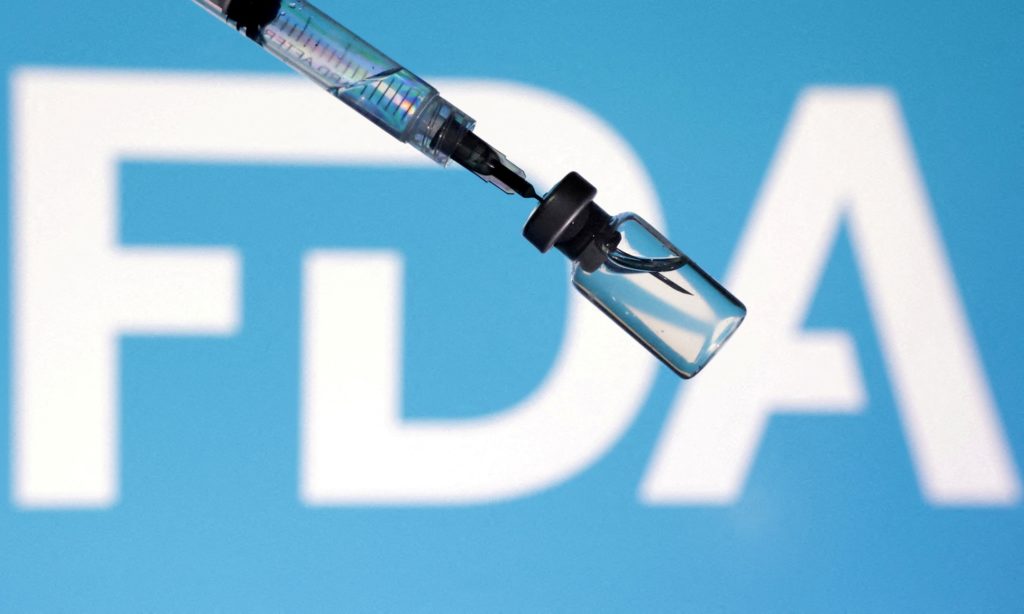
Reported facts: An FDA advisory committee began a two-day meeting to consider lifting a ban and widening access to seven peptides. PBS reported a surge of support from wellness influencers and references support from Health Secretary Robert F. Kennedy Jr. The PBS segment included a discussion with Dr. Dhruv Khullar, author of a New Yorker article on people self-injecting peptides. Attributed claims and uncertainty: The article attributes increased public interest and influential advocacy but does not provide details on which peptides, the scientific evidence for safety or efficacy, the FDA staff analysis, or public-health assessments; those remain unspecified in the report.
Source and Framing Analysis
The PBS report is brief and focuses on the regulatory question and the cultural trend of peptide use. Material uncertainties that affect the story include: the identities and regulatory classification of the seven peptides, the clinical evidence for benefit and harm, the specific nature of endorsements by influencers or public officials, and the FDA advisory committee's internal analyses. The piece frames peptides as a growing wellness phenomenon but does not present primary FDA documents or peer-reviewed evidence, so readers should treat claims about safety, prevalence, or policy impacts as provisional.
Biblical Reflection
This story sits where public health, consumer desire, and regulatory responsibility meet. The Bible calls Christians to love neighbors practically; when medical trends arise we should prioritize the welfare of those who are most likely to be harmed—people with chronic illness, the elderly, and those lacking medical counsel. That posture argues for careful evaluation of safety data, transparent regulatory processes, and resistance to marketing that plays on hope or fear.
The involvement of influencers and public figures highlights how authority is perceived in our culture. Christians should practice humility and discernment: celebrity endorsement is not equivalent to scientific validation. At the same time, we should be compassionate toward those seeking help for real ailments and advocate for accessible, evidence-based care rather than unregulated shortcuts.
Practical Christian virtues for this moment include truth-seeking (test claims against reliable evidence), mercy (attend to those harmed or tempted by unproven treatments), and peacemaking (engage debates calmly and respectfully). Hold institutions like the FDA accountable, but also guard against cynicism that dismisses legitimate expertise and public safety concerns. Encourage policies that balance access with safeguards—so that innovation does not outpace ethical responsibility.
Scripture in context
- 1Philippians 2:3-4 — Paul writes to the Philippian church urging humility, selflessness, and a concern for others' interests in the face of internal rivalry and external pressures. — The passage instructs Christians to evaluate motives and to prioritize the welfare of neighbors; applied here, it calls for humility in health advocacy, questioning self-interested promotion of treatments, and centering protection of vulnerable people when considering wider access to medical products.
- 2James 1:5 — James encourages believers facing trials to seek wisdom from God, who gives generously to all without reproach; the teaching addresses how to respond to uncertainty and decision-making under pressure. — This text supports seeking wise counsel and careful deliberation when faced with complex medical and regulatory choices; Christians should pray for discernment and consult credible experts rather than rely solely on popular or anecdotal sources.
Faithful Response
Pray for discernment and for public officials and scientists involved in the decision-making process.
Seek and share information from reputable medical sources (peer-reviewed studies, FDA statements, professional medical societies) before adopting or promoting a treatment.
Care for those influenced by wellness trends with compassion—listen to their needs, encourage medical consultation, and help connect them to qualified clinicians.
Avoid amplifying unverified treatments on social platforms; model humility and evidence-based speech in conversations about health.
Reflection and Discussion
- 1When a medical product is promoted by trusted personalities, how do we test the claim against Christlike priorities of truth and neighbor care?
- 2How should Christian communities respond when members pursue unproven treatments out of desperation or distrust of institutions?
- 3What practices within our church help guard against undue influence from cultural trends while still offering pastoral compassion?
Sources
Reporting links are evidence inputs; Sanctuary News' biblical reflection is commentary.
This outlook currently relies on fewer than two linked sources. Broaden verification before teaching from it.
- 1.FDA considers widening access to peptides promoted by wellness influencersprimary_reporting