News Summary
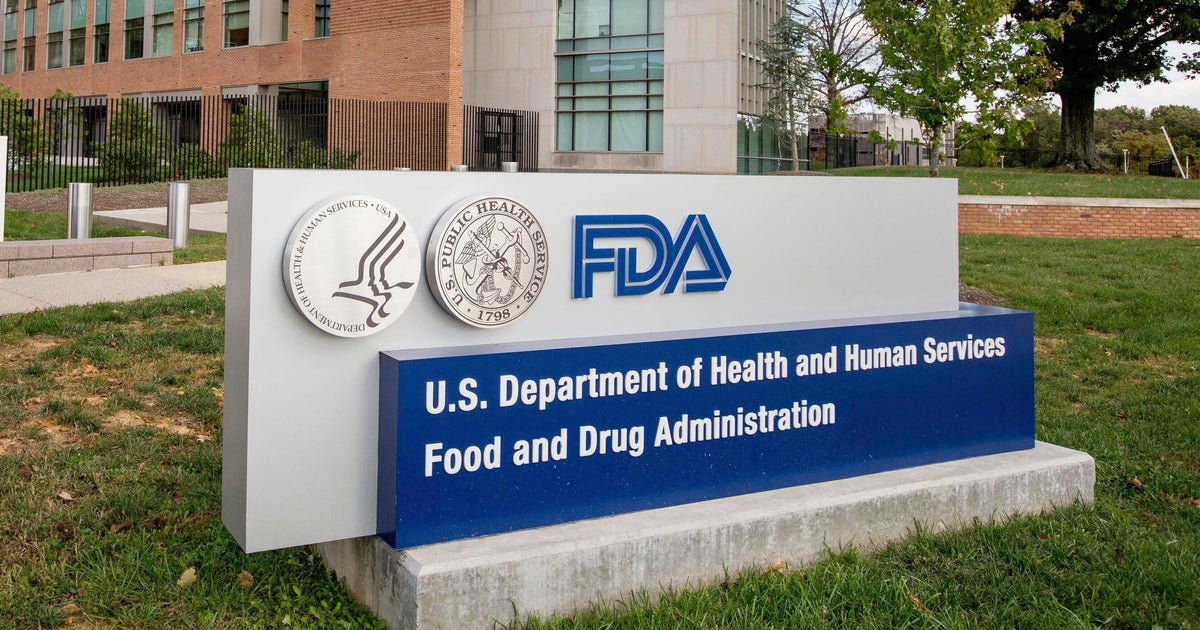
The FDA has authorized expanded access (compassionate use) to daraxonrasib, an investigational oral medication developed by Revolution Medicine, for patients with previously treated metastatic pancreatic ductal adenocarcinoma who have no other treatment options. Daraxonrasib is taken three times daily and targets a signaling pathway that promotes cancer cell growth. Company-reported clinical trial results cited by the article indicate a median survival of 13 months for patients taking the drug versus about six months for similar patients receiving chemotherapy. Former Senator Ben Sasse, a stage-four pancreatic cancer patient, described a large reduction in his tumor volume and reduced pain after taking the drug. Revolution Medicine requested expanded access on April 28, 2026; the FDA approved the protocol on April 30, 2026. FDA Commissioner Marty Makary commented that the timeline reflects the agency’s commitment to facilitate early access for serious conditions. The article also cites National Cancer Institute 2026 estimates of 67,530 new pancreatic cancer cases and 52,740 deaths, and states a five-year survival rate of approximately 13.7% overall.
Biblical Reflection
From a Christian perspective, this report points toward legitimate reasons for hope: medical research and regulators are working to widen access to potentially life‑extending treatments for people facing terminal illness. Scripture affirms both God’s sovereignty over life and the goodness of human means that relieve suffering (e.g., skilled caregivers, wise use of medicine). At the same time, the article relies on limited public data and a prominent patient testimony; the narrative leans optimistic and uses emotionally powerful language (e.g., “miracle drug”) that can overstate certainty. Christians should welcome expanded access that shows compassion for the terminally ill, while also exercising discernment about anecdote versus robust evidence. Ethically, we should ask whether access is equitable, whether patients receive clear information about risks and benefits, and whether hope is framed honestly. Practically, faith calls us to pray for patients and clinicians, advocate for just access to care, and steward medical advances responsibly—recognizing both the gift of scientific progress and our ultimate dependence on God for life and healing.
Scripture in context
This outlook does not yet include contextual Scripture citations. Do not treat a general biblical theme as an exegetical conclusion.
Faithful Response
No prescribed response is offered. Consider the reflection prompts below in your own church context.
Reflection and Discussion
- 1Does the story distinguish clearly between promising early results and established, reproducible evidence — and how should that affect our hope and advocacy?
- 2Whose voices are centered (companies and a high-profile patient) and whose might be missing (other trial participants, independent experts, or patients without access)?
- 3How can Christians hold both trust in God and responsible support for medical care, especially when regulators provide conditional or compassionate access?
Sources
Reporting links are evidence inputs; Sanctuary News' biblical reflection is commentary.
This outlook currently relies on fewer than two linked sources. Broaden verification before teaching from it.
- 1.Original reportprimary