News Summary
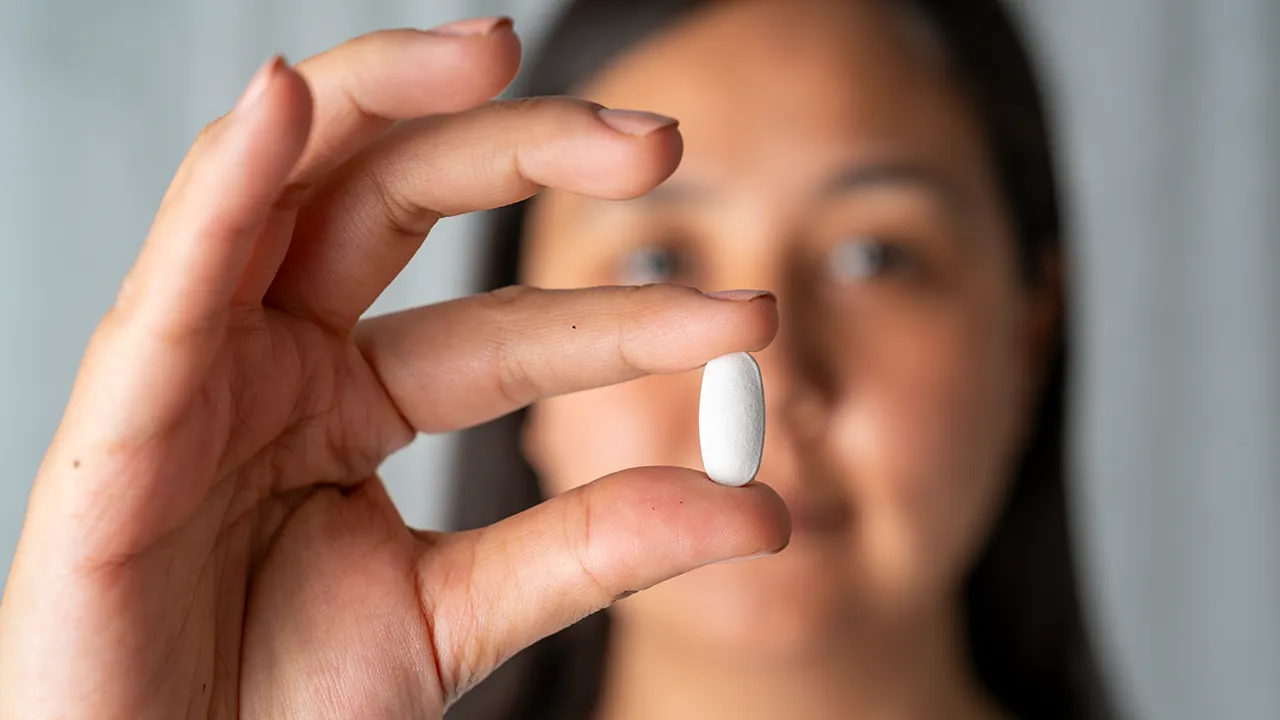
The U.S. Food and Drug Administration approved Foundayo (orforglipron), an oral once-daily GLP-1 medication developed by Eli Lilly for chronic weight management in adults who are overweight or obese with weight-related medical problems. Clinical-trial results cited by Lilly showed participants on the highest dose lost an average of 27.3 pounds (12.4%). Lilly says Foundayo can be taken at any time of day without food or water restrictions and that best results occur when the medication is combined with a reduced-calorie diet and increased physical activity. Foundayo is Lilly’s second FDA-approved obesity medicine, joining Zepbound (tirzepatide). The company plans to begin shipping the drug on April 6, 2026. Lilly and clinical partners note ongoing studies of Foundayo for conditions including type 2 diabetes, obstructive sleep apnea, osteoarthritis, hypertension and other weight-related complications. Warnings provided by the manufacturer include potential thyroid tumors (including thyroid cancer) and common gastrointestinal side effects (nausea, constipation, diarrhea, vomiting, indigestion, stomach pain, headache, bloating, fatigue, belching, heartburn, gas, hair loss). Lilly advises patients to consult healthcare providers about other medications and family medical history, does not recommend combining Foundayo with other GLP-1 drugs, and states safety in children is unclear.
Biblical Reflection
From a Christian perspective, medical advances like Foundayo can be an expression of human creativity and compassion—tools to relieve suffering and improve quality of life. Scripture affirms responsible care for our bodies (e.g., 1 Corinthians 6:19–20) and calls for wisdom in decision-making. At the same time, the article’s framing centers effectiveness, convenience, and market availability; it largely relays manufacturer claims and trial averages without independent long-term data. Christians should note three practical concerns: (1) Prudence with novelty — new drugs may offer benefits but also have unknown long-term risks; the manufacturer’s thyroid-tumor warning and GI side effects warrant careful evaluation rather than uncritical acceptance. (2) The cultural narrative about weight and quick solutions — there is a risk of reducing complex medical, psychological, and social factors to a pill, which can shift responsibility away from broader stewardship (nutrition, activity, access to care, mental health support). (3) Justice and stewardship — statements about limited current access to GLP-1s raise ethical questions about affordability, prioritization of resources, and how marketing and commercialization shape who benefits. Biblically faithful response combines gratitude for medical progress with sober discernment: consult qualified clinicians, weigh risks and benefits, avoid elevating pharmacological fixes above holistic care, and advocate for equitable access for those in medical need.
Scripture in context
This outlook does not yet include contextual Scripture citations. Do not treat a general biblical theme as an exegetical conclusion.
Faithful Response
No prescribed response is offered. Consider the reflection prompts below in your own church context.
Reflection and Discussion
- 1Does the article prioritize manufacturer claims and convenience over long-term safety data and independent evaluation?
- 2How might cultural pressure for rapid weight loss shape demand for a pill, and does that distract from holistic care (nutrition, activity, mental health, and structural access to care)?
- 3Who benefits from widespread use of new obesity drugs, and are issues of affordability and equitable access being addressed alongside marketing and rollout?
Sources
Reporting links are evidence inputs; Sanctuary News' biblical reflection is commentary.
This outlook currently relies on fewer than two linked sources. Broaden verification before teaching from it.
- 1.Original reportprimary